Gates Warns UN: AI Catastrophe Needed for Global Rules
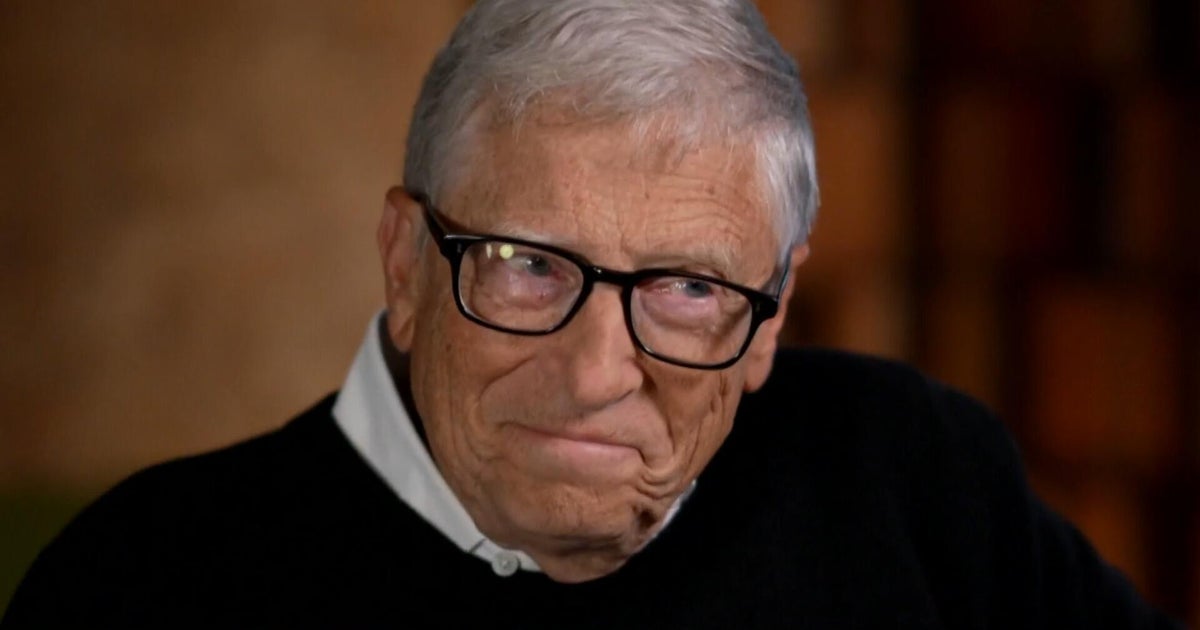
Bill Gates’s stark warning at the UN General Assembly—that an AI-driven “catastrophe” may be required to catalyze global regulation—reframes the AI safety debate from a technical problem to a geopolitical inevitability. This deliberate intervention on a world stage elevates the discourse beyond the typical Silicon Valley-Brussels axis, directly challenging the UN to establish a framework before a major AI-related security or economic crisis unfolds. It positions the Gates Foundation, not just Microsoft, as a key diplomatic player, shifting the Overton window on what constitutes a valid AI threat and forcing nations to consider it a matter of national security on par with climate change or pandemics. The strategic timing of this pronouncement fundamentally alters the risk calculus for nations and corporations. For tech giants like Google and Meta, Gates’s framing provides top-down pressure to justify their safety protocols, potentially forcing disclosures that could expose competitive vulnerabilities. For nations in the Global South, this is a call to action, offering a chance to shape nascent governance frameworks rather than simply inheriting standards set by the US, EU, and China. An AI “disaster” would likely hit less-resilient economies hardest, creating an asymmetric advantage for developing nations to demand a more equitable governance model now, before the rules are solidified and the damage is done. Looking ahead, the critical variable is whether the UN can translate this high-profile warning into a concrete institutional mechanism, such as a dedicated AI agency akin to the IAEA for nuclear energy. In the next 3-6 months, watch for the formation of a UN-backed multi-stakeholder working group; without it, Gates’s gambit will have failed. This trajectory suggests that by late 2025, we will either have the foundations of a globally legitimate AI regulatory body or a splintered landscape of competing, and likely conflicting, national AI policies. The real test will be whether sovereign states will cede any authority over this critical technology before a crisis forces their hand.