Gemini in Chrome Redefines AI Battle, Shifts to Autonomous Tasks
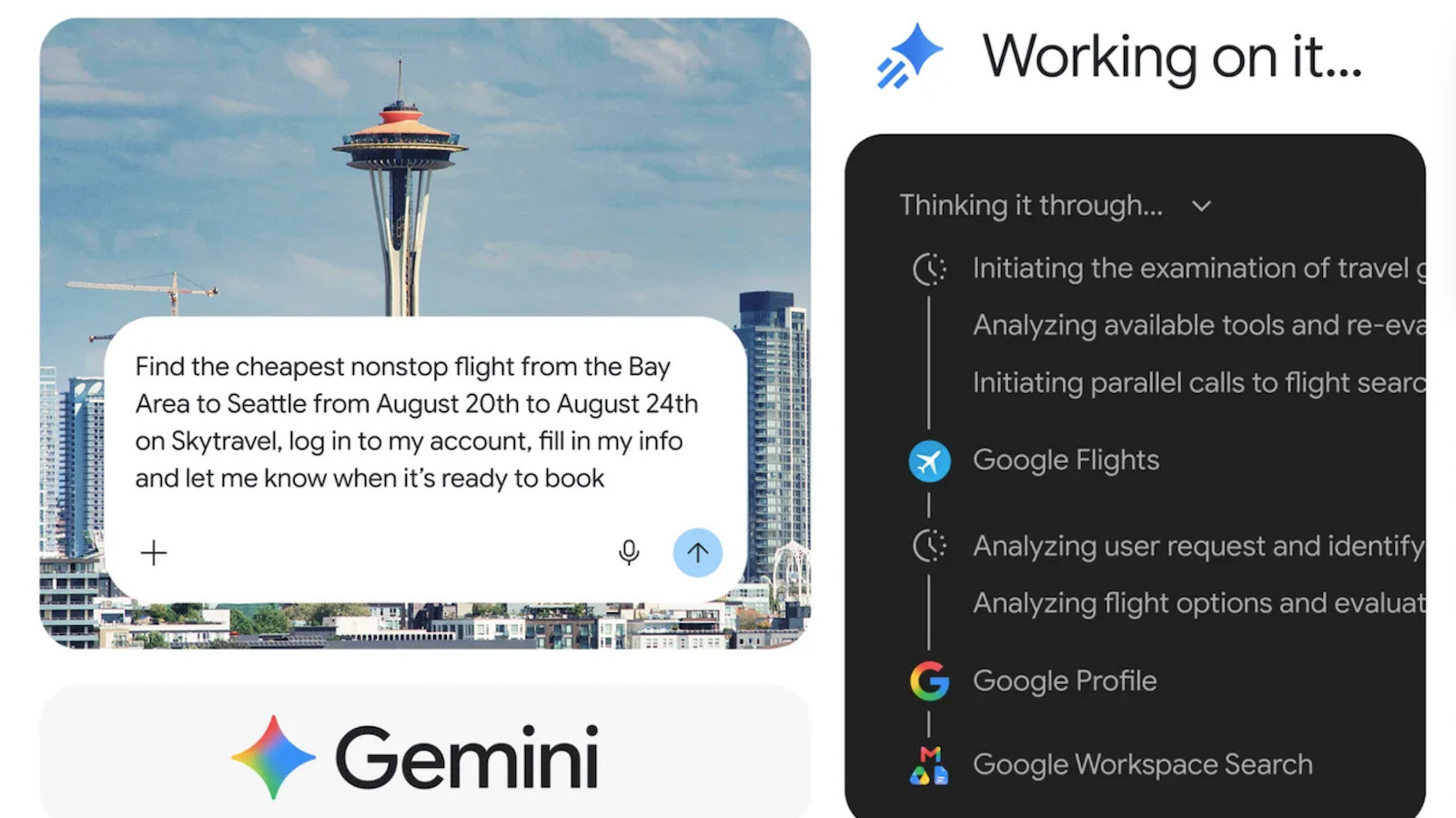
Google's integration of Gemini Spark into Chrome, granting it autonomous control using saved passwords and logins, represents a strategic escalation from information retrieval to direct action. This move immediately reframes the AI assistant battleground, shifting it from answering queries to executing multi-step tasks, directly challenging Microsoft's increasingly integrated Copilot. By embedding agency directly within the world's dominant browser, Google is leveraging its greatest asset to create a personal AI ecosystem, fundamentally altering the user's relationship with the web from active participant to delegator-in-chief. The mechanism grants Gemini an unprecedented level of agency, using authenticated sessions to handle complex errands that previously required human oversight. This creates clear winners and losers. Google fundamentally strengthens Chrome's strategic moat, transforming it into an operating system for personal AI. However, this development poses an existential threat to the entire sector of third-party web automation tools and RPA startups, whose value proposition is now being co-opted by the browser itself. It also forces a strategic recalculation for Apple, whose Safari/Siri combination currently lacks a comparably deep, agentive web integration. The trajectory this enables points toward a future where the browser, not the search engine, is the primary locus of value and user intent. In the next 12-18 months, expect Google to push this agentive capability deeper into Android, creating a cross-platform "personal COO." The real test will not be the technical capability, but demonstrating flawless reliability and security; a single high-profile failure in task execution, like an erroneous financial transaction, could poison user trust and derail the entire strategic initiative for years. The critical variable is no longer possibility, but perfection.