Germany Bets on NVIDIA to Reshape its Industrial Core, Sidestepping EU AI Regulation
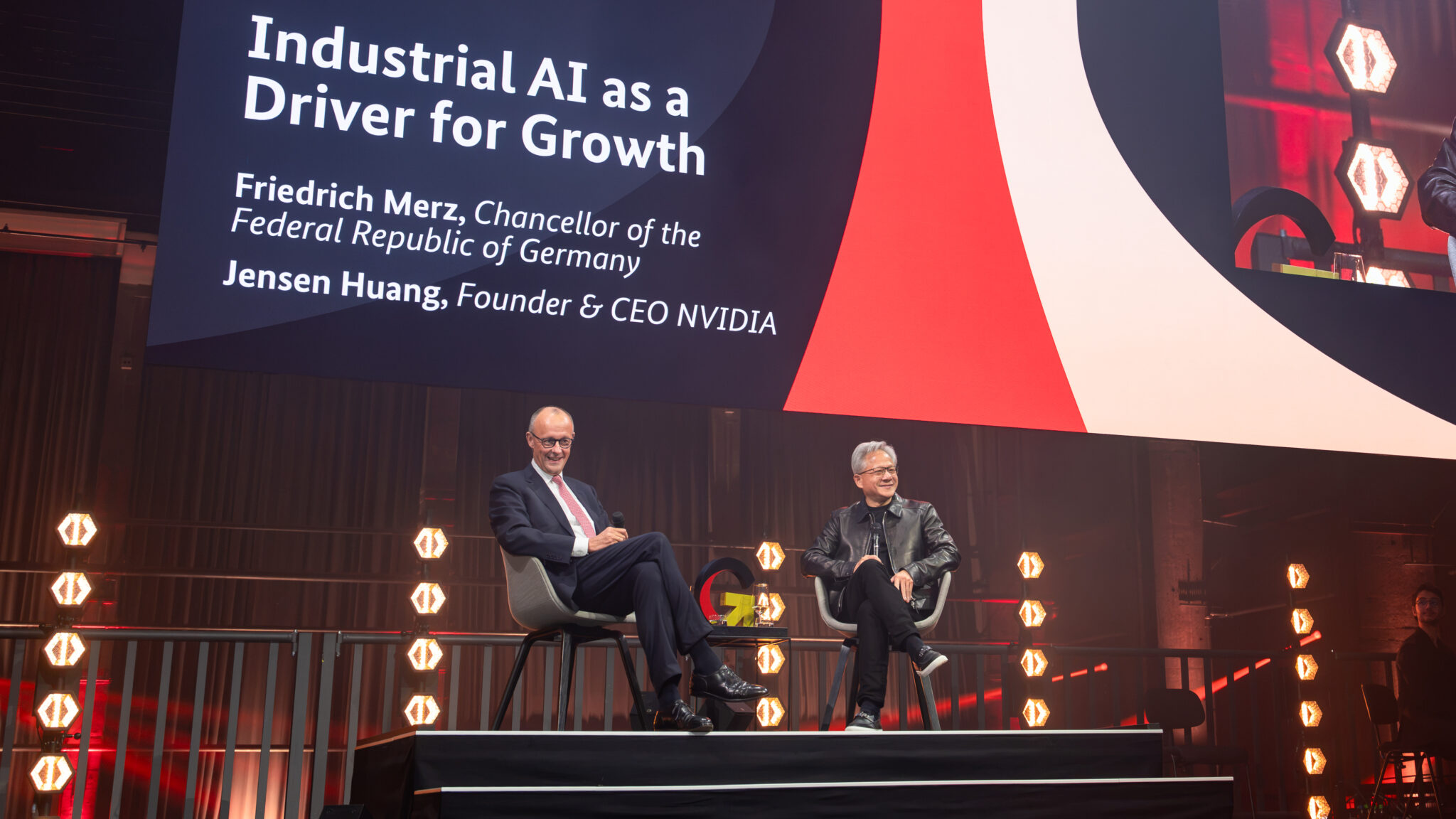
Germany is publicly aligning its national AI strategy with NVIDIA's full-stack hardware and software ecosystem, a move aimed at preserving the global competitiveness of its vaunted Mittelstand industrial base. Coming just weeks after the EU AI Act passed, this strategic partnership signals Germany's intent to prioritize industrial application and performance over the EU's broader, more cautious regulatory framework. By embedding NVIDIA's toolchains deep within its manufacturing sector, Germany is betting that specialized, high-performance AI is the only viable defense against erosion from both US-based hyperscalers and agile manufacturing rivals in Asia.
The partnership fundamentally alters the competitive landscape for industrial software and automation. Legacy players like Siemens and Bosch, who have their own proprietary platforms, now face a strategic imperative to either deepen their integration with NVIDIA's stack or risk their ecosystems becoming walled gardens with inferior performance. This move effectively designates NVIDIA's CUDA and Omniverse platforms as the de facto standard for German industrial AI, creating an asymmetric advantage for companies that adopt it and forcing a painful recalculation for those invested in alternative architectures. The immediate winners are German automotive and robotics firms, who gain a direct pipeline to state-of-the-art simulation and AI model development.
Looking forward, this alliance positions NVIDIA as a quasi-infrastructural utility within Germany's most critical economic sector, potentially complicating the enforcement of pan-EU regulations. The critical variable will be whether this de facto national standard accelerates innovation enough to offset the risks of vendor lock-in and dependency on a single, US-based technology provider. Watch for Germany to lobby for specific exemptions or "sandboxes" related to industrial AI within the EU's regulatory structure within the next 12-18 months, creating a precedent for other specialized economies. This trajectory suggests a future where national industrial policy overrides broad-based technology regulation.