Google's Education AI Push Challenges Microsoft Dominance
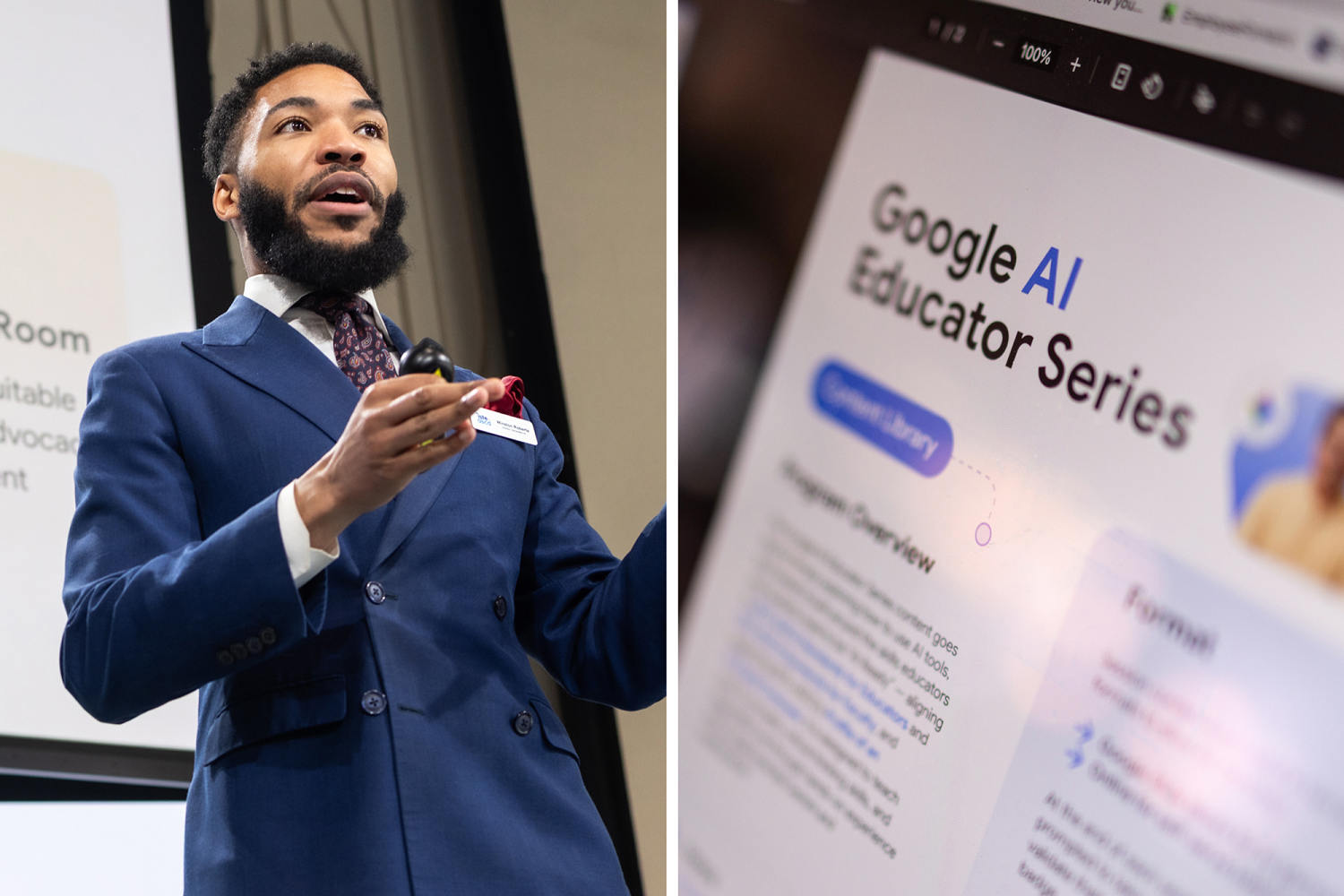
In a strategic move to entrench its ecosystem within the education sector, Google initiated a high-touch training program for 70 educators on its AI tools. This isn't just about product adoption; it's a preemptive strike in the platform wars, aimed squarely at countering the influence of Microsoft's OpenAI-powered tools in schools. As districts face pressure to modernize, Google is positioning its Workspace and Chromebook platforms as the default infrastructure for the AI-native classroom, attempting to secure the loyalty of the next generation of users before they even enter the workforce, a critical defense as competition for foundational software intensifies. The program employs a classic "train-the-trainer" evangelism model, transforming influential teachers into internal champions capable of persuading skeptical colleagues and navigating district bureaucracy. This fundamentally alters the adoption dynamic from a top-down sales push to grassroots advocacy. The primary winners are Google, which achieves deep market penetration at a relatively low cost, and the selected educators who receive elite training. The losers are competitors—from Microsoft to smaller EdTech startups—who now face a landscape where institutional trust and peer-to-peer influence, not just features, are the currency of market access, forcing a strategic recalculation for all. The forward-looking implication is a shift in competitive tactics from product features to large-scale ecosystem evangelism. In the next 12-18 months, expect Microsoft to launch its own high-profile educator immersion programs to counter Google's narrative. The real test for Google will be converting this soft power into hard revenue through premium AI-enabled Workspace subscriptions at the district level. The critical variable is whether these teacher-advocates can successfully lobby for budget allocation, turning their newfound expertise into institutional policy and securing Google’s educational dominance for the next decade.