Android CLI Positions Google's OS for Agentic AI Dominance
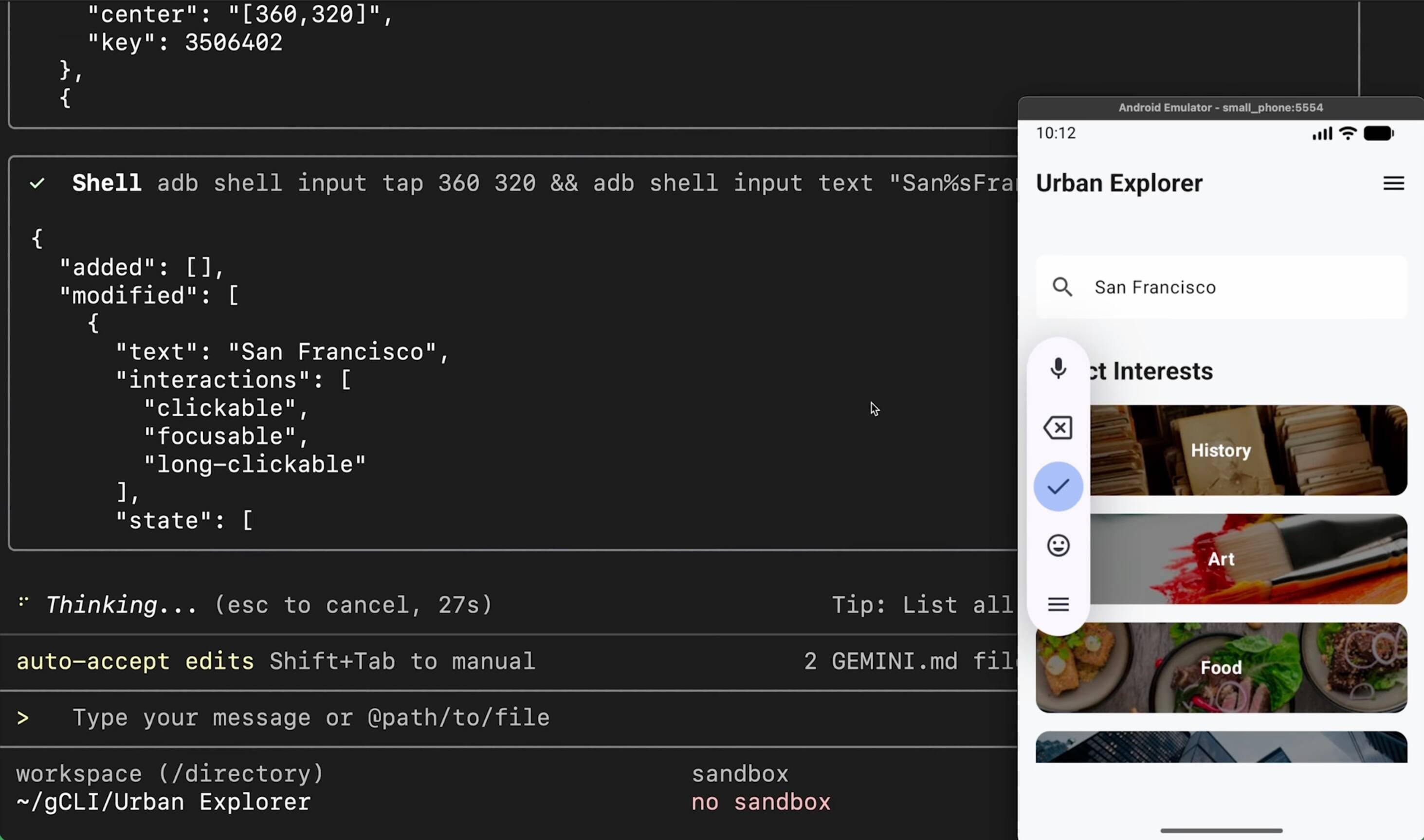
Google's release of a command-line interface (CLI) for Android, built specifically for AI agents, is a foundational move to cement Android as the dominant OS for the emerging agentic AI era. This isn't merely a developer tool; it's a strategic play to shift the mobile interaction paradigm from human-centric graphical interfaces (GUIs) to machine-to-machine communication. By creating a direct, low-level control plane, Google is positioning Android as the native environment for autonomous agents, a direct threat to startups like Adept and Rabbit building abstraction layers or separate hardware on top of existing platforms. This new CLI fundamentally alters the economics of deploying on-device AI agents by providing a vastly more efficient interaction method than parsing on-screen pixels. The claimed 70% reduction in token usage and 3x speed improvement makes scalable mobile agent execution economically viable. The primary winners are Google, which reinforces its platform moat, and AI developers, who gain a high-performance, low-cost path to building powerful mobile agents. The clear losers are companies banking on agent-specific hardware or software overlays, whose core value proposition of navigating GUIs is now directly threatened by a more efficient, native solution. The trajectory this enables is a move away from the app-centric model toward an intent-centric one, where users issue commands to agents that operate across the OS, diminishing the value of the home screen and app stores. Within 12-18 months, expect third-party agent frameworks to standardize on this CLI. The critical variable will be Apple's response; the announcement of a similar "CoreAgent" framework for iOS at a future WWDC would validate this as the new frontier of platform competition. Google is laying the plumbing to transform billions of phones into a distributed agent network, securing its relevance for the next decade.