Google Backs Nvidia Rubin Chips to Challenge AWS and Azure Dominance
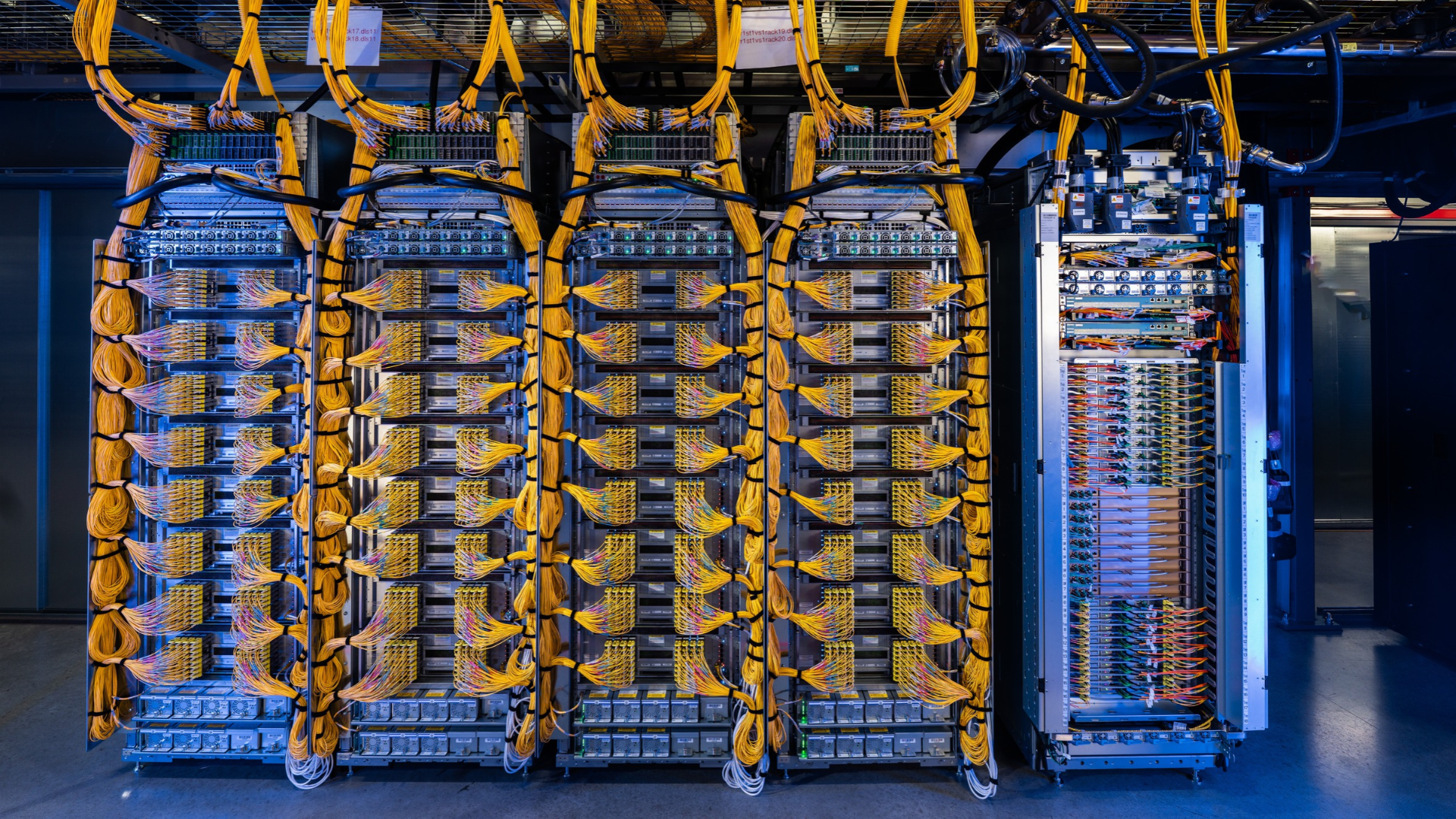
Google Cloud's aggressive deployment of NVIDIA's Vera Rubin architecture via A5X instances fundamentally accelerates the timeline for next-generation AI infrastructure commoditization. By integrating Rubin NVL72 racks with Google's proprietary Virgo networking and 4th-generation liquid cooling, Google signals a definitive shift from generic compute hosting to deeply co-engineered AI factories. This preempts AWS and Azure in the race for post-Blackwell dominance, establishing a formidable new baseline specifically tuned for the extreme demands of autonomous agent training and self-improving models. The architectural synergy between NVIDIA's ConnectX-9 SuperNICs and Google's fabric effectively eliminates the traditional data center east-west traffic bottleneck. This integration disproportionately benefits well-capitalized foundational model builders, allowing them to achieve near-linear scaling previously reserved for bespoke, physically contiguous supercomputers. Consequently, regional and second-tier cloud providers face an existential capex gap. They are entirely unable to match the localized thermal management and custom networking co-design required to operate Rubin-class hardware at commercially viable utility rates. As these advanced instances expand into Europe, sovereign AI initiatives will face intense pressure to abandon localized, fragmented infrastructure in favor of hyperscaler efficiency. Over the next 12 months, expect the cost of frontier model execution to plummet, shifting the industry's economic bottleneck from raw compute access to high-quality proprietary data acquisition. The real test will be whether Google's cooling infrastructure can maintain peak teraflops under sustained workloads without thermal throttling—a critical variable determining enterprise adoption through 2026.