Google's Spark AI Agent Automates Complex Tasks, Escalating On-Device Competition
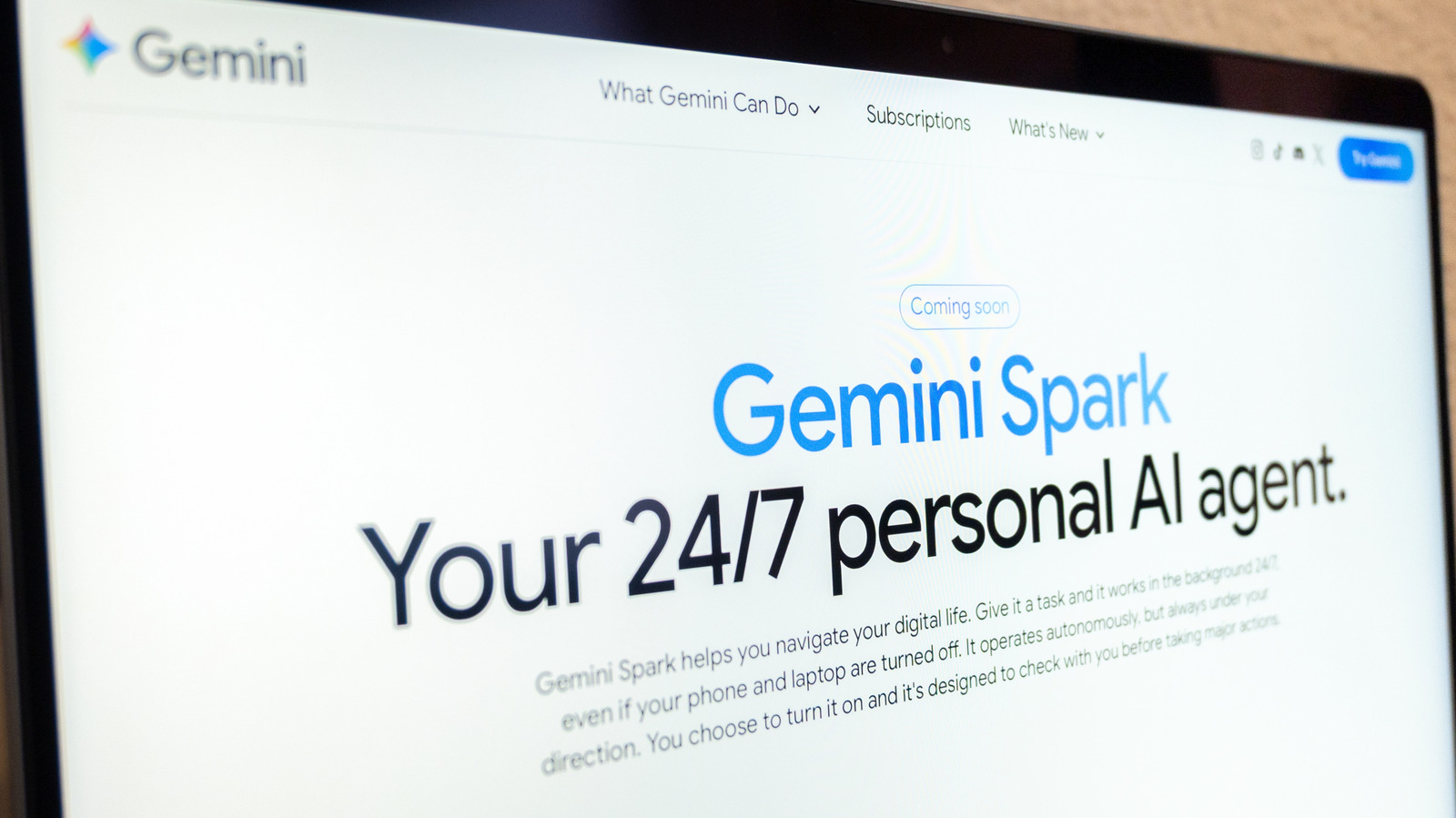
Google is repositioning its on-device AI agent strategy with “Spark,” a new system designed to automate complex user tasks directly on-device. This move represents a significant escalation in the battle for AI supremacy on personal hardware, moving beyond simple voice commands to proactive, multi-step task execution. Coming just after Apple’s WWDC showcase of a more integrated Siri, Spark signals a strategic pivot by Google to embed its AI deeper into the Android ecosystem, framing the smartphone not just as an app portal, but as a personalized, context-aware agent. The initiative aims to create a defensible moat against both Apple’s integrated hardware-software advantage and the ambitions of app-layer innovators like OpenAI. At its core, Spark operates by interpreting user intent and chaining together device actions—like editing photos, composing messages, and managing files—without constant user intervention. This fundamentally alters the user-OS relationship, creating winners and losers. The primary winners are Android hardware partners like Samsung and Pixel, who gain a powerful differentiator against the iPhone. The losers are single-purpose applications and potentially even app stores themselves, as agents that can perform tasks across apps reduce the need to engage with individual application interfaces. This forces a strategic recalculation for any developer whose value proposition is based on a simple workflow, as Spark can now automate it away. Looking forward, the success of on-device agents like Spark hinges on the trade-off between capability and privacy. Google