Google's Watermark Tool Shapes AI Trust Debate Amid FTC Scrutiny
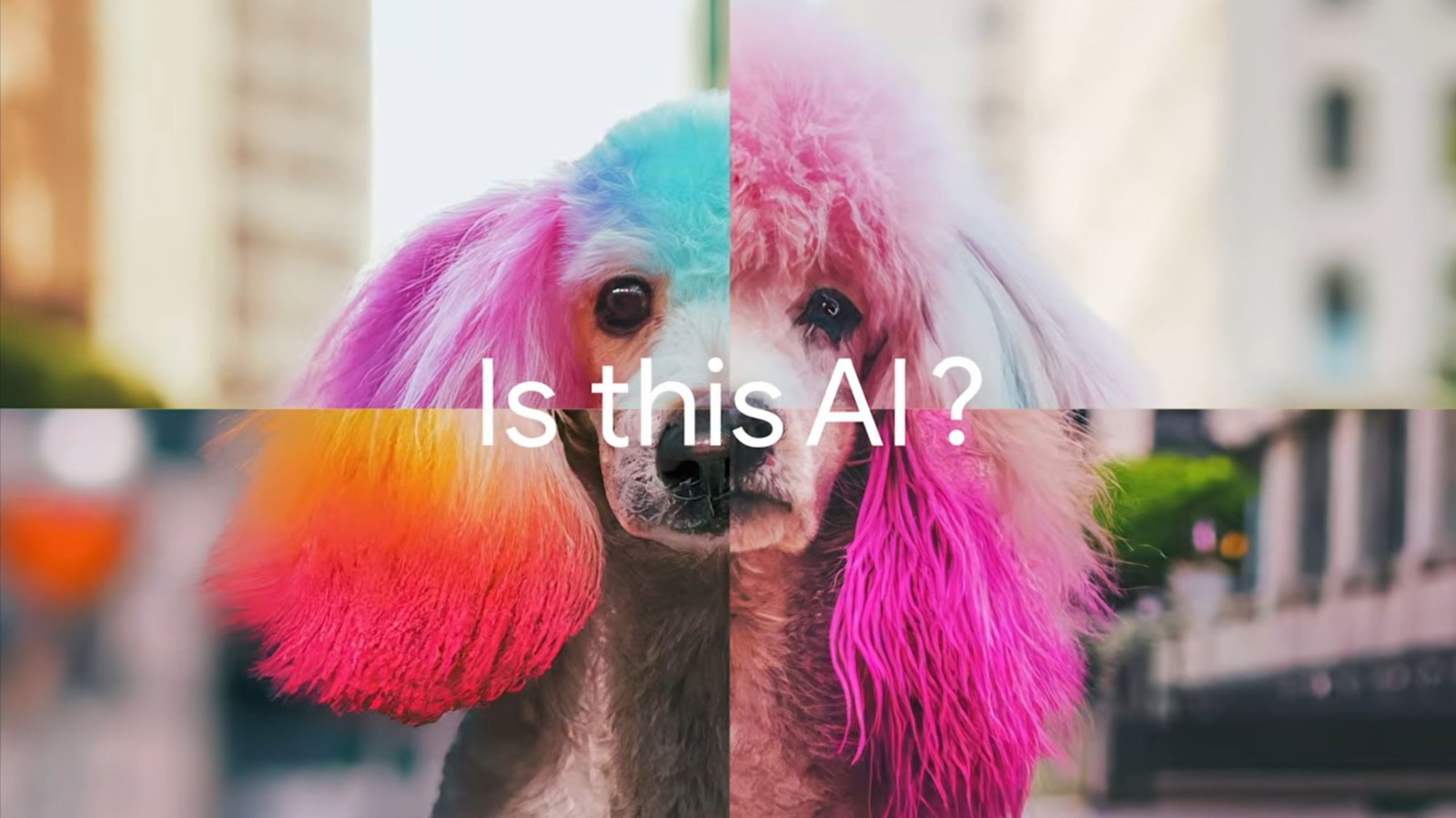
Google has operationalized its SynthID watermarking tool via a public-facing website, shifting the industry debate from theoretical detection to practical implementation. This move establishes a critical piece of infrastructure amid escalating concerns over AI-generated misinformation ahead of major global elections and the FTC's increasing scrutiny of AI outputs. By offering a freely accessible tool, Google not only sets a baseline standard for provenance but also subtly pressures competitors like OpenAI and Midjourney to adopt similarly transparent and verifiable watermarking schemes, effectively framing itself as a proponent of responsible AI ecosystem development. The system embeds a digital watermark directly into the pixel data of AI-generated images, engineered to be imperceptible to the human eye but detectable by an algorithm, even after common modifications like cropping, resizing, or compression. This positions Google's DeepMind as a key arbiter of digital truth, creating a significant technical and trust-based moat. This immediately creates a disadvantage for startups in the generative AI space, which lack the resources to develop or license comparable robust watermarking, making their models appear less trustworthy to enterprise clients concerned with liability and brand safety. The primary winners are large platforms and regulated industries that can now integrate a Google-blessed verification layer. The launch of a public tool is a strategic precursor to embedding SynthID as a default, non-optional feature within Google’s core products like Bard and its advertising platforms. The critical variable to watch is the rate of false negatives—undetected AI images—which will determine real-world trust. If SynthID proves resilient over the next 6-12 months, expect regulators to begin referencing it as a de facto industry standard, forcing players like Meta, whose Emu watermark is less robust, to either license Google’s technology or invest heavily to catch up, solidifying Google’s central role in the AI content ecosystem.