Haier's 'Intelligent Home' Vision Challenges Appliance Sector's Low-Margin Identity
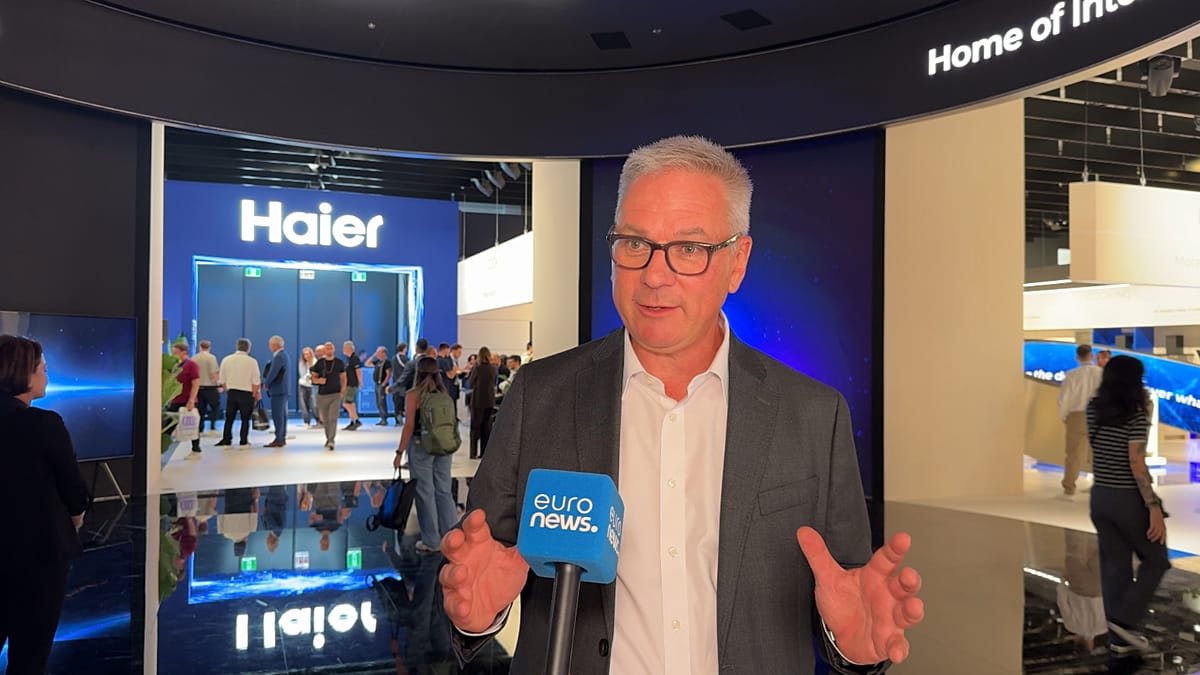
Haier used IFA 2026 to articulate a post-smart home strategy centered on an "intelligent home" ecosystem, moving beyond connected devices to integrated AI-driven services. This pivot directly challenges the appliance industry's traditional hardware-first model, attempting to create a recurring-revenue and data-centric platform. As competitors like Samsung and LG focus on app-based control within their own walled gardens, Haier’s vision of a more ambient, automated environment signals a strategic gambit to redefine the basis of competition from unit sales to ecosystem lock-in, a move mirroring the platform battles seen in mobile operating systems. The core mechanism involves leveraging AI not just for device functionality, but to create cross-platform services that anticipate user needs—a significant departure from the current reactive smart-home paradigm. The primary winners would be component suppliers for advanced sensors and on-device AI chips, like Qualcomm and Ambarella. Losers include single-function appliance manufacturers, such as Whirlpool or Electrolux, whose lack of a broad digital ecosystem exposes a critical vulnerability. Haier’s strategy forces a strategic recalculation for rivals: they must now invest heavily in AI R&D or risk being relegated to mere hardware providers in a software-defined home. Looking forward, the critical variable is Haier’s ability to execute on the software and services layer, a historically weak area for hardware-centric companies. Success in the next 18 months will be measured by the launch of at least one compelling, cross-appliance subscription service. The long-term (3-5 years) trajectory suggests a bifurcation of the market into integrated ecosystem providers and low-margin hardware vendors. The real test will be whether consumers are willing to grant a single manufacturer such deep, data-rich access to their homes, a hurdle that could trigger regulatory scrutiny over data privacy and interoperability, potentially fragmenting the very ecosystem Haier aims to build.