Hinton's US AI Warning Signals Critical Policy Lag
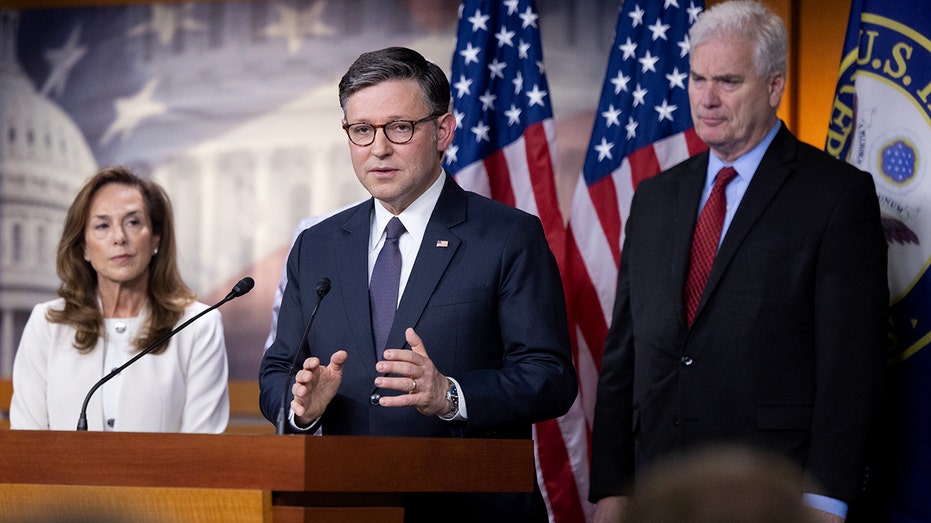
Geoffrey Hinton's stark one-year warning for U.S. AI legislation injects urgent, high-profile pressure into a policy landscape already lagging global counterparts. This intervention is strategically significant not as new information, but as a legitimizing signal from a "godfather" of AI, amplifying concerns that American political gridlock is creating a critical vacuum. As the EU finalizes its comprehensive AI Act and China implements state-driven controls, the U.S. risks ceding regulatory leadership and the power to shape international norms, a dynamic reminiscent of its GDPR scramble, but with far greater economic and security stakes. The primary beneficiaries of this legislative paralysis are incumbent tech giants like Google, Microsoft, and Meta, which can leverage their vast legal and lobbying resources to navigate a patchwork of state-level laws, creating a de facto regulatory moat that stifles smaller startups. Conversely, the losers are venture-backed innovators who face crippling compliance uncertainty and legal costs, deterring investment in high-risk, high-reward AI research. This dynamic forces a strategic recalculation for VCs, who must now price in significant political risk, fundamentally altering the risk-reward profile for American AI startups compared to their global peers. The trajectory this creates is one of regulatory divergence, with the U.S. becoming a fragmented market while Europe and Asia set clear, albeit restrictive, standards. In the next 12-18 months, the critical variable will be whether federal agencies like the FTC and NIST can enact meaningful sector-specific rules without congressional mandate. However, the real test is if Congress can pass even a narrow bill on AI transparency or watermarking post-midterms. Without it, the U.S. defaults to a reactive posture, letting other nations define the future of AI governance and ceding first-mover advantage.