Fatal LaGuardia Collision Intensifies AI Safety Imperative
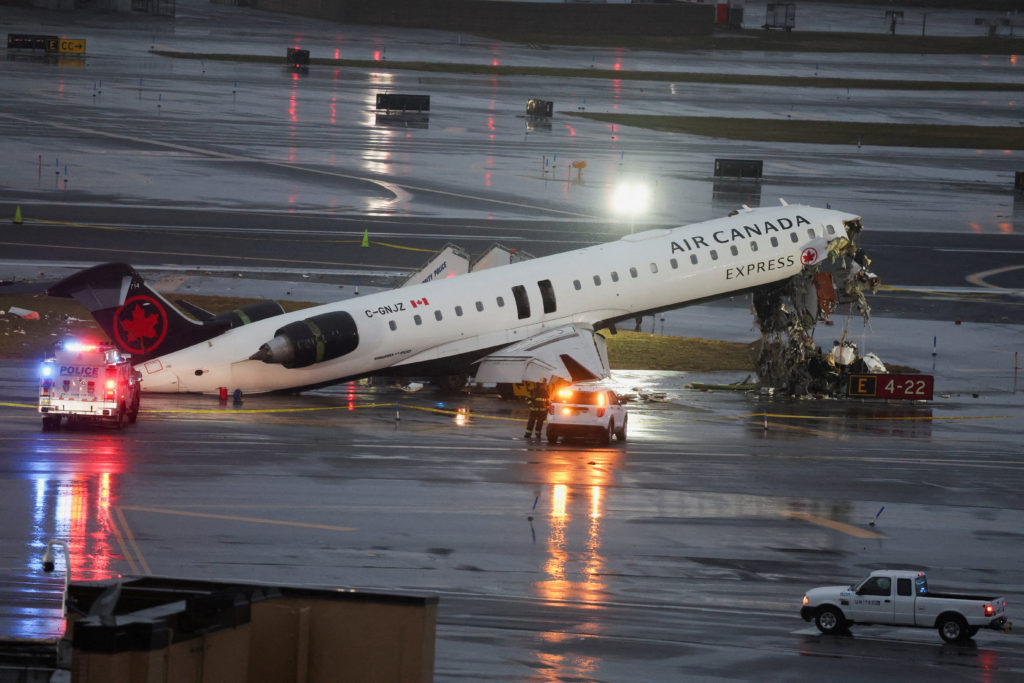
The fatal collision of an Air Canada jet and a fire truck at LaGuardia Airport is a catastrophic failure that immediately escalates the mandate for AI-driven airport autonomy. While tragic, the event provides a powerful, unignorable proof point for why human-only oversight of complex airfield environments is no longer viable. This incident moves the conversation beyond efficiency gains, reframing AI-powered ground control from a next-generation upgrade to an immediate safety imperative. It directly challenges the slow-moving, human-centric operational doctrines that have governed aviation for decades and amplifies the arguments made by technology providers pushing for digital twin and autonomous fleet management solutions. The collision exposes the fundamental vulnerability of siloed, voice-based communication between air traffic control, flight crews, and ground vehicles. AI-powered systems, like those being developed by GE Digital and NVIDIA, would prevent such disasters by creating a unified, sensor-fused digital twin of the airfield. This live model tracks and deconflicts the movement of all assets in real-time, capable of issuing automated alerts or even taking control of ground vehicles to prevent imminent collisions. The immediate winners are these tech providers, who now have an urgent, addressable market. The losers are legacy hardware vendors and airport authorities like PANYNJ, who now face immense regulatory and liability pressure to overhaul their outdated infrastructure. The NTSB investigation will almost certainly recommend the exploration and integration of automated safety systems, creating a powerful tailwind for adoption. Within 12-18 months, expect to see several major US airports launch aggressive pilot programs for AI-powered ground traffic management, likely funded by new FAA grants. Over the next three years, this will lead to the first phased rollouts of semi-autonomous control systems, starting with baggage carts and service vehicles before encompassing emergency responders. The critical variable is no longer the technology’s readiness, but the aviation industry’s ability to overcome regulatory inertia and absorb a fundamental shift in operational philosophy.