1,000 Humanoid Bots Enter Logistics, Reshaping Industrial Workflows
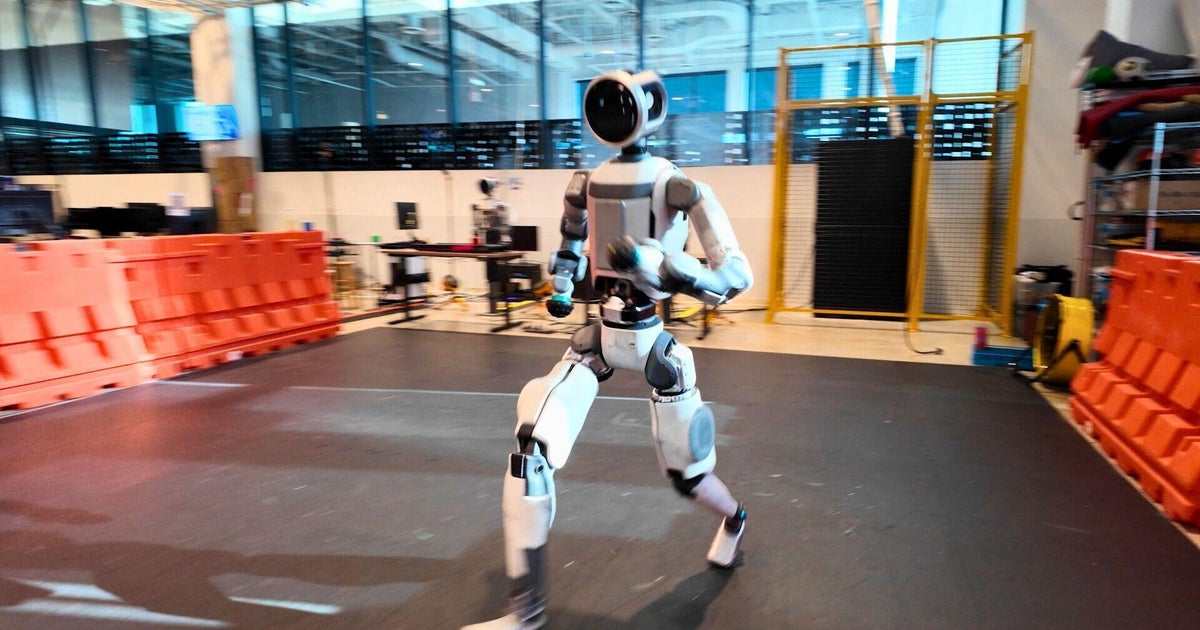
The era of humanoid robotics in the workforce has begun, marked by Figure AI's landmark agreement to deploy over 1,000 of its Figure 01 bots in a major logistics partner’s facilities starting this year. This move transcends mere R&D, establishing the first large-scale commercialization of general-purpose humanoids and shifting them from science fiction into a core component of industrial strategy. It directly leverages recent breakthroughs in multimodal AI, allowing robots to learn from and act on fluid, real-world instructions, a capability that sharply differentiates them from the fixed, single-task automation that has defined the last decade. The deployment fundamentally alters the operational and economic mechanics of logistics. Figure’s robots utilize fleet learning, where data from one unit improves the entire network, creating an exponential learning curve and a powerful data moat. Early adopters secure a profound efficiency advantage, while incumbent providers of rigid automation (e.g., conveyors, fixed-path AGVs) face a sudden threat of obsolescence. This forces a strategic recalculation for competitors like Boston Dynamics and Tesla, who must now accelerate their own commercial roadmaps and answer to a market that now has a clear benchmark for viability and scale. The trajectory is now set for a radical restructuring of the industrial labor market. The critical variable over the next 12 months is not capability, but reliability and unit economics at scale—specifically, Mean Time Between Failure (MTBF). Success in this initial deployment will trigger a capital investment cascade across the Fortune 500 within three years, aimed at retrofitting facilities for humanoid co-workers. The real test will be the system's ability to handle unstructured, "edge case" problems, but the strategic direction is clear: an irreversible shift toward automated physical labor is now underway.