Dolly Parton's Library: An Offline Data Goldmine for EdTech AI
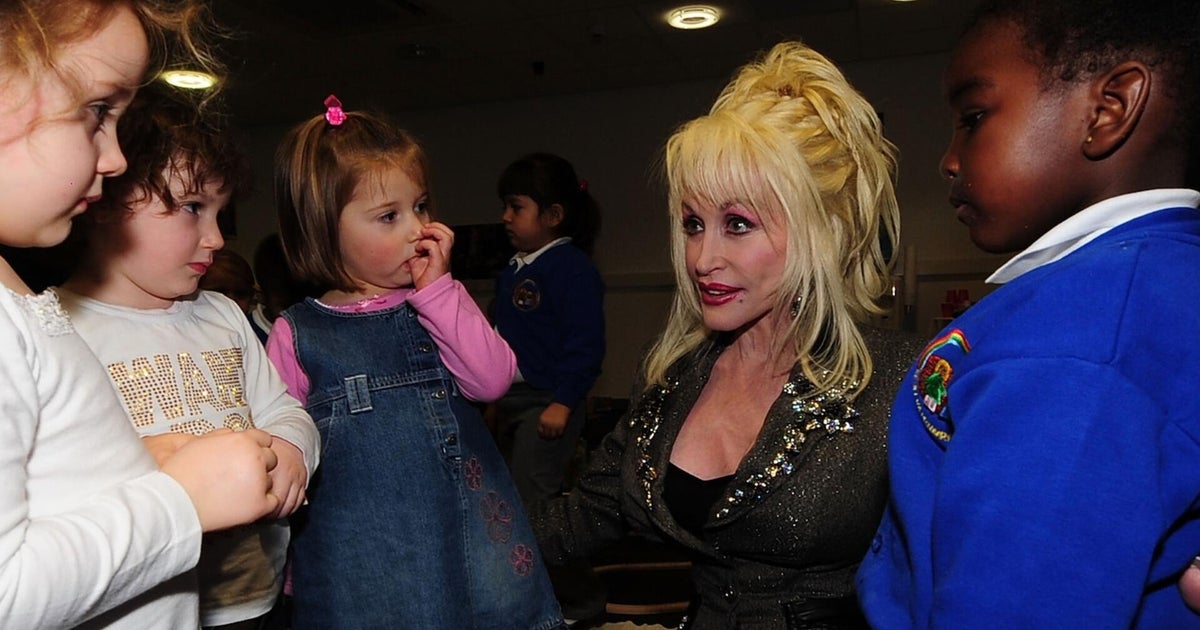
Dolly Parton's Imagination Library, a long-standing philanthropic book-gifting program, is now being analyzed as a powerful, non-digital data network that poses a unique challenge to the AI-driven EdTech sector. By distributing over 245 million physical books to children under five since 1995, the program has created a massive, longitudinal dataset on early childhood literacy engagement, completely offline. In an era dominated by digital-first solutions from companies like Coursera and Khan Academy, the Imagination Library represents a formidable analog moat, mapping early-learning patterns at a scale that purely digital platforms struggle to replicate due to socioeconomic access gaps and privacy concerns. The program's core mechanic—mailing a free, age-appropriate book monthly—fundamentally alters the data collection paradigm for early childhood development. While EdTech firms like Age of Learning (creators of ABCmouse) invest heavily in capturing digital interactions, the Imagination Library generates high-fidelity data on sustained, real-world engagement through renewal rates and demographic information. This creates an asymmetric advantage, providing deep insights into which narratives and concepts resonate across diverse socioeconomic strata. This forces a strategic recalculation for AI model developers who rely on often skewed, digitally-sourced datasets to train early-learning algorithms, potentially exposing vulnerabilities in their models' real-world efficacy. The critical variable going forward is whether the Imagination Library leverages its unparalleled dataset to inform AI development, either through partnership or its own initiative. In the next 12-24 months, watch for major EdTech players or research institutions attempting to partner with the organization to access this unique data asset to refine their models. This trajectory suggests the most effective AI training data isn