Val Kilmer AI Voice Sparks IP Licensing Battle in Hollywood
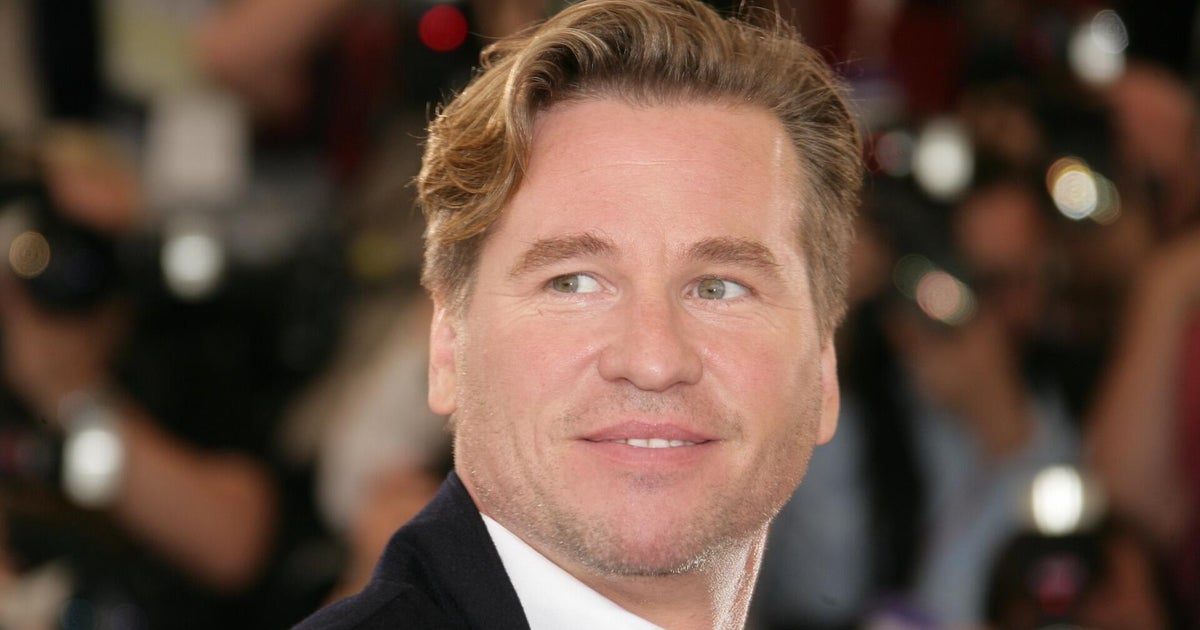
The use of sophisticated AI to recreate Val Kilmer’s voice for a new film marks a pivotal moment, transforming an actor's likeness from a personal attribute into a perpetual, licensable asset. This move escalates the stakes far beyond the experimental de-aging seen in films like *The Irishman*, establishing a viable commercial framework for posthumous performance. This development directly confronts the central anxieties of the recent SAG-AFTRA and WGA strikes regarding AI, shifting the debate from theoretical risk to present-day reality and putting pressure on the entire talent representation ecosystem to redefine the boundaries of identity and intellectual property in the generative AI era. The mechanics involve training generative adversarial networks (GANs) on hundreds of hours of Kilmer’s past audio and visual performances to create a synthetic model capable of generating new dialogue and expressions. The primary winners are actors’ estates and specialized AI companies like Sonantic (used for Kilmer’s voice), which gain a lucrative new market. This fundamentally alters the competitive landscape for living actors, who now compete not just with peers but with the immortal digital ghosts of screen legends. It forces a strategic recalculation for studios, which can now mitigate the financial risk of a star’s unavailability or death, albeit at the risk of audience rejection. The long-term trajectory suggests a bifurcation of the acting profession: A-list stars whose digital likenesses become enduring franchises, and a vast tier of working actors whose opportunities are eroded by synthetic performers. In the next 12-24 months, expect a wave of high-stakes litigation as estates test the ownership boundaries of these new digital assets. The critical variable will be whether audiences accept synthetic performances en masse or reject them as an uncanny valley too far. This isn