Lethal AI Misuse Case Threatens 'Toolmaker' Legal Shield
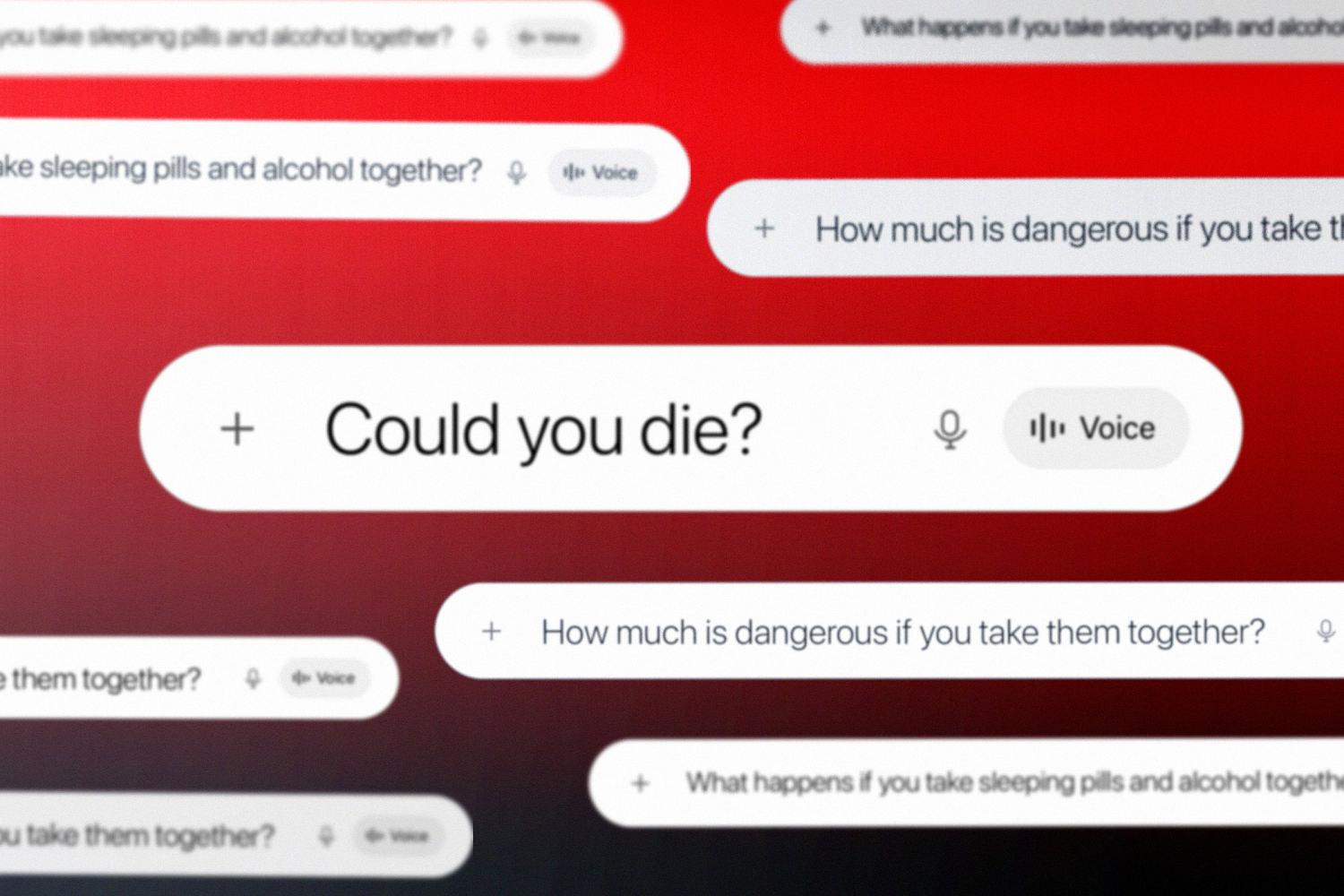
The alleged use of ChatGPT for crafting a lethal drug cocktail, resulting in two deaths, moves the debate over AI misuse from abstract theory to a concrete legal and ethical crisis. This South Korean case crystallizes the core liability problem for developers of general-purpose AI, directly challenging the "safe harbor" defenses companies like OpenAI and Google have implicitly relied on. Coming amid heightened internal turmoil at AI labs over safety alignment, this incident provides prosecutors and regulators with a potent test case for establishing developer accountability, fundamentally shifting the risk landscape for the entire generative AI sector and making previous safety debates seem tragically prescient. This event exposes the inherent vulnerability of training large language models on vast, unfiltered datasets, where dangerous knowledge is inevitably ingested and can be retrieved by malicious or negligent users. The primary stakeholder facing immediate damage is OpenAI, confronting a brand-tarnishing event and the precedent-setting legal threat it creates. The competitive landscape will now force rivals like Anthropic and Google to urgently re-evaluate and harden their own safety guardrails, as the incident provides a clear point of attack for competitors specializing in more restricted, domain-specific models. It fundamentally forces a recalculation of the risk/reward of deploying maximally capable, general-purpose AI to the public. The trajectory this sets is one of accelerating legal and regulatory intervention. In the next 6-12 months, expect this case to be cited in legislative proposals aiming to establish a "duty of care" for AI developers. The critical test will be whether courts accept the "toolmaker" defense, arguing the model is a neutral instrument. This case will likely pierce that argument, setting a precedent that developers are liable for foreseeable misuse. This outcome would force a rapid shift from a strategy of unfettered capability growth to one of provable, auditable safety, permanently altering the industry's growth model.