Meta's Smart Glasses Highlight AI Surveillance vs. Social Norms
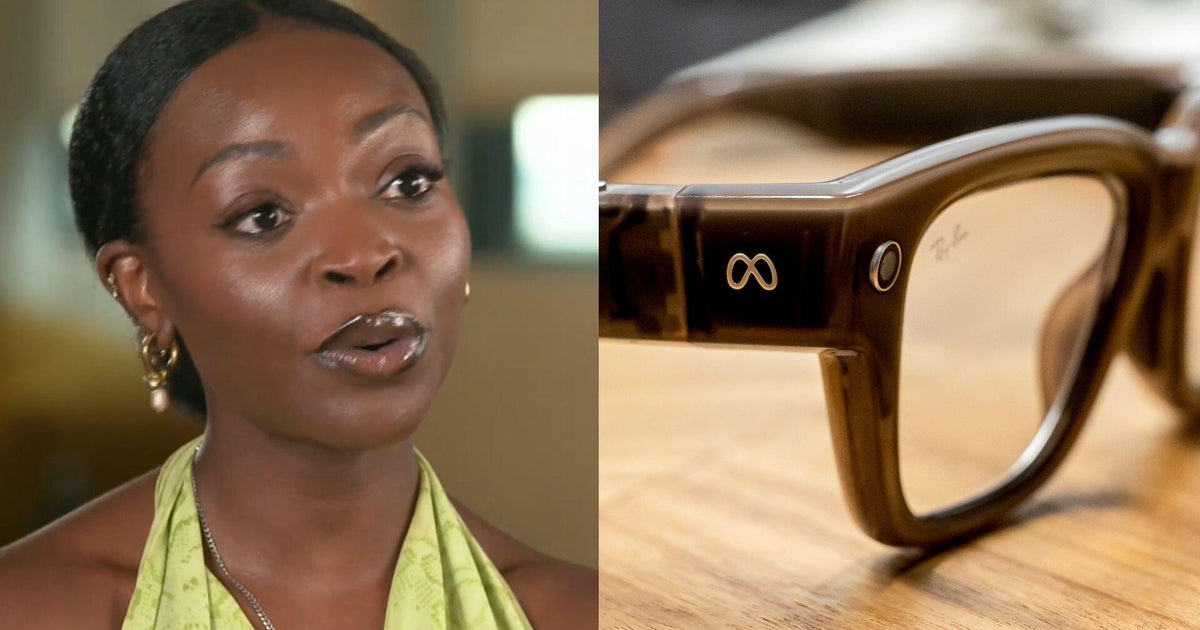
The recent viral incident of a woman being covertly filmed by a user of Meta's Ray-Ban smart glasses crystallizes the escalating conflict between ambient AI data collection and established social norms of privacy. While not a new technological capability, its integration with an AI assistant that can see and hear what the user does shifts the device from a novelty to a persistent, context-aware sensing platform. This event elevates the abstract threat of wearable surveillance into a tangible public controversy, directly challenging the product's path to mainstream adoption and echoing the public backlash that doomed Google Glass a decade prior. The incident fundamentally alters the risk calculus for Meta, creating an asymmetric disadvantage where a single user's misuse can generate disproportionately negative brand damage and regulatory scrutiny. For every user leveraging the glasses for AI-powered convenience, there are dozens of non-users who now perceive the technology primarily as a threat. This forces a strategic recalculation for Meta and its competitors, like Amazon with its Echo Frames, as the core value proposition of seamless data capture is now inextricably linked to social friction and potential legal liability, creating a significant barrier to widespread acceptance. The critical variable now is not technological advancement but social and regulatory response. In the next 3-6 months, we can expect copycat "gotcha" videos to proliferate, forcing platform moderation decisions that will set new precedents. Within 12 months, this will likely trigger specific legislative proposals targeting AI-enabled wearables, moving beyond general data privacy laws. This trajectory suggests Meta’s primary challenge is no longer engineering, but a high-stakes public trust and policy battle that will determine if the category can scale beyond a niche user base.