Meta Challenges Apple, Google with AI Glasses Accessibility Push
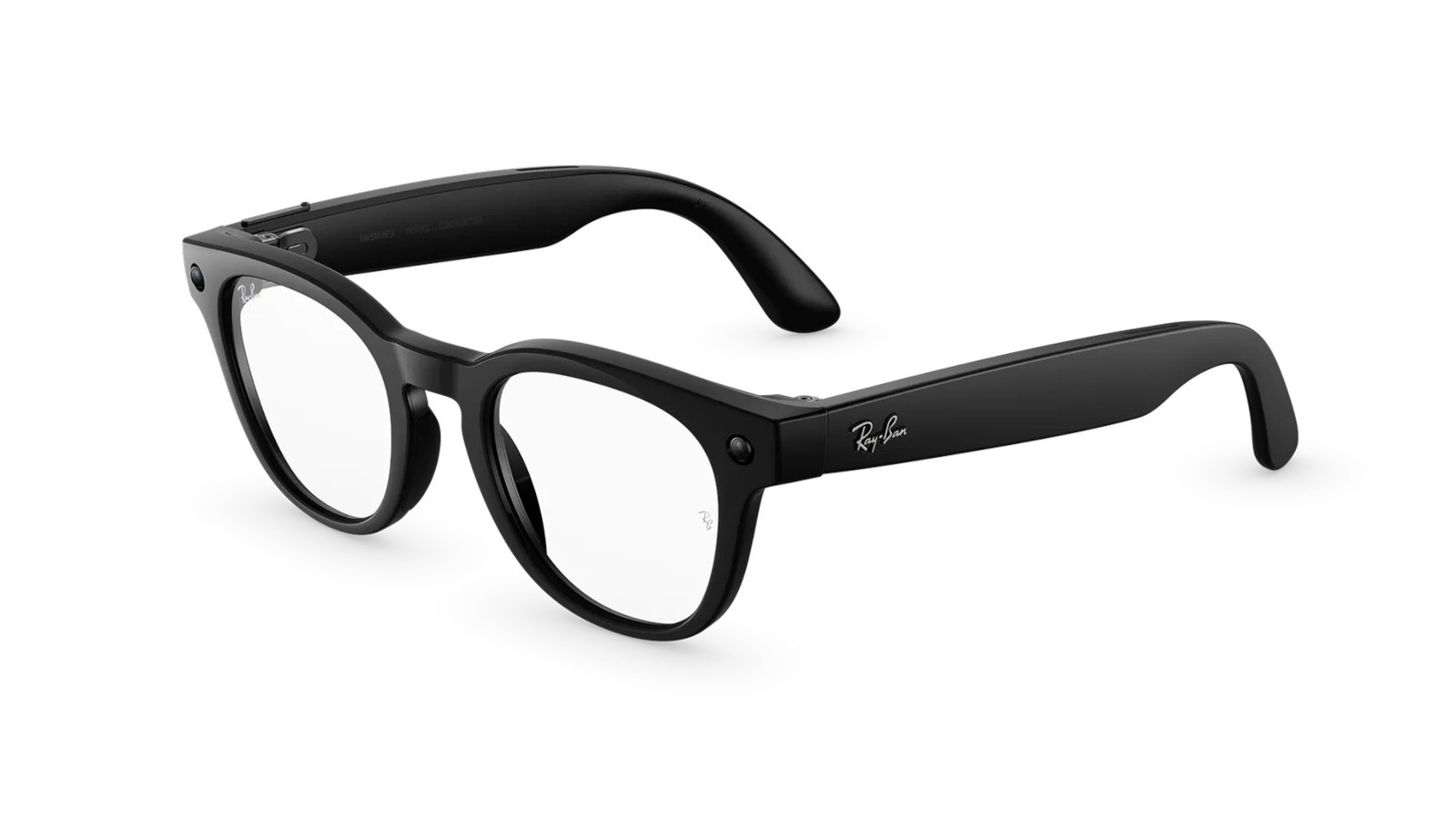
Meta is strategically deploying 15,000 Ray-Ban Meta glasses to visually impaired users in Ireland, framing its wearable AI not merely as a consumer gadget but as a vital assistive technology platform. This move, executed through a partnership with the NCBI charity, isn't just philanthropy; it's a calculated effort to accelerate real-world data collection for its multimodal AI and seize the narrative on "AI for good." Coming just as Apple faces scrutiny over the Vision Pro's limited accessibility features, Meta’s action establishes a new competitive benchmark in the nascent spatial computing market. The initiative fundamentally alters the product development lifecycle for AI wearables by creating a large-scale, real-world testing environment. For Meta, this provides an invaluable stream of first-person data on environmental interaction, object recognition, and user queries, directly feeding and refining its multimodal AI models at a scale rivals cannot easily replicate. Winners include Meta’s AI division and accessibility advocates, who gain a powerful new tool. Losers are competitors like Apple and Google, who now appear to be lagging in the practical application of AI for assistive purposes, forcing them to re-evaluate their own wearable hardware roadmaps. The critical trajectory to watch is how this initiative transitions from a goodwill gesture to a core pillar of Meta's platform strategy. In the next 6-12 months, expect Meta to publish findings on user interaction, subtly marketing the glasses as a proven assistive device. Within two years, this could force a regulatory conversation about subsidizing such devices, potentially creating a new, publicly funded market. The real test will be whether Meta can convert this early lead in the accessibility niche into a broader consumer preference for its hardware ecosystem over Apple’s impending smart glasses.