Meta's Privacy Upgrade Normalizes Wearable AI, Evading 'Glasshole' Stigma
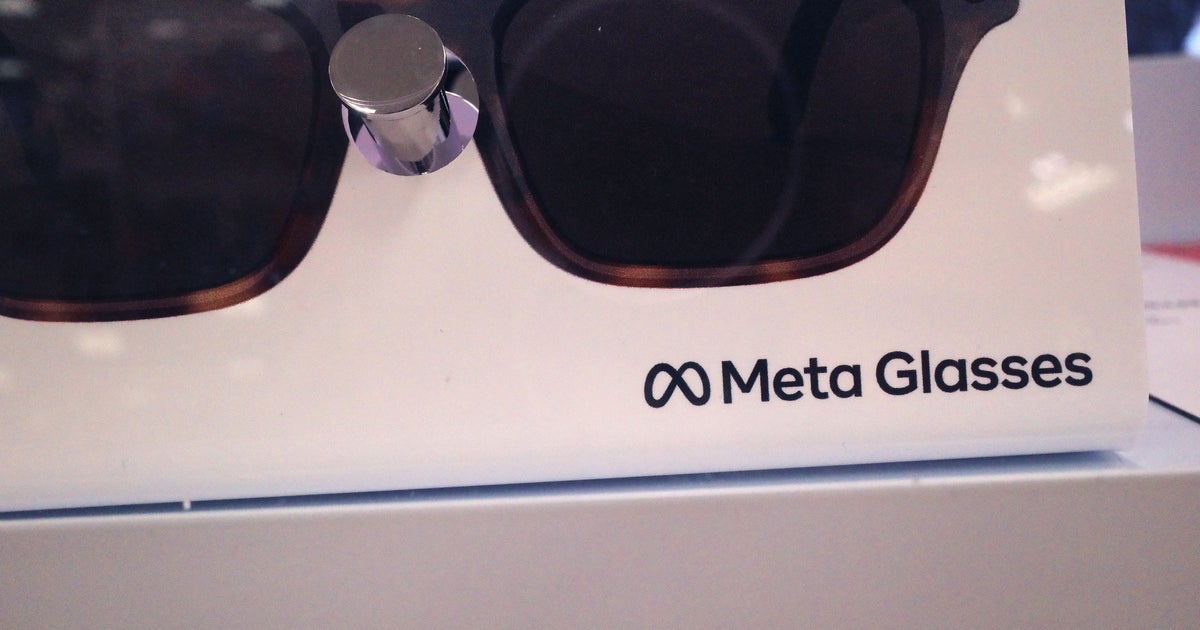
Meta has upgraded its Ray-Ban smart glasses to prevent surreptitious recording, a move that directly addresses the public and regulatory backlash threatening the entire wearable AI market. This isn't merely a feature update; it's a strategic repositioning to normalize public-facing AI hardware, seeking to avoid the "glasshole" stigma that doomed Google Glass a decade ago. By tackling the privacy issue head-on, Meta aims to build a moat of public trust that future competitors, like Apple with its rumored smart ring or Humane with its Ai Pin, will be forced to match. The update fundamentally alters the product’s social contract by shifting the privacy burden from the public back onto the user, a calculated trade-off to de-risk mainstream adoption. Winners are regulators and privacy advocates who see their concerns validated, while early-adopter power users lose the ability for discreet capture. This forces a strategic recalculation for rivals; any future wearable must now launch with "ethical capture" as a baseline feature, not a post-launch patch, effectively raising the barrier to entry for hardware startups in the AI space. The critical variable now is whether this preemptive compliance gesture is sufficient to placate regulators in the EU and US, who are already scrutinizing wearable AI. This move sets a precedent for the next 12-18 months, likely forcing a standards war around privacy-preserving hardware. The real test will be if this software fix prevents a hardware-level regulatory mandate, such as a non-disablable, universally recognized recording indicator. This trajectory suggests Meta is sacrificing niche user utility for the much larger prize: making wearable AI socially and politically tenable.