Microsoft's Copilot Voice Redesign Shifts AI Interface Philosophy
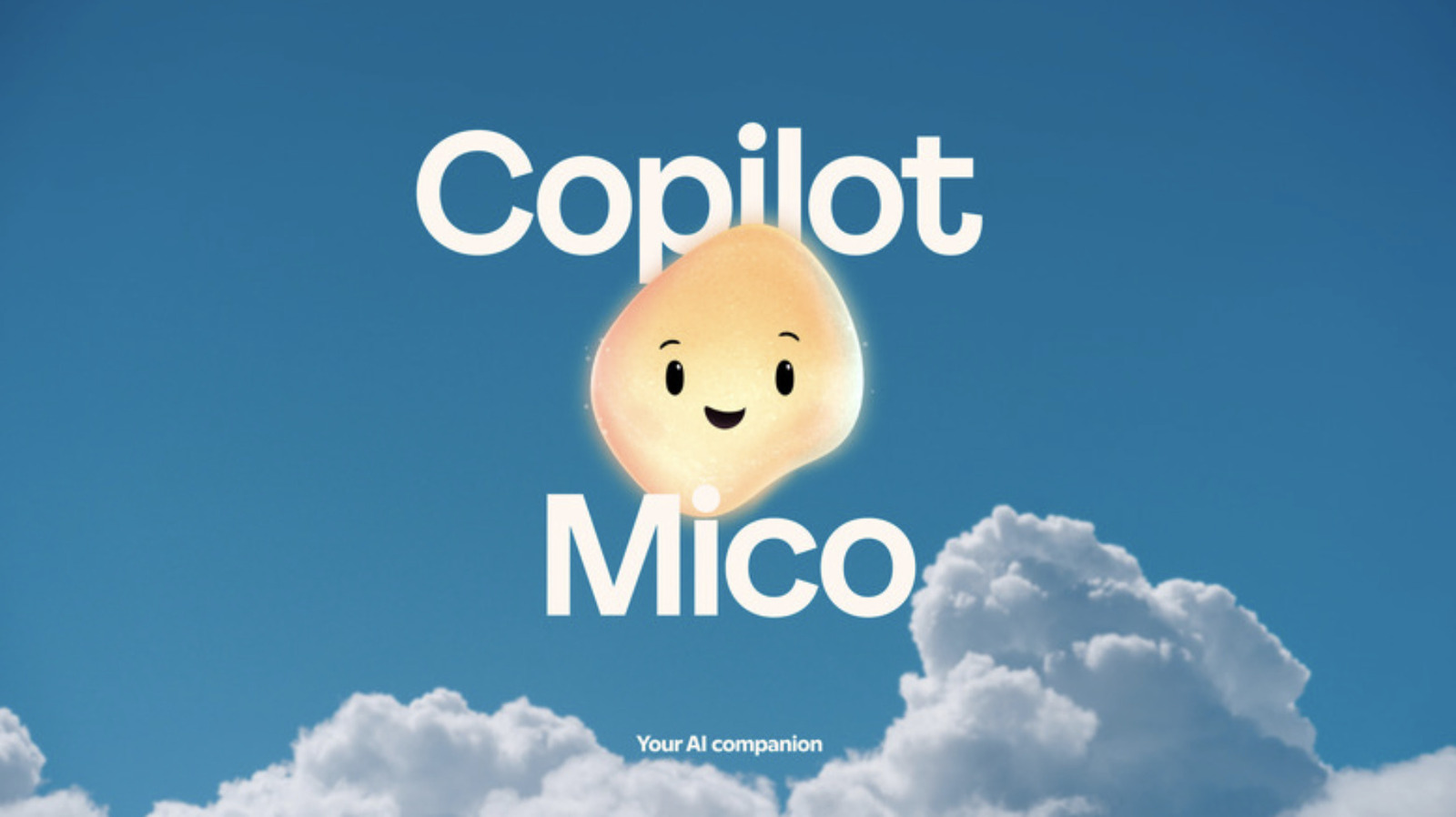
Microsoft's removal of its 'Mico' avatar from Copilot Voice, confirmed in early June 2024, marks a significant strategic pivot in the design philosophy for mainstream AI assistants. This move abandons the industry's early reliance on skeuomorphic, character-driven interfaces aimed at personifying AI. It signals a broader market realization that for productivity-focused users, abstract, unobtrusive interfaces are superior to distracting, gamified mascots. This shift follows Google's recent integration of a more minimalist Gemini interface, indicating a convergence toward utility over personality in the battle for AI-powered workflow dominance, fundamentally reframing the user experience as a seamless utility rather than an interactive character. The immediate winners from this de-personification are enterprise users, who gain a less intrusive, more professional tool that integrates cleanly into existing workflows, reducing cognitive load and brand dissonance. The primary losers are creative agencies and design teams who invested heavily in developing brand-specific AI personas, a strategy now proven to be a dead end for productivity software. This forces a strategic recalculation for competitors like Character.AI and Replika, whose entire value proposition rests on personality-led interaction. Microsoft gains an asymmetric advantage by defining the enterprise AI interface standard as minimalist and purely functional, forcing rivals to either follow suit or risk appearing unprofessional and distracting to high-value customers. The critical variable moving forward is how quickly this 'utility-first' interface standard propagates across the entire AI stack, from consumer applications to specialized vertical SaaS. Over the next 6-12 months, expect competitors to quietly phase out their own animated helpers and adopt more abstract, data-centric visualizations. The real test will be whether this trend extends to voice-only platforms like vehicle assistants, where personality has traditionally been key to user engagement. This trajectory suggests the AI assistant market is bifurcating into two distinct categories: functional utilities for work and personified companions for entertainment, with little room for overlap.