Musk’s OpenAI Suit Challenges AI's Hybrid Governance Model
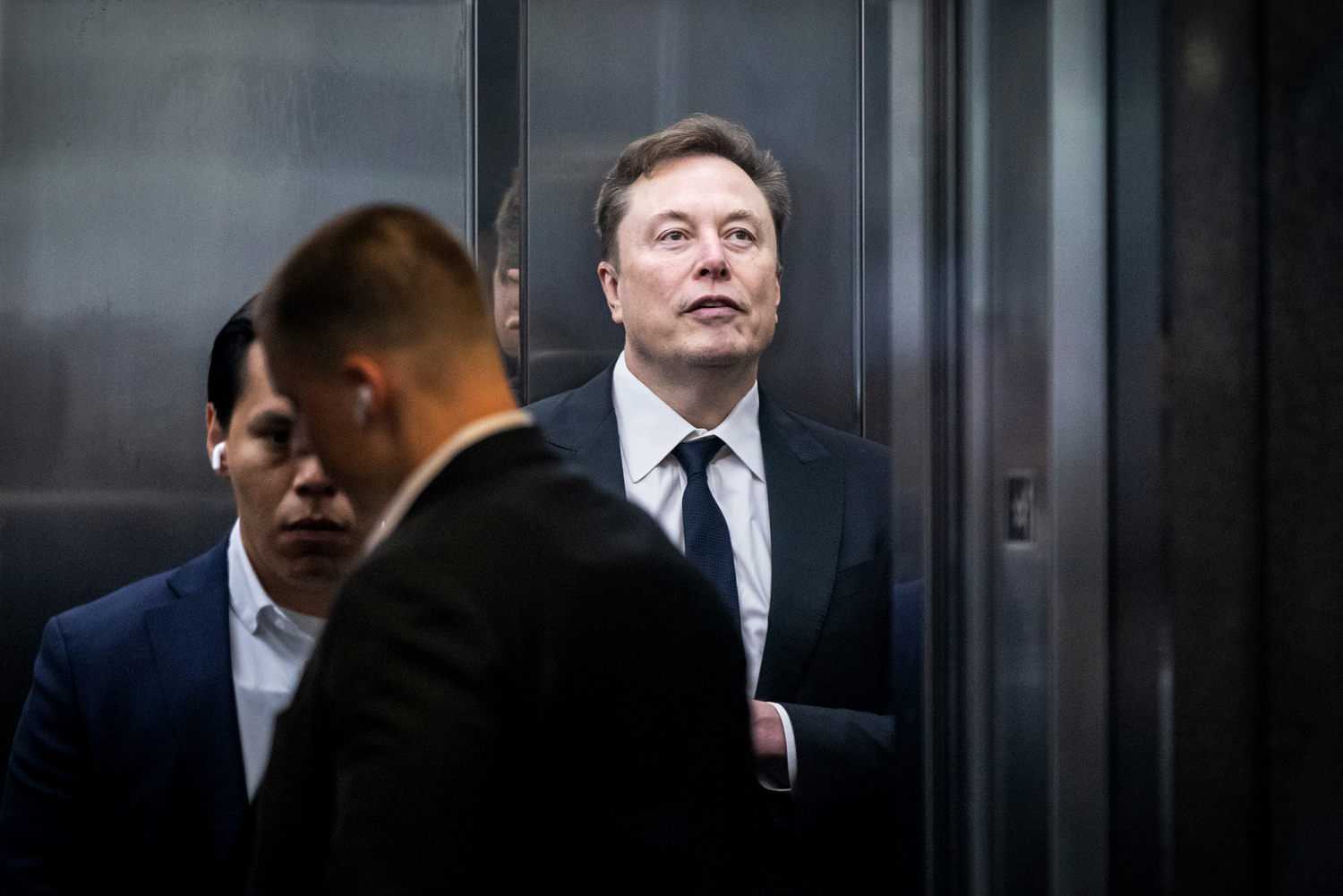
The multi-week legal battle initiated by Elon Musk against OpenAI represents a critical inflection point for the entire AI sector, moving beyond a mere dispute between founders into a referendum on the viability of hybrid non-profit/for-profit governance structures. By challenging OpenAI's pivot to a "capped-profit" model driven by its Microsoft partnership, the lawsuit scrutinizes the foundational promises that have attracted capital and talent to leading AI labs. This conflict crystallizes the industry-wide tension between the original open, humanitarian-focused missions of organizations like OpenAI and the immense commercial pressures required to fund cutting-edge model development, a struggle also reflected in Meta's open-source strategy versus Google's more integrated commercial approach. The proceedings fundamentally alter the risk calculus for stakeholders across the AI ecosystem, exposing the legal and reputational vulnerabilities inherent in OpenAI's complex corporate structure. While the legal teams are immediate beneficiaries, the true winner may be rival labs like Anthropic and Google DeepMind, who can now stress-test their own governance models against the arguments presented in court. The lawsuit forces a strategic recalculation for Microsoft, whose deep integration with OpenAI is now under a legal microscope, potentially threatening to subordinate its multi-billion dollar investment to the lab's original, vaguely defined charter. This creates a chilling effect on future partnerships structured around ambiguous "mission-driven" entities. Looking forward, this legal drama will have cascading consequences. In the near term (3-6 months), expect a surge in AI startups structuring as straightforward Public Benefit Corporations or C-corps to avoid similar litigation. Within two years, the case will likely catalyze regulatory inquiry from the FTC or SEC into the governance and investor disclosures of dual-structure AI companies. The critical variable is whether the proceedings force a concrete legal definition of "AGI," which would create a tripwire for future claims. Ultimately, the lawsuit has irrevocably demonstrated that the era of relying on ambiguous, mission-oriented charters to govern world-changing technology is over.