Nvidia CEO's 'Full Speed' AI Push Reshapes Chip Race
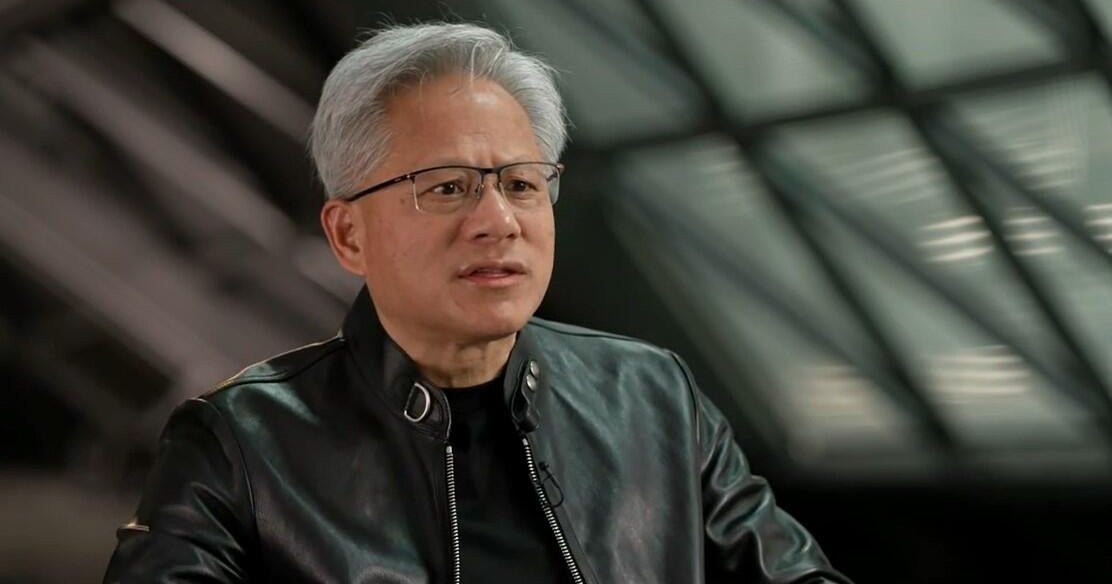
Nvidia CEO Jensen Huang’s call to develop AI “as fast as we can,” delivered in a recent CBS News interview, is a direct counter-offensive against the “AI pause” movement. This strategic declaration aims to solidify Nvidia’s market-leading position by framing rapid innovation as a competitive necessity, not a reckless gamble. Coming just as competitors like AMD and Intel are intensifying their AI chip strategies and a new wave of foundation models from Anthropic and Google are challenging the landscape, Huang’s statement is a power play to accelerate the hardware upgrade cycle and lock in its CUDA ecosystem as the non-negotiable standard for the next generation of AI development. This aggressive stance fundamentally alters the calculus for competitors and the broader ecosystem. For hardware rivals like AMD and Intel, the pressure now intensifies to accelerate their own ROCm and OneAPI software ecosystems, which currently lag years behind Nvidia’s CUDA in developer adoption and performance. Every new AI model developed at maximum speed on Nvidia hardware deepens this competitive moat. This creates an asymmetric advantage where Nvidia’s incumbency benefits from the very chaos and complexity that AI safety advocates warn against, making their GPUs the default choice in a rapidly evolving, high-stakes technology race, directly benefiting their bottom line projected to exceed $20B in quarterly revenue. The forward-looking implication is a bifurcation of the AI industry into two camps: the accelerationists, led by hardware incumbents like Nvidia, and the decelerators, composed of safety researchers and, increasingly, regulators. The critical variable is whether governments will intervene with mandatory pre-deployment risk assessments, which could disrupt Nvidia’s accelerated timeline. Watch for legislative proposals within the next 12-18 months, particularly in the EU, as the real test will be whether market momentum can outpace regulatory friction. This trajectory suggests the AI arms race will be fought not just in labs, but in legislatures.