NVIDIA, Google Drive Open AI for Proactive Pandemic Defense
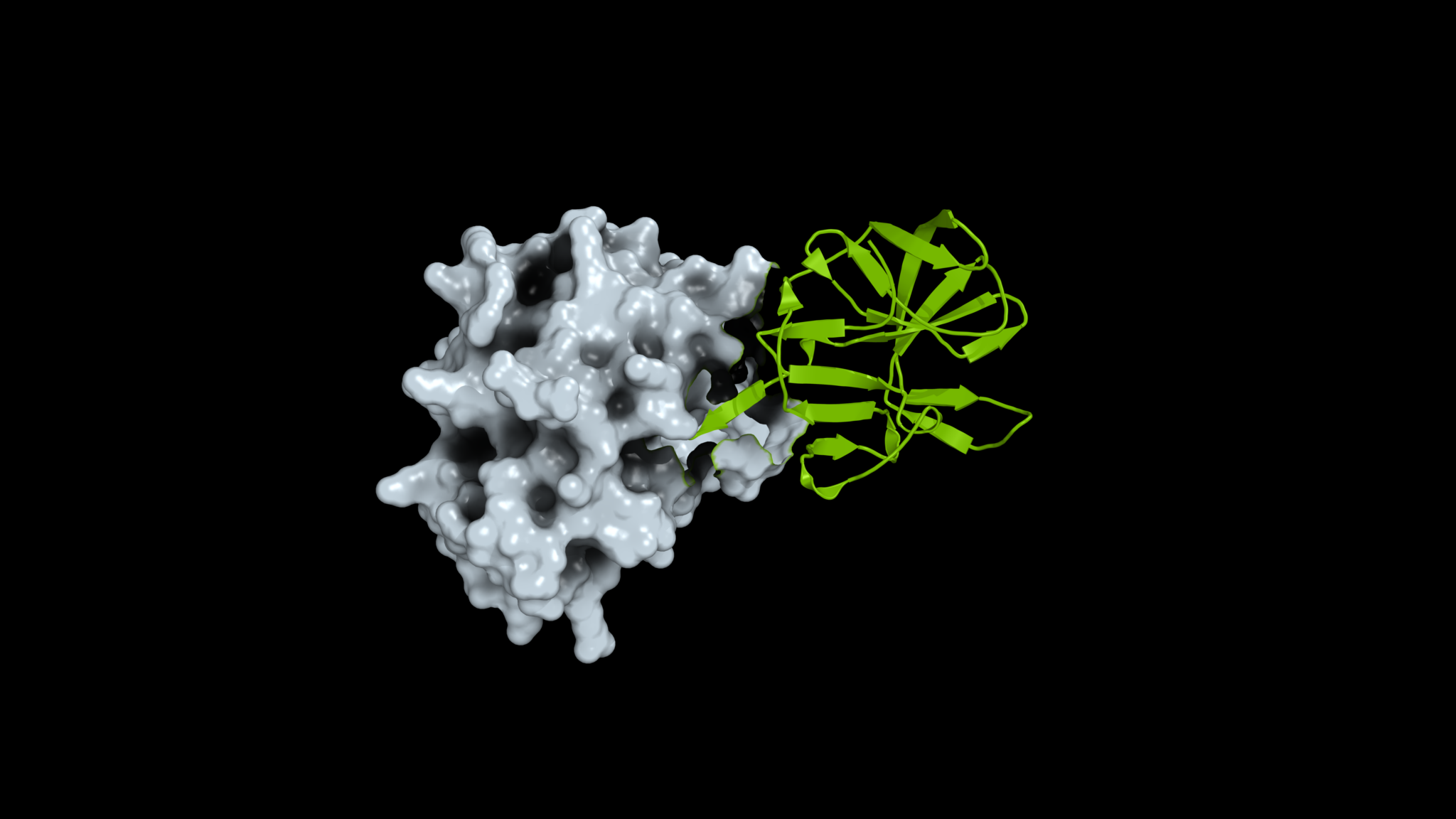
NVIDIA has joined a global research coalition, including Google, to build an open science framework for pandemic preparedness, aiming to preemptively model viral threats. This strategic move reframes pandemic response from a reactive, pharmaceutical-led effort to a proactive, computation-driven intelligence operation. By committing high-performance computing resources to open data platforms, the initiative directly challenges the closed, proprietary R&D models that have historically dominated drug discovery, setting the stage for a fundamental shift in the bio-defense technology stack, much like the Human Genome Project did for genomics. This coalition fundamentally alters the value chain by creating a centralized, high-performance computing ecosystem for virology and protein folding research. Direct winners are academic researchers and biotech startups, who gain access to subsidized, world-class AI infrastructure previously reserved for Big Pharma. The primary losers are contract research organizations (CROs) and specialized bioinformatics firms whose business models rely on proprietary data and siloed analytical tools. This forces a strategic recalculation for companies like Moderna and Pfizer, whose competitive advantage in mRNA was partly speed; now, they must compete on a playing field where foundational models are a shared commodity. The initiative’s long-term trajectory suggests the commoditization of foundational biological models, shifting the battleground from model creation to application and therapeutic delivery. Within 12-18 months, the critical test will be whether the coalition can establish data-sharing and IP-licensing standards that attract, rather than deter, participation from commercial pharmaceutical partners. Success would create a public-private ecosystem that continuously simulates emergent threats, making rapid response the new baseline. Failure, however, risks creating a powerful but underutilized academic tool, widening the gap between public research and commercial deployment.