NVIDIA-OpenAI Alliance Deepens, Forcing Rivals into an GPU Arms Race
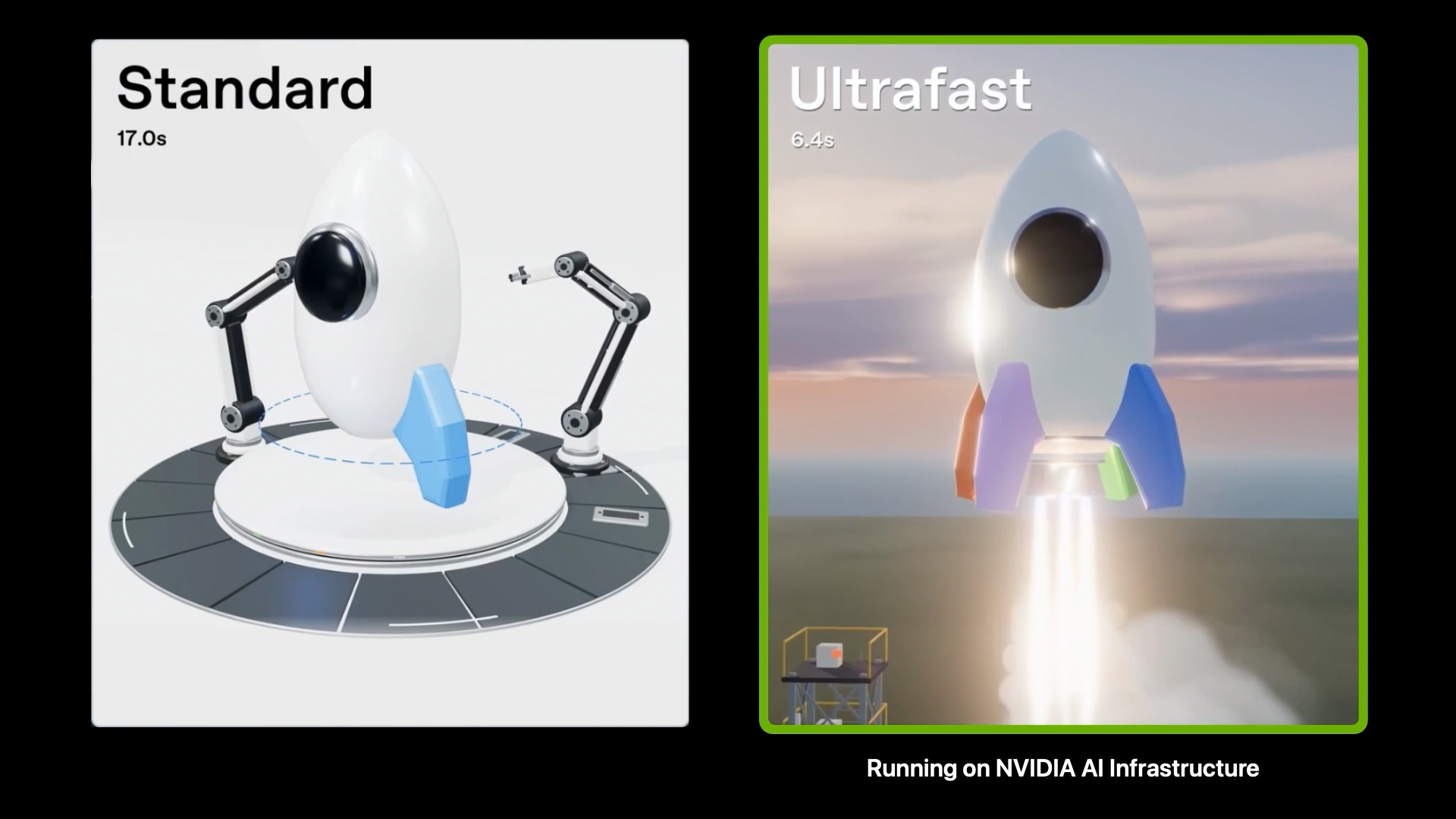
OpenAI's release of GPT-6 Astra Ultrafast, running on NVIDIA's Blackwell GPUs, marks a significant escalation in the AI performance war. This isn't merely an incremental speed bump; it's a strategic move to commoditize high-performance inference, directly challenging the value proposition of API-first rivals. By coupling its latest model with top-tier hardware, OpenAI reinforces its market leadership, shifting the competitive axis from model architecture alone to the tightly integrated co-optimization of silicon and software. This development further solidifies NVIDIA's central role in the AI ecosystem, making its hardware the de facto standard for deploying frontier models at scale. The 8x performance leap is a direct result of deep co-engineering between OpenAI's inference optimizations and the Blackwell architecture's specific capabilities. This creates an asymmetric advantage, leaving competitors like Google and Anthropic in a difficult position: either attempt to replicate this deep hardware-software integration with less mature silicon or remain dependent on NVIDIA, indirectly subsidizing their primary rival's key partner. This dynamic makes compute access, specifically access to the latest Blackwell chips, the primary battlefield for AI supremacy. Winners will be those who can secure supply and optimize faster than anyone else, creating a new class of have-nots among smaller, less-capitalized players. The trajectory is clear: the AI industry is entering a phase of intense vertical optimization where model providers and chipmakers form powerful, exclusive alliances. The critical variable is no longer just model performance but "performance-per-watt-per-dollar," a metric this alliance is built to dominate. Watch for a wave of acquisitions and strategic partnerships in the next 6-12 months as competitors scramble to secure their own silicon advantage. The real test will be whether open-source alternatives, lacking this deep integration, can maintain relevance or if they will be relegated to a lower-performance tier, bifurcating the market permanently.