Hyperscaler Custom Silicon Faces New NVIDIA AI Factory Standard
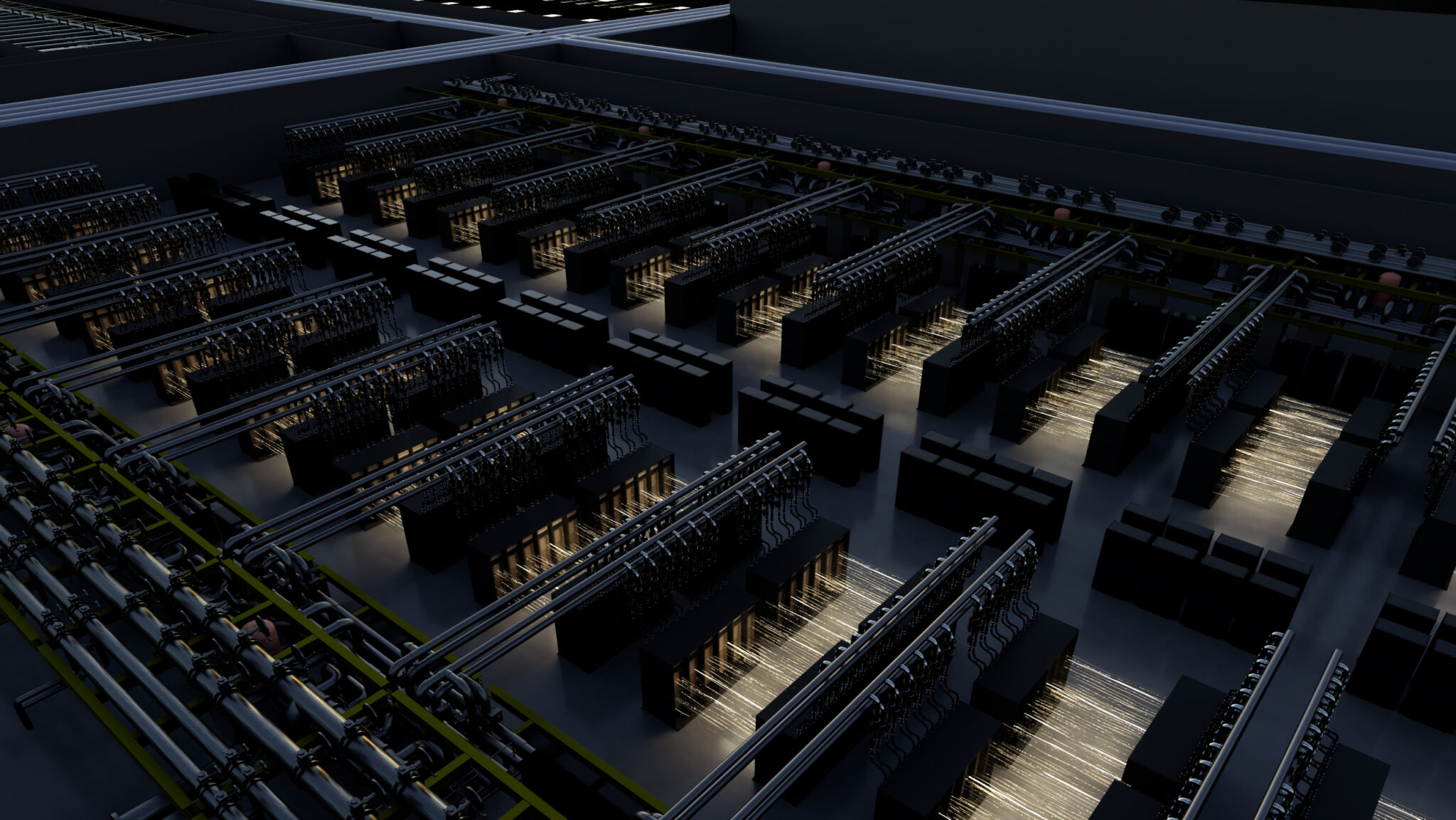
NVIDIA is strategically reframing the AI infrastructure narrative, shifting the benchmark from individual accelerator performance to the holistic output of an "AI factory." This move, centered on metrics like tokens per watt and total cost per token, aims to reposition the value conversation beyond raw chip speed. It directly confronts the rise of custom silicon (XPUs) from hyperscalers like Google (TPUs) and AWS (Trainium/Inferentia), arguing that a full-stack, integrated platform delivers superior economic output, a clear defense of its ecosystem-driven business model against component-level challengers. The core of this strategy exposes a key vulnerability in the custom XPU approach: system-level integration and operational efficiency at scale. NVIDIA contends that true performance is not just about the accelerator but the entire factory, including networking, software, and utilization rates. This positions NVIDIA as the prime contractor for AI infrastructure, with hyperscalers building their own chips as component suppliers risking suboptimal factory output. This forces a strategic recalculation for rivals, who must now prove their XPUs deliver better total cost of ownership (TCO) at the factory level, not just the chip level. This "AI factory" concept solidifies NVIDIA’s market position by transforming the procurement process. Instead of selling accelerators, it is selling a guaranteed output—a factory blueprint. The critical variable moving forward is how effectively hyperscalers can replicate NVIDIA’s full-stack efficiency with their own disaggregated components. This trajectory suggests a future where AI infrastructure is bought and sold based on production SLAs (e.g., cost-per-trillion-tokens), making NVIDIA’s integrated hardware-software ecosystem a prerequisite for competitive performance. The real test will be whether an open-source software stack can emerge to challenge CUDA’s dominance in orchestrating these factories.