NVIDIA's Isaac ROS 5.0 Captures Robotics AI Stack, Deters Rivals
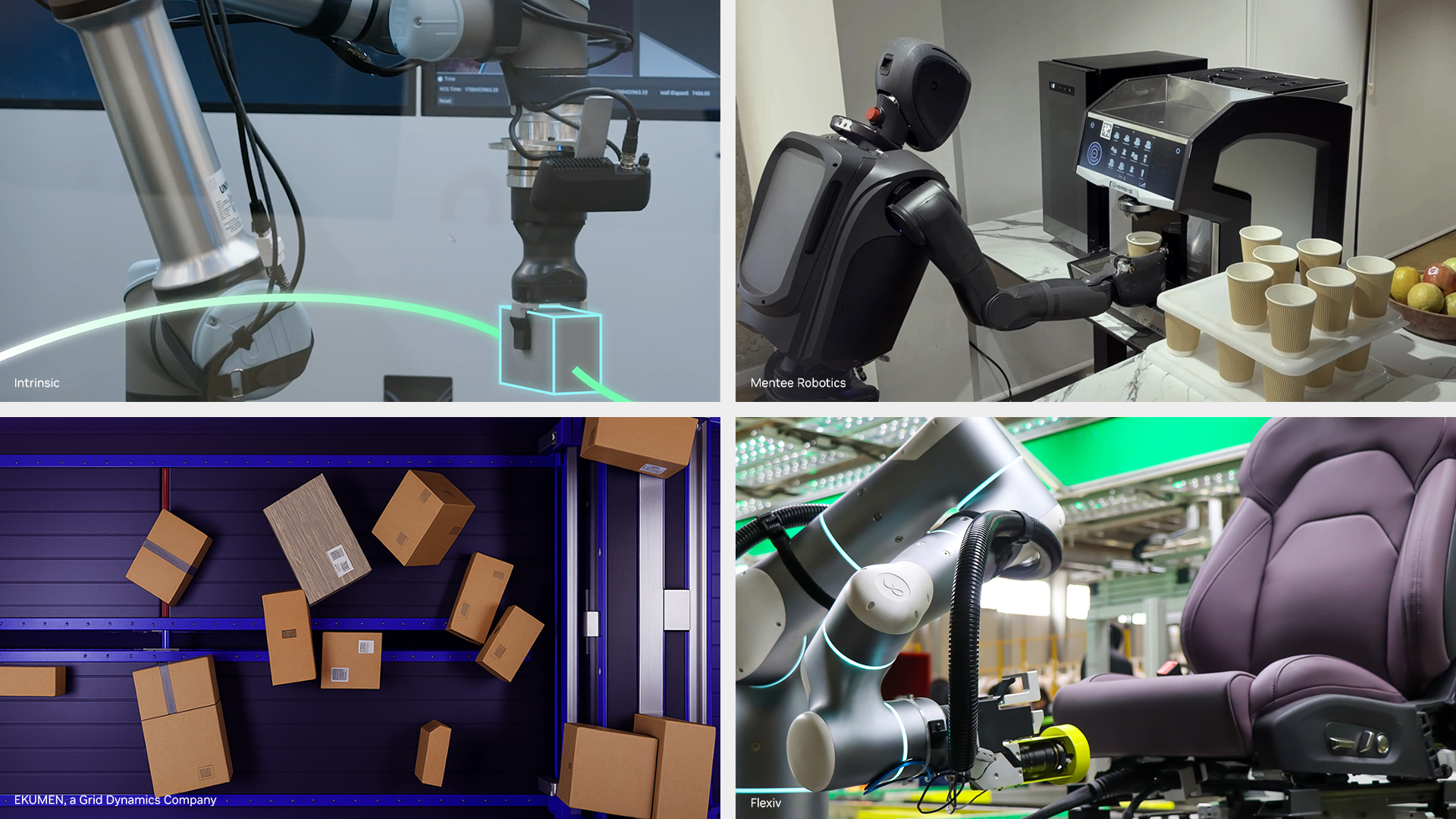
NVIDIA's release of Isaac ROS 5.0 marks a significant escalation in its strategy to dominate the robotics AI stack, moving beyond hardware to solidify its ecosystem grip. By providing GPU-accelerated, open-source packages for the widely adopted Robot Operating System (ROS), NVIDIA is making it prohibitively inefficient for developers to use alternative hardware. This move mirrors Google's Android strategy, creating a default, high-performance software environment that structurally favors its own silicon, directly challenging the nascent market for custom robotics AI accelerators and solidifying its position before competitors can establish a software foothold. The update fundamentally alters the build-versus-buy calculation for robotics companies, from agricultural tech to warehouse automation. By offering pre-optimized packages for complex tasks like visual SLAM and stereo depth estimation, Isaac ROS 5.0 drastically lowers the activation energy for building sophisticated, embodied AI systems on NVIDIA hardware. This creates an asymmetric advantage against rivals like AMD and Intel, who lack a comparable, production-grade robotics software suite. The competitive response must now shift from hardware specs to ecosystem-level warfare, forcing rivals to either build a competing software stack or cede the market. Looking forward, this trajectory suggests a consolidation of the robotics development landscape around NVIDIA's platform, mirroring its dominance in data center AI. The critical variable is how quickly the open-source community adapts and extends these tools versus how effectively competitors can create viable, open alternatives. Over the next 12-18 months, watch for NVIDIA to acquire promising robotics software startups to integrate further capabilities. The real test will be whether this ecosystem lock-in accelerates innovation or stifles hardware competition, effectively making NVIDIA the sole gatekeeper of the next generation of robotics.