NVIDIA’s Vera Rubin Platform Drives 10x AI Cost Reduction
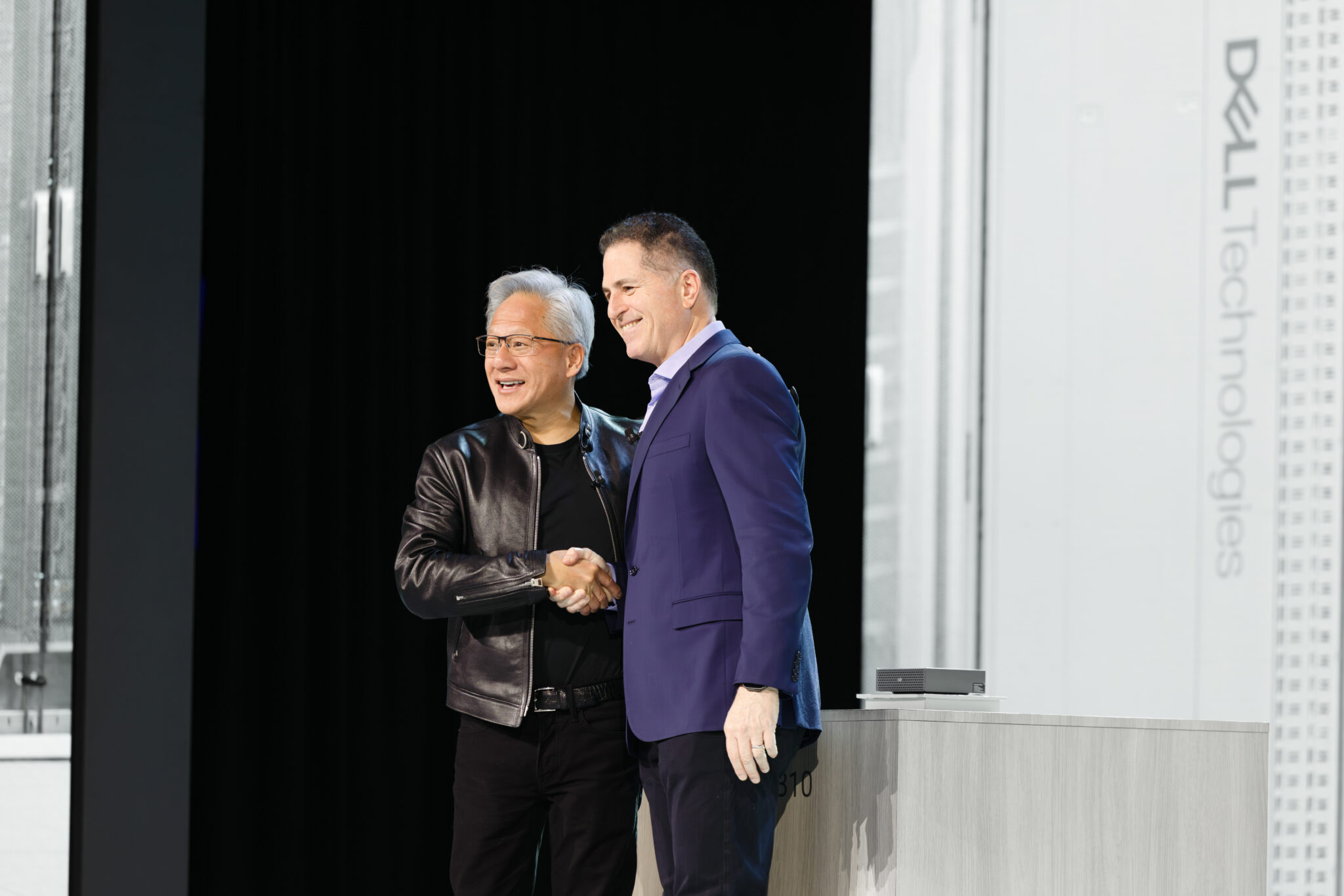
NVIDIA’s unveiling of its Vera Rubin platform at Dell Technologies World is not a mere hardware update; it is a direct assault on the high cost of AI inference, the primary barrier to mass adoption. By promising a tenfold cost reduction for agentic AI, NVIDIA reframes the AI battleground from raw performance to economic viability at enterprise scale. This move strategically coincides with a surge of interest in AI agents from firms like OpenAI and Google, positioning NVIDIA’s silicon as the essential infrastructure for the next, more autonomous, wave of artificial intelligence, shifting the value focus from model training to large-scale operational deployment. The Vera Rubin architecture radically alters the data center calculus by tightly integrating its own high-performance CPU and GPU. This creates a system where agent sandboxes run 50% faster and enterprise data queries are tripled in speed, fundamentally challenging the dominance of traditional CPU providers like Intel and AMD in the enterprise. The primary winners are enterprises, who can now feasibly deploy complex AI agents, and OEM partners like Dell, who become the premier channel for these pre-configured "AI Factories." This forces a strategic recalculation for hyperscalers like AWS and Google, whose custom silicon efforts (e.g., Inferentia, TPU) now face a formidable new cost-performance benchmark. The trajectory this sets is an explosion of agentic AI applications within the next 18-24 months, shifting the enterprise AI paradigm from human-assist "copilots" to autonomous digital workers. The critical variable moving forward is no longer just model capability, but the total cost of ownership for intelligence. Watch for a flurry of enterprise budget reallocations from speculative AI projects toward scalable agent deployments by early 2025. NVIDIA is weaponizing inference economics as its new competitive moat, and the real test will be whether the software ecosystem can build transformative agentic workflows on top of this disruptive cost structure.