NVIDIA Drives Agentic AI to Edge with JetPack 7.2 Release
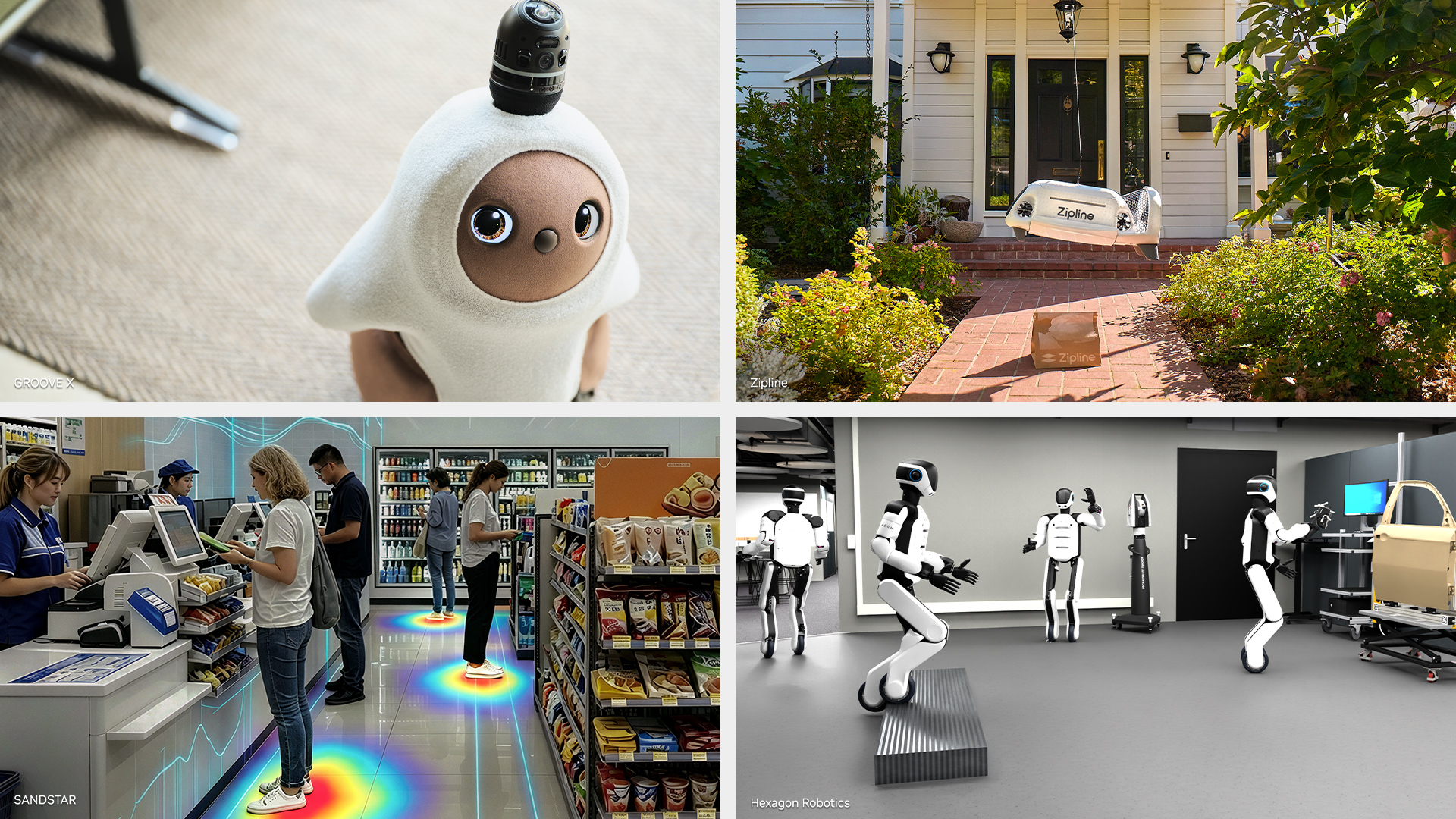
NVIDIA's release of JetPack 7.2 and NemoClaw support for its Jetson platform is a calculated move to extend its data-center dominance to the intelligent edge. Announced at COMPUTEX, this update isn't merely about performance gains; it strategically positions Jetson as the premier development environment for "physical AI" that can perceive, reason, and act. By enabling agentic AI skills directly on edge devices, NVIDIA is challenging the paradigm of cloud-dependent intelligence and directly capitalizing on the industry's pivot towards smaller, on-device language models, seeking to make its hardware the default for the next wave of autonomous systems. The update fundamentally alters the competitive landscape by introducing data-center-grade features like Multi-Instance GPU (MIG) support to the edge. This allows a single Jetson Orin module to securely run multiple, concurrent AI models—a vision model, a navigation stack, and an LLM-based reasoning engine, for example. The primary winners are robotics and industrial automation firms, who receive a standardized, high-performance stack to build sophisticated agents. This creates an existential threat for chip rivals like Qualcomm and Intel, who are now forced to compete beyond raw performance and offer a similarly integrated, cloud-to-edge agentic framework or risk being commoditized. The trajectory this sets is clear: NVIDIA is building the operating system for robotics. Over the next 12-18 months, expect a proliferation of advanced autonomous proofs-of-concept in logistics, retail, and manufacturing, built on this stack. The real test will be the adoption of Yocto project support by major industrial OEMs; if they standardize on it, it signals a long-term ecosystem lock-in. This move aims to create an "iOS moment" for physical AI, making the Jetson platform the essential—and most defensible—component for any intelligent machine that interacts with the physical world.