NVIDIA AI Agents Force Telecom Software Overhaul
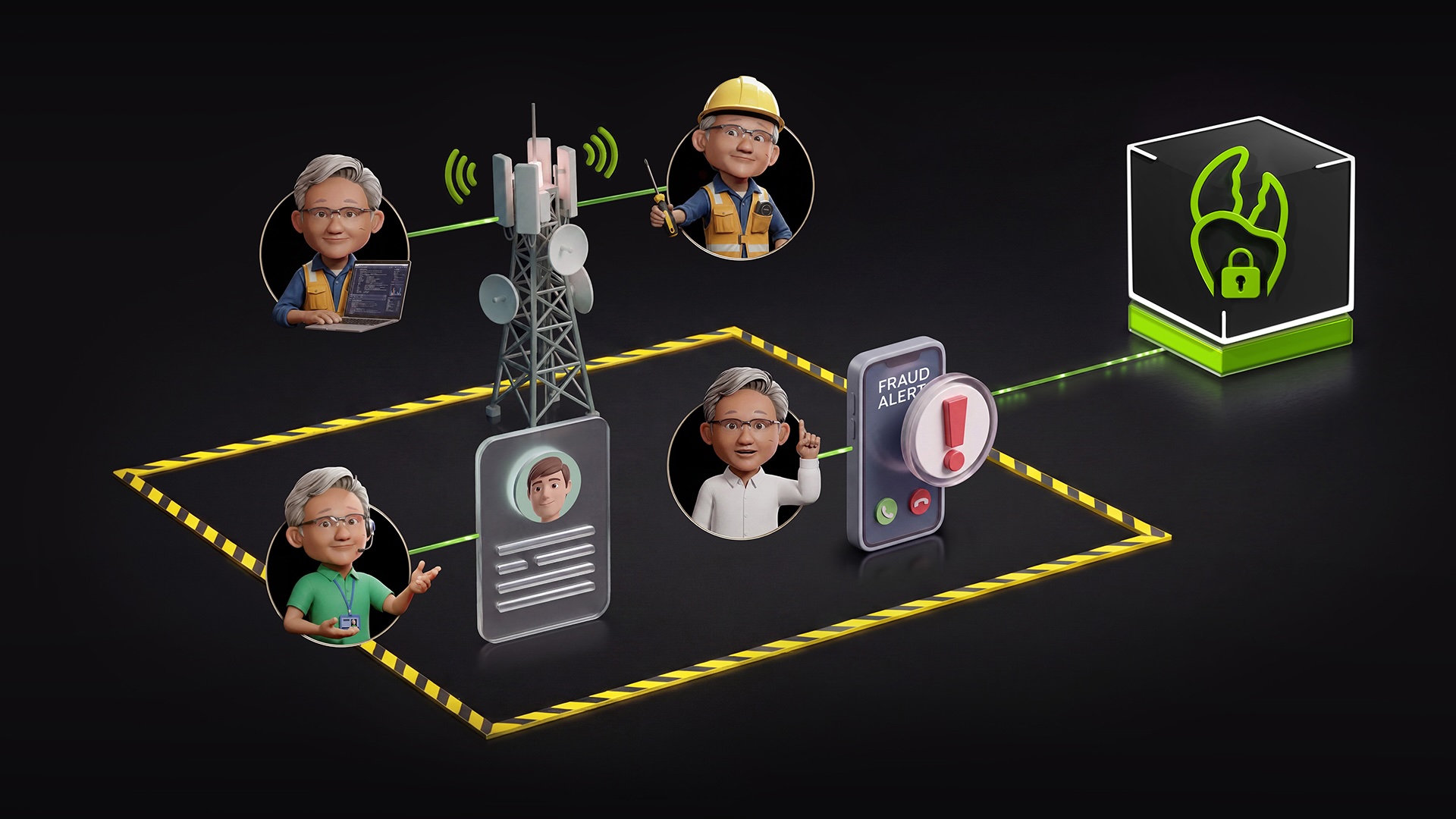
NVIDIA is taking a significant step from task-based automation to full operational autonomy by introducing 24/7 AI agents for the telecom industry. This strategic move reframes generative AI from a cost-saving tool into the core engine for resilient, self-healing networks. It fundamentally alters the trajectory of network management, shifting the model from human-in-the-loop problem-solving to human-on-the-loop supervision of autonomous systems. This escalation comes as telcos, already wrestling with the capital demands of 5G, seek to convert their complex infrastructure into a programmable, AI-driven asset, echoing the software-defined revolution in networking. The initiative works by deploying NVIDIA-powered AI agents capable of predicting and resolving network issues without human intervention, a direct challenge to the incumbency of traditional OSS/BSS providers like Amdocs and Netcracker. The primary winners are vertically integrated operators who can leverage the full hardware and software stack to slash opex and accelerate new service deployment. This creates an asymmetric advantage, exposing the vulnerability of rivals dependent on slower, manual operational workflows. The shift forces a strategic recalculation for the entire vendor ecosystem, which must now compete against the performance of NVIDIA’s silicon-to-agent solution. The long-term implications extend beyond operational efficiency, pointing toward fully autonomous networks that can dynamically allocate resources and launch services based on real-time demand. Within 12-18 months, expect to see the first measurable impacts on key metrics like network uptime and customer churn from early adopters, which will serve as a critical validation point. The real test, however, will not be the technology itself but the industry’s capacity to manage the immense cultural and regulatory shift of ceding critical infrastructure control to AI, making governance, not performance, the ultimate bottleneck to adoption.