NVIDIA’s AI Dominance Cements Its Role as the Robotaxi Kingmaker
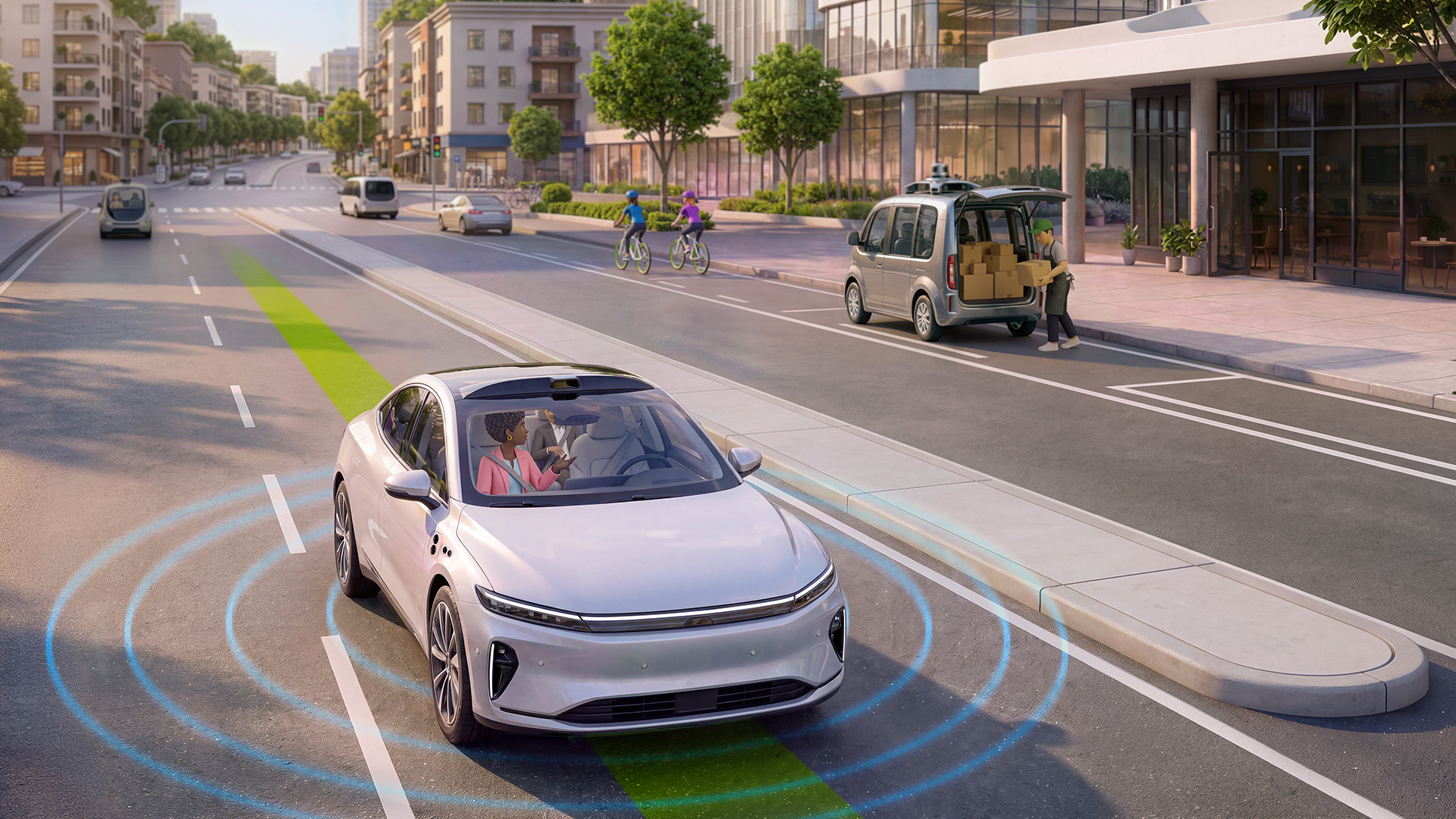
NVIDIA is solidifying its strategic position as the central nervous system for the burgeoning global robotaxi market, projected to hit $400 billion by 2035. By providing the core compute platform (DRIVE Thor) for major players like Didi, Zoox, and Gatik, NVIDIA is ensuring its architecture becomes the de facto industry standard before the market fully matures. This move isn't just about selling chips; it's a calculated strategy to lock in customers at the foundational level, making a future switch to a competitor like Qualcomm or Intel/Mobileye prohibitively complex and expensive, creating a powerful, long-term competitive moat. The strategic genius lies in NVIDIA’s platform-based ecosystem play, fundamentally altering the competitive dynamics for robotaxi operators. While startups gain a massive R&D advantage by building on a unified, scalable architecture, it also makes them deeply dependent on NVIDIA's hardware and software roadmap. This creates an asymmetric advantage for NVIDIA, who reaps the rewards of every autonomous mile driven, regardless of which operator’s vehicle it is. The primary losers are in-house AV compute developers and rival chipmakers, who now face a much higher barrier to entry and are forced to compete on price or niche capabilities. Looking forward, the critical variable is how NVIDIA leverages this entrenched position. Expect a strategic push into selling higher-margin simulation and data-center-level AI training services to its now-captive robotaxi client base within the next 18-24 months. The real test will be whether operators can achieve genuine service differentiation on what is effectively a standardized hardware stack. This trajectory suggests the robotaxi war will be won not on core compute, but on operational excellence, customer service, and the proprietary data collected and processed on NVIDIA’s platforms.