Healthcare AI Transforms Breast Cancer Pathway with NVIDIA's Unified Data Pipeline
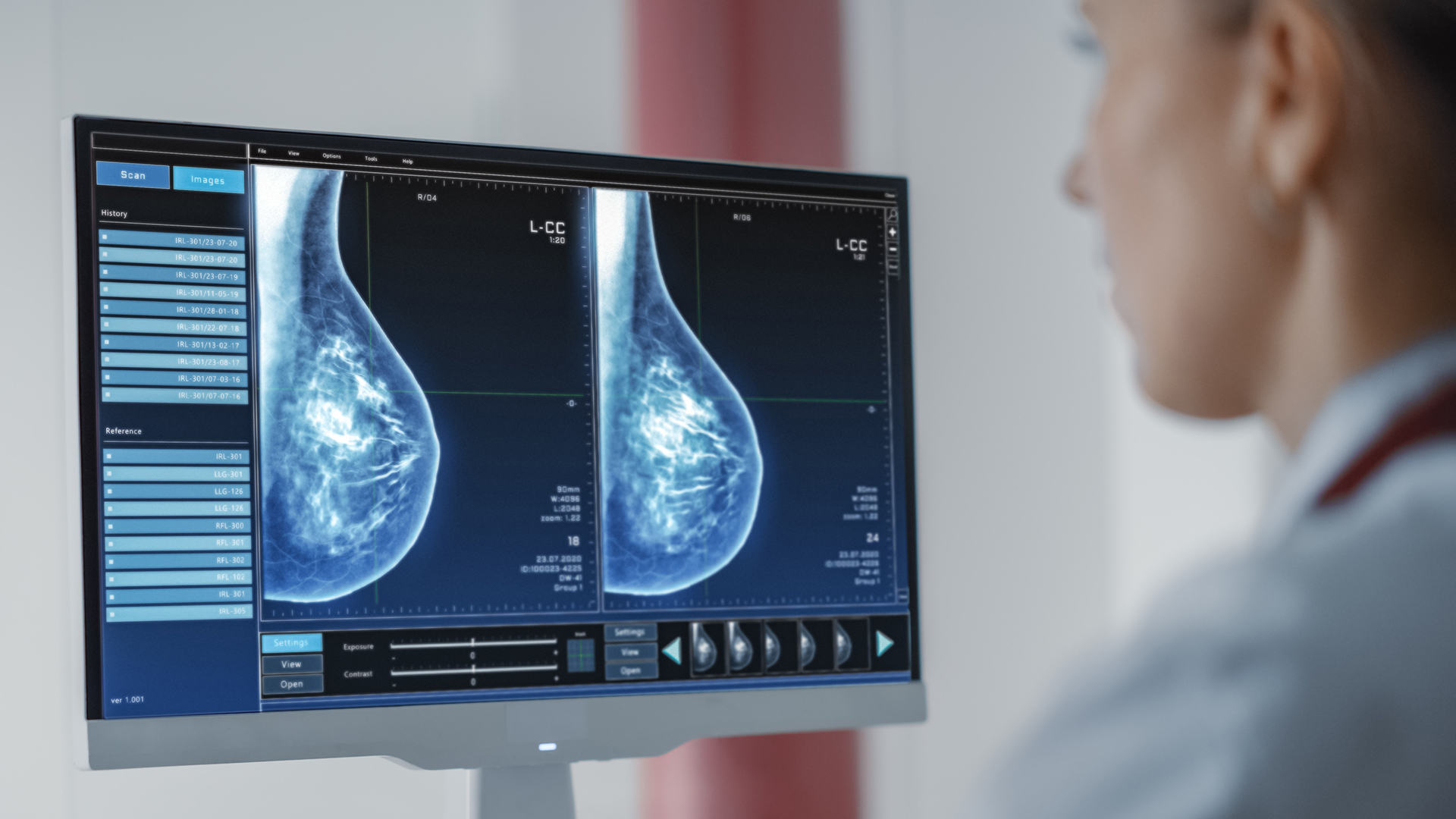
NVIDIA is orchestrating a systemic overhaul of the breast cancer diagnostic pathway, leveraging its AI platform to integrate mammography, pathology, and treatment planning. This initiative moves beyond point solutions by creating a unified data pipeline from scan to therapy, addressing critical delays and workforce shortages that plague current oncology workflows. By positioning its full-stack hardware and software as the underlying infrastructure, NVIDIA is reframing the problem from a series of disconnected tools into a single, addressable data-centric challenge, directly competing with the siloed systems prevalent in healthcare IT. The strategic mechanics involve creating a flywheel effect where more data from diverse sources—like the 2.5 million mammograms from the Karolinska Institute—improves the accuracy of AI models for partners like Paige and Droice Labs. This data network effect creates a significant barrier to entry for competitors. The primary losers are legacy health IT vendors like Epic and Cerner, whose closed systems are ill-suited for this kind of cross-modality data fusion. Winners include startups in the NVIDIA Inception program, who gain access to a massive, curated data ecosystem and a ready-made deployment platform via MONAI and Clara. The forward-looking implication is the creation of a "diagnostic-as-a-service" model where hospitals plug into NVIDIA’s ecosystem instead of building bespoke AI stacks. The critical variable will be regulatory acceptance and data interoperability with existing electronic health record systems. Over the next 18-24 months, watch for NVIDIA to pursue similar ecosystem plays in other data-intensive fields like cardiology and neurology. This trajectory suggests a future where the value shifts from individual diagnostic tools to the underlying platform that aggregates and interprets the data.