NVIDIA Repositions AI Focus: From Raw Compute to Token Efficiency
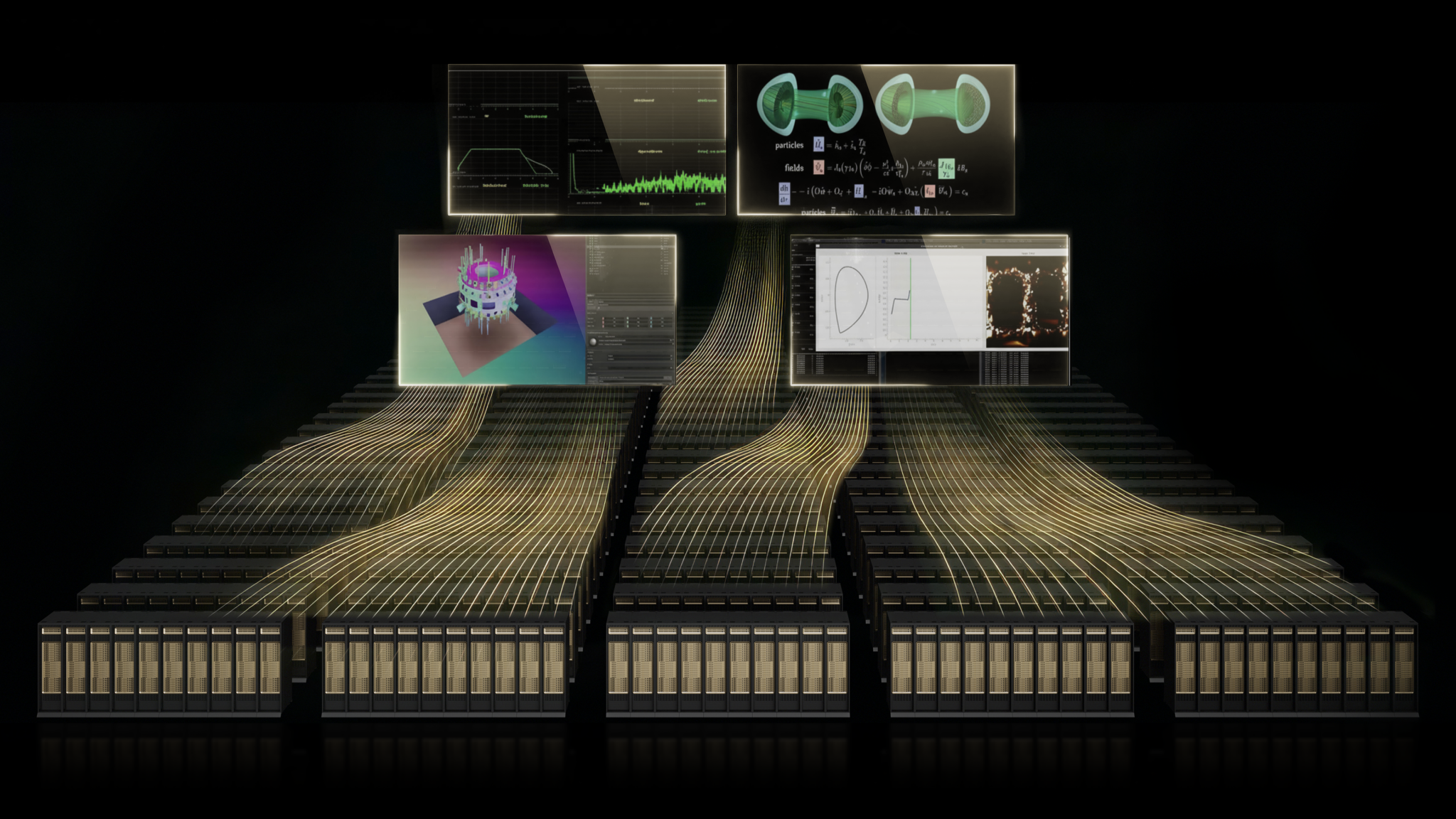
NVIDIA's strategic framing of 'AI Factories' marks a pivotal shift in the AI landscape, moving the primary economic driver from raw computational power to token generation efficiency. This narrative pivot, emphasizing performance-per-watt and cost-per-token, is a direct response to the unsustainable operating costs of large-scale models and signals the industry's maturation from speculative research to industrialized production. It explicitly targets the next wave of enterprise adoption, where autonomous, agentic AI systems require predictable, utility-grade economics to become viable. This mirrors the cloud computing shift from server ownership to on-demand CPU cycles. The mechanics of this vision position NVIDIA as the primary beneficiary, as it supplies the full, integrated stack—from GPUs and NVLink to CUDA and Triton—required to build a hyper-efficient 'token factory.' This fundamentally alters the competitive landscape by creating a significant moat based on holistic system optimization, not just silicon performance. Winners are entities that can afford full-stack adoption: hyperscalers, sovereign AI initiatives, and large enterprises. Losers will be organizations relying on fragmented, sub-optimal hardware and software stacks, who will face punishingly high operational costs and find themselves unable to compete on a cost-per-token basis. Looking forward, this framework will force a strategic recalculation across the ecosystem. Within 12 months, expect cloud providers like AWS and Azure to launch 'AI Factory' branded services built on NVIDIA's blueprint, abstracting the complexity for smaller enterprises. The critical variable is whether an open-source alternative stack can emerge to challenge NVIDIA's dominance in performance-per-watt. This trajectory suggests the infrastructure layer is consolidating, forcing the next true competitive frontier to move up the stack to the development of specialized, efficient AI agents that can leverage this new industrial base.