NVIDIA Drives US AI Infrastructure Post-CHIPS Act
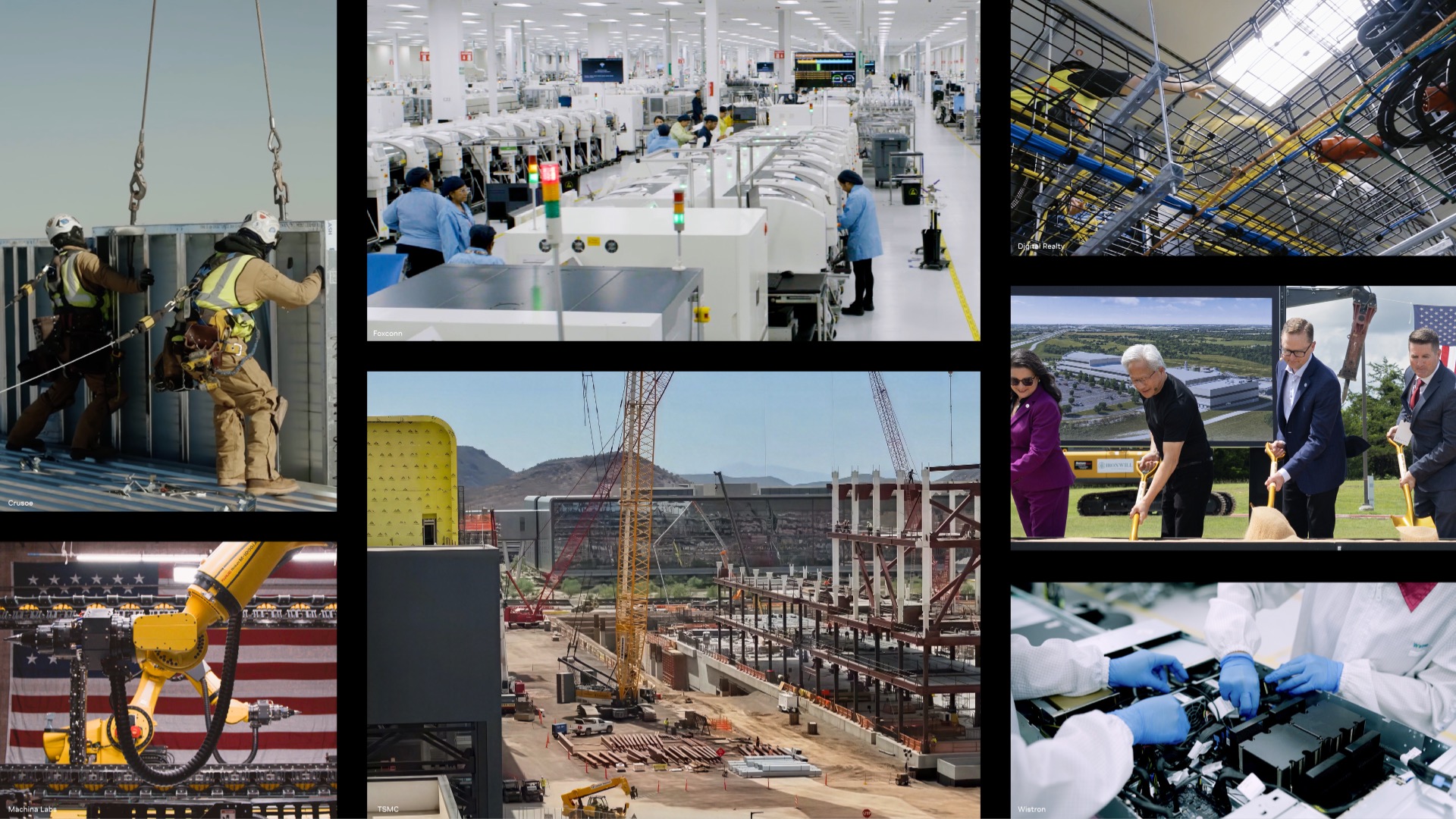
NVIDIA's announcement of a broad investment in a U.S.-based AI infrastructure ecosystem is a significant strategic pivot, driven by escalating geopolitical tensions and the tailwinds of the CHIPS Act. This move frames control over the AI supply chain as a matter of national security and economic leadership, transforming NVIDIA from a fabless chip designer into the orchestrator of a sovereign-grade technology stack. In a landscape where competitors like AMD and Intel are also vying for federal support, NVIDIA’s initiative is designed to create an unparalleled moat by aligning its dominant market position with U.S. industrial policy, setting a new competitive baseline. The mechanics of this strategy extend far beyond chip manufacturing, creating an ecosystem that integrates server partners like Dell, data center operators such as CoreWeave, and energy grid specialists. This fundamentally alters the value chain, making partners within this U.S.-based network the primary beneficiaries and disadvantaging overseas manufacturing hubs. For rivals like AMD and Intel, this forces a strategic recalculation: they must now compete not just on the merits of their silicon, but against an entire, politically-backed domestic ecosystem. NVIDIA is leveraging its 80%+ market share in AI accelerators to dictate the terms of supply chain localization. Looking ahead, this initiative heralds a potential bifurcation of the global AI technology stack, creating a premium for U.S.-sovereign AI infrastructure. Within 12-18 months, expect to see explicit "Made in America" requirements for sensitive government and enterprise AI contracts, solidifying NVIDIA's advantage. The critical variable will be whether the operational costs of this domestic ecosystem can be managed without creating an excessive price premium that stifles adoption. The real test is if NVIDIA can make its U.S.-centric supply chain not just a patriotic choice, but a competitively logical one for the broader market, effectively turning industrial policy into a powerful, long-term competitive weapon.