NVIDIA Targets AI PC Dominance Via Gamer Adoption
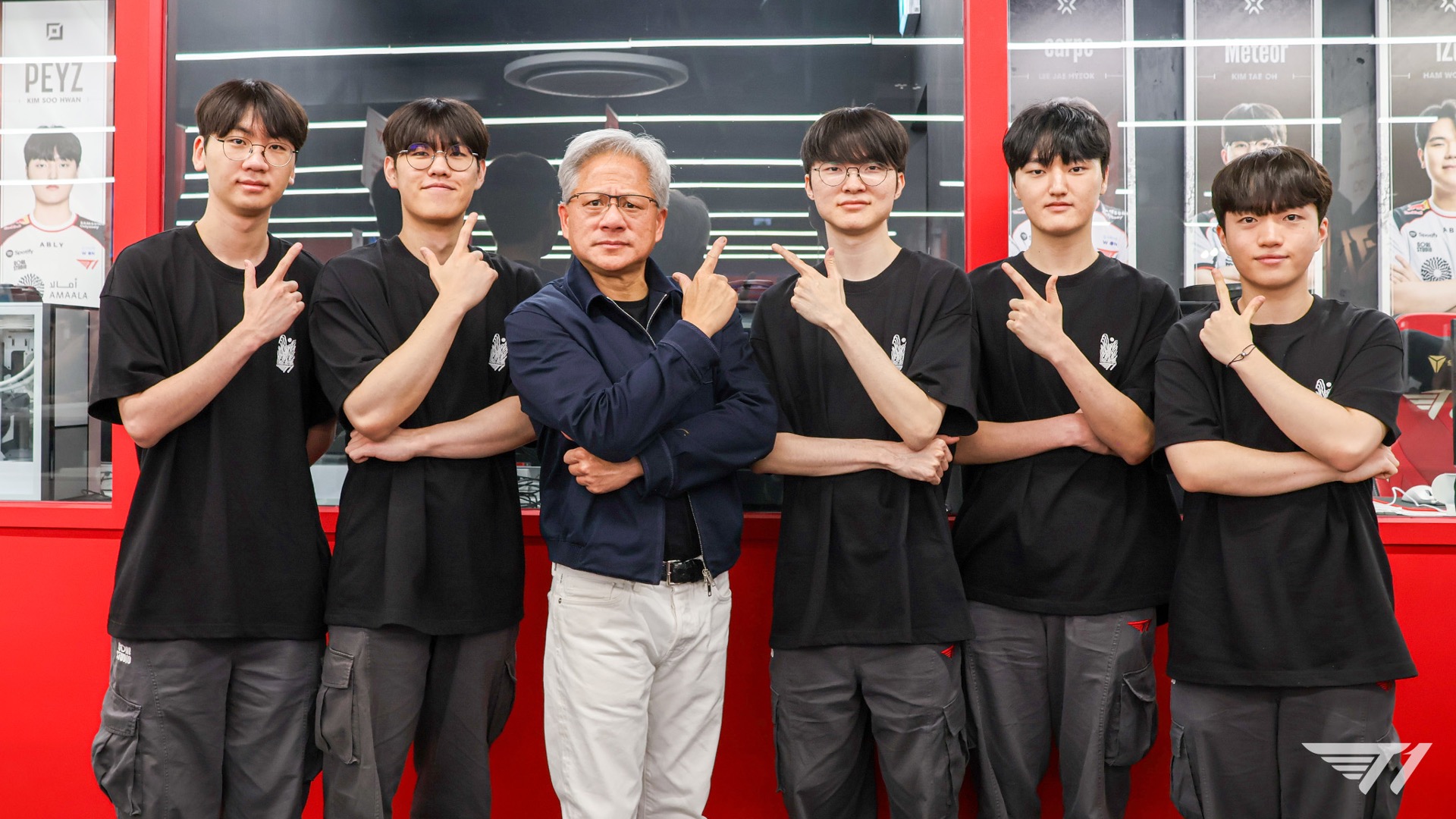
NVIDIA's launch of the RTX Spark "superchip" is far more than a hardware debut; it's a strategic maneuver to define and dominate the nascent "AI PC" market by bypassing traditional enterprise channels. By promoting the chip directly to South Korea's influential PC Bang gaming culture with partners like KRAFTON and NCsoft, NVIDIA is seeding its architecture in a technically demanding and culturally powerful ecosystem. This move directly challenges forthcoming AI PC roadmaps from Intel and AMD, aiming to establish the GPU as the default processing core for on-device AI before competitors can build a compelling software narrative around their own NPUs. The core mechanic of this strategy is to leverage NVIDIA's existing dominance in high-end gaming as a Trojan horse for its broader AI ecosystem. By incentivizing developers to build exclusive AI-driven features—from advanced NPCs to dynamic environments—optimized for RTX Spark, NVIDIA creates a powerful content moat. This fundamentally alters the competitive landscape, forcing rivals to compete not just on hardware specs but against a growing library of exclusive AI experiences. The primary losers are AMD and Intel, whose own AI software stacks are less mature and now face a steep battle for developer mindshare in a critical, trend-setting market. This trajectory suggests a calculated fracturing of the Windows PC market over the next three years. In the short term, expect a wave of "RTX-Enhanced AI" branding in games by mid-2025, solidifying the chip's gaming credentials. The true test will be whether this installed base attracts non-gaming AI application developers by 2026, starving rival platforms of critical momentum. NVIDIA isn't just launching a chip; it's executing a long-term strategy to make its architecture the de facto standard for personal AI, potentially relegating the CPU to a secondary, commoditized role in the process.