Nvidia Pushes Beyond Chips to Challenge Europe's Automation Giants
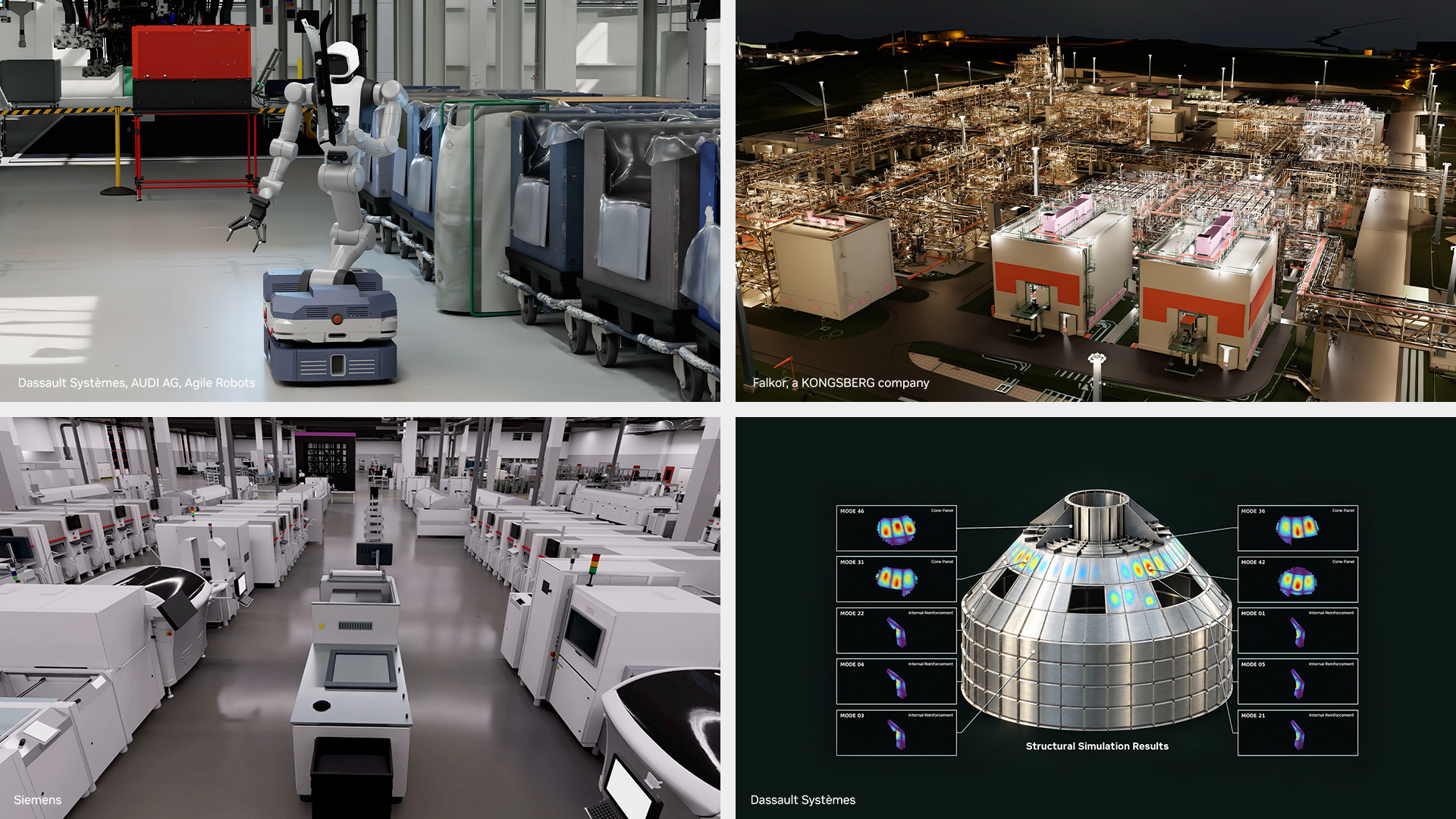
NVIDIA's deployment of its Factory Operations Blueprint (FOX) alongside Cosmos and Nemotron models across Europe’s industrial sector signals a decisive pivot from silicon vendor to overarching industrial operating system provider. By embedding CUDA-X and Omniverse libraries directly into the European manufacturing lifecycle, NVIDIA is aggressively capitalizing on the continent's urgent mandate to digitize aging industrial infrastructure amid intense global competition. This deployment transforms abstract AI capabilities into concrete, facility-level operational architectures, effectively sidestepping traditional IT bottlenecks to directly influence shop-floor economics and production sovereignty. The strategic integration of Omniverse with open models like Nemotron fundamentally alters the balance of power in industrial automation, creating severe headwinds for legacy operational technology (OT) providers like Siemens, Dassault Systèmes, and SAP. By providing a unified physics-aware simulation and generative AI stack, NVIDIA effectively commoditizes the proprietary middleware these European stalwarts have historically relied upon to lock in enterprise clients. The immediate winners are mid-market European manufacturers who gain asymmetric access to hyperscale-grade digital twin capabilities previously restricted to multi-billion-dollar aerospace and automotive conglomerates, aggressively leveling the continental manufacturing playing field. Looking ahead to the next 18 months, the critical variable is the adoption rate of NVIDIA’s FOX architecture as a de facto standardization layer across cross-border European supply chains. This trajectory suggests an impending consolidation phase where factory automation startups must either integrate natively with Omniverse or face immediate obsolescence. Ultimately, NVIDIA’s strategy exposes a profound vulnerability in European tech sovereignty: while the EU heavily regulates localized AI data, its core physical manufacturing output is now becoming structurally dependent on a single American architectural standard to maintain global cost competitiveness and operational viability.