NVIDIA's High-End GPUs Prioritize AI, Shift From Consumer Focus
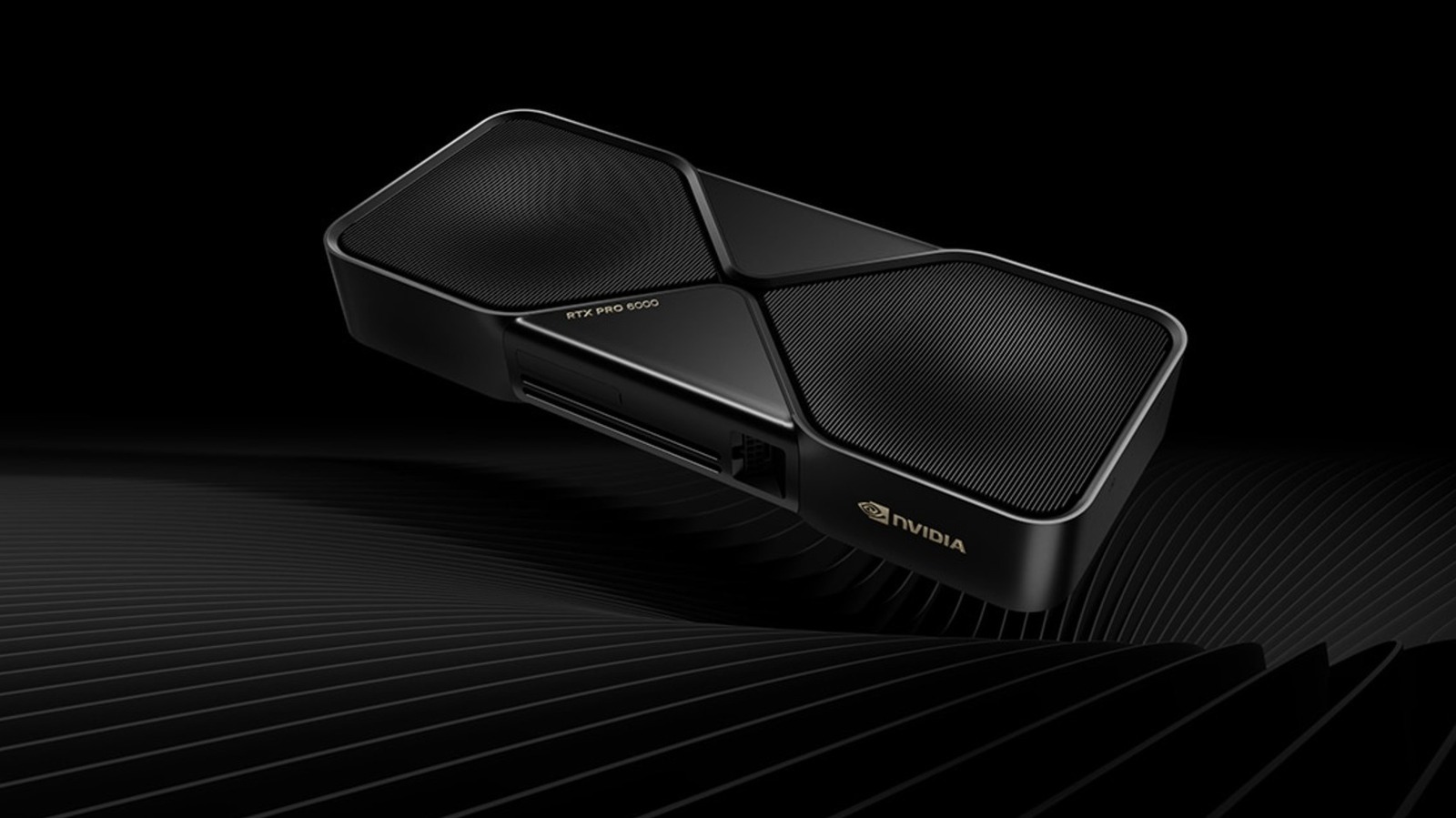
NVIDIA is solidifying its strategic pivot from consumer gaming to high-margin professional and enterprise markets by making its most powerful GPUs, like the $16,000 RTX PRO 6000, virtually exclusive to professional channels. This move isn't just about product segmentation; it's a deliberate resource allocation strategy that starves the consumer top-end to fuel the insatiable demand in AI and professional visualization. This mirrors the broader industry trend where specialized compute, not generalized performance, dictates market leadership, forcing a strategic recalculation for competitors focused on the increasingly commoditized gaming sector. This bifurcation strategy creates a significant moat for NVIDIA. By channeling its best silicon and VRAM configurations into the pro line, it forces enterprise clients to pay a steep premium for performance and stability, a market where AMD's Radeon PRO and Intel's Arc Pro series have yet to establish comparable trust or ecosystem depth. This creates a winner-take-most dynamic in verticals like media production, engineering, and scientific computing, where workflow certification and driver stability are non-negotiable. Gamers lose access to ultimate performance, but NVIDIA wins by maximizing revenue per silicon die. The critical long-term implication is the potential for a permanent decoupling of gaming and professional GPU architectures. Within 12-24 months, we can expect NVIDIA to introduce features in its pro-level drivers and hardware that have no consumer equivalent, further widening the value gap. The real test will be whether AMD can exploit the consumer enthusiast backlash by positioning a top-tier RDNA GPU as the "uncompromised" gaming flagship. This trajectory suggests a future where the highest-end consumer card is architecturally a generation behind its professional-grade counterpart.