Nvidia Dominance Skews S&P 500 Health, Citing AI Concentration Risk
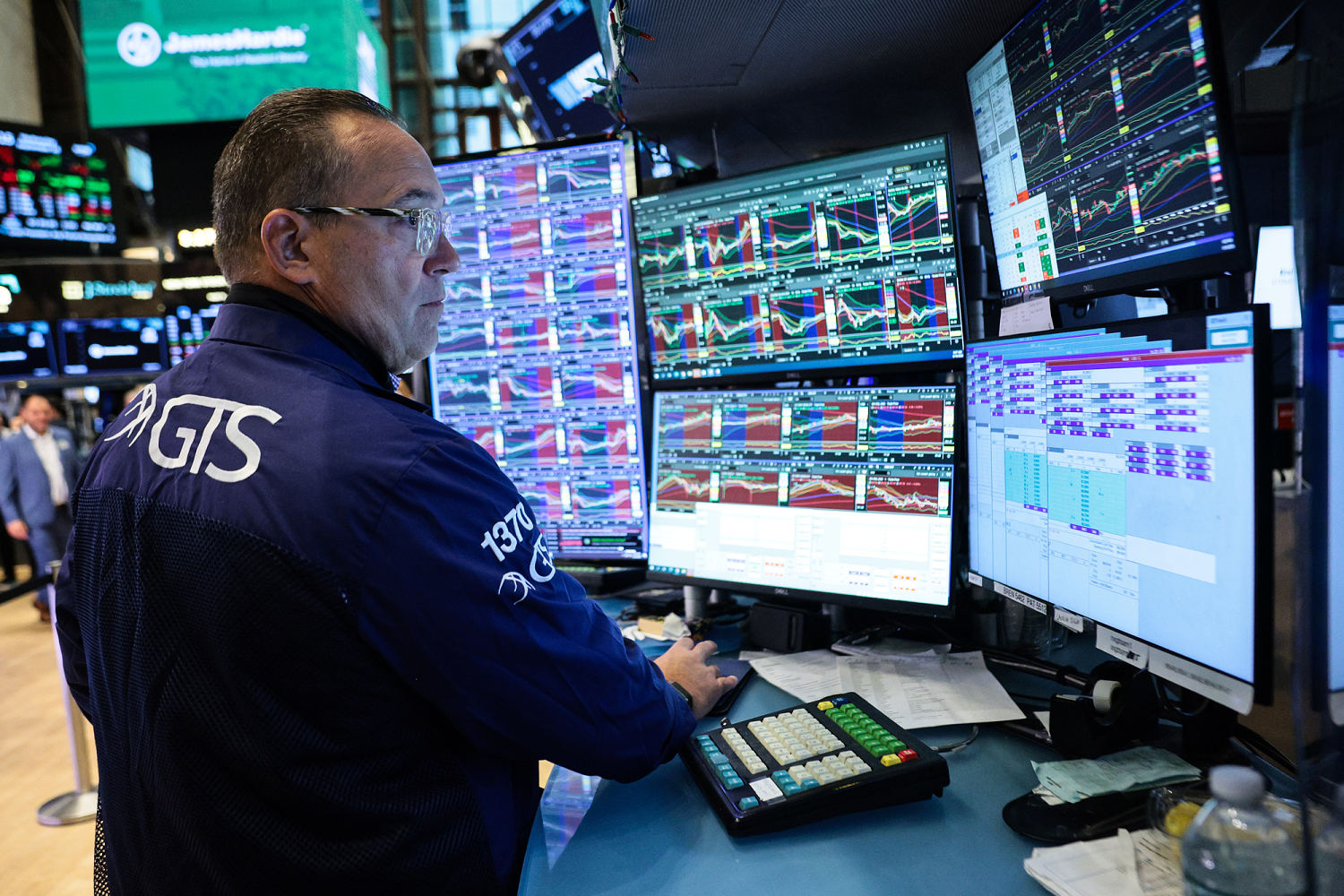
The S&P 500's recent record high, ostensibly a sign of broad market health, is in reality a reflection of extreme concentration in a single stock: Nvidia. While investors celebrate milestones, this masks a dangerous narrowing of market breadth, creating a precarious dependency on the AI hardware sector. This situation mirrors the lead-up to the dot-com bubble, where a handful of tech darlings dictated market trajectory, but now the concentration is amplified by the capital-intensive nature of AI infrastructure, making the entire index vulnerable to shocks in one company’s supply chain or competitive standing. The dynamic creates a bifurcated market. For Nvidia, its ~$6T valuation provides a nearly insurmountable capital advantage, allowing it to forward-buy entire semiconductor fabrication nodes and starve competitors like AMD and Intel of next-gen capacity. This forces rivals into a reactive, lower-margin position. Meanwhile, non-tech sectors within the S&P 500 face capital flight as investors chase momentum, effectively becoming a funding source for the AI boom rather than beneficiaries of it. This asymmetric capital allocation fundamentally distorts traditional diversification strategies and exposes a systemic vulnerability to any hiccup in Nvidia’s execution. Looking forward, the critical variable is not Nvidia’s next earnings report, but the capital expenditure plans of its largest customers—Microsoft, Google, and Amazon. Any reduction in their GPU procurement signals a peak. Within 12-18 months, this concentration will force index fund managers to confront tracking error risks, potentially leading to the creation of ex-Nvidia index products. The real test will be whether the broader market can decouple and find new growth drivers before a correction in the AI hardware space triggers a systemic downturn, a test it is currently failing.