Nvidia CEO's AI Push Dictates Industry Pace, Tests Regulators
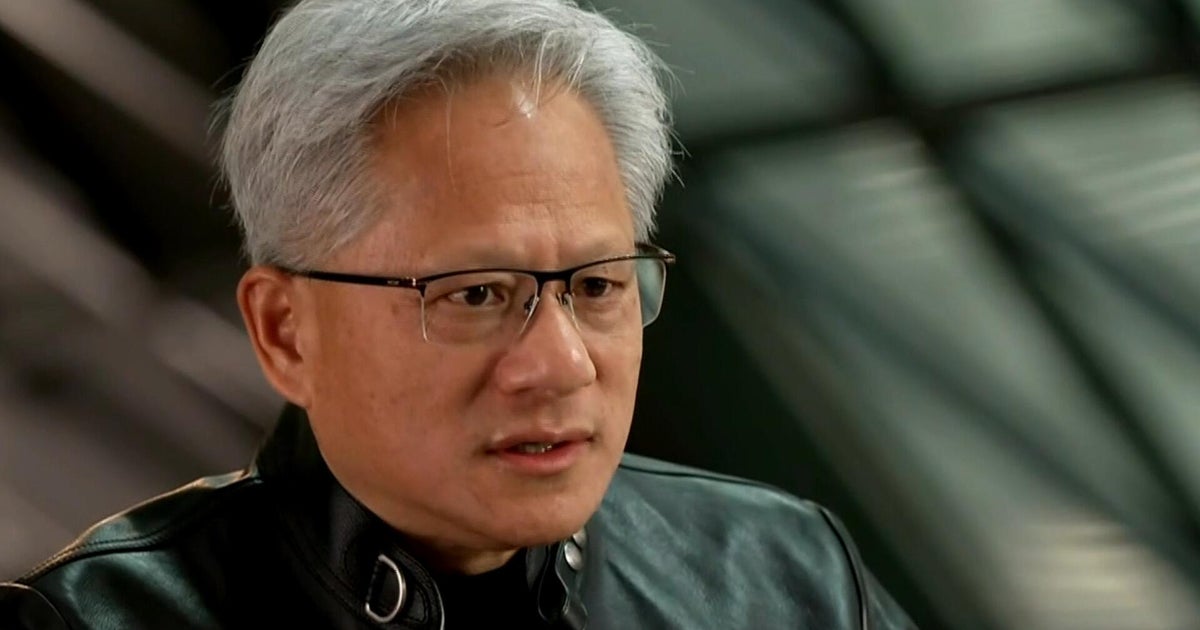
Nvidia CEO Jensen Huang's public directive to accelerate AI development "as fast as we can" is a direct challenge to the burgeoning "AI safety" movement and a strategic power play to consolidate market dominance. Coming just as competitors like AMD and Intel are ramping up their own AI chip roadmaps, Huang's statement isn't just commentary; it's an attempt to frame the innovation narrative, equating speed with competitive necessity. This move aims to solidify Nvidia's position as the primary engine of the AI revolution, implicitly marginalizing calls for a slowdown as a threat to progress and economic advantage. Huang's declaration fundamentally alters the risk calculation for the entire AI hardware and software ecosystem. For cloud providers like AWS, Azure, and Google Cloud, this signals an even more aggressive and costly upgrade cycle for GPU infrastructure, cementing their dependence on Nvidia's release schedule. For rival chipmakers, it creates an asymmetric advantage for the incumbent, forcing them to burn capital to close the performance gap while Nvidia dictates the pace. This creates a high-stakes game where keeping up with Nvidia's velocity becomes the price of entry, favoring scale and capital over architectural innovation alone. The forward-looking implication is a potential bifurcation of the AI industry into two camps: a "velocity" faction led by Nvidia, focused on relentless performance scaling, and a "verification" faction, advocating for auditable, slower-paced development. The critical variable over the next 12-18 months will be whether major AI labs like OpenAI and Anthropic align with Nvidia's accelerated roadmap or heed regulatory pressures for caution. This trajectory suggests that the AI supply chain may fracture, with national security and enterprise risk management becoming the new battlegrounds for market share, not just raw compute power.