NVIDIA Fortifies Korea Ties Amid US Chip Controls
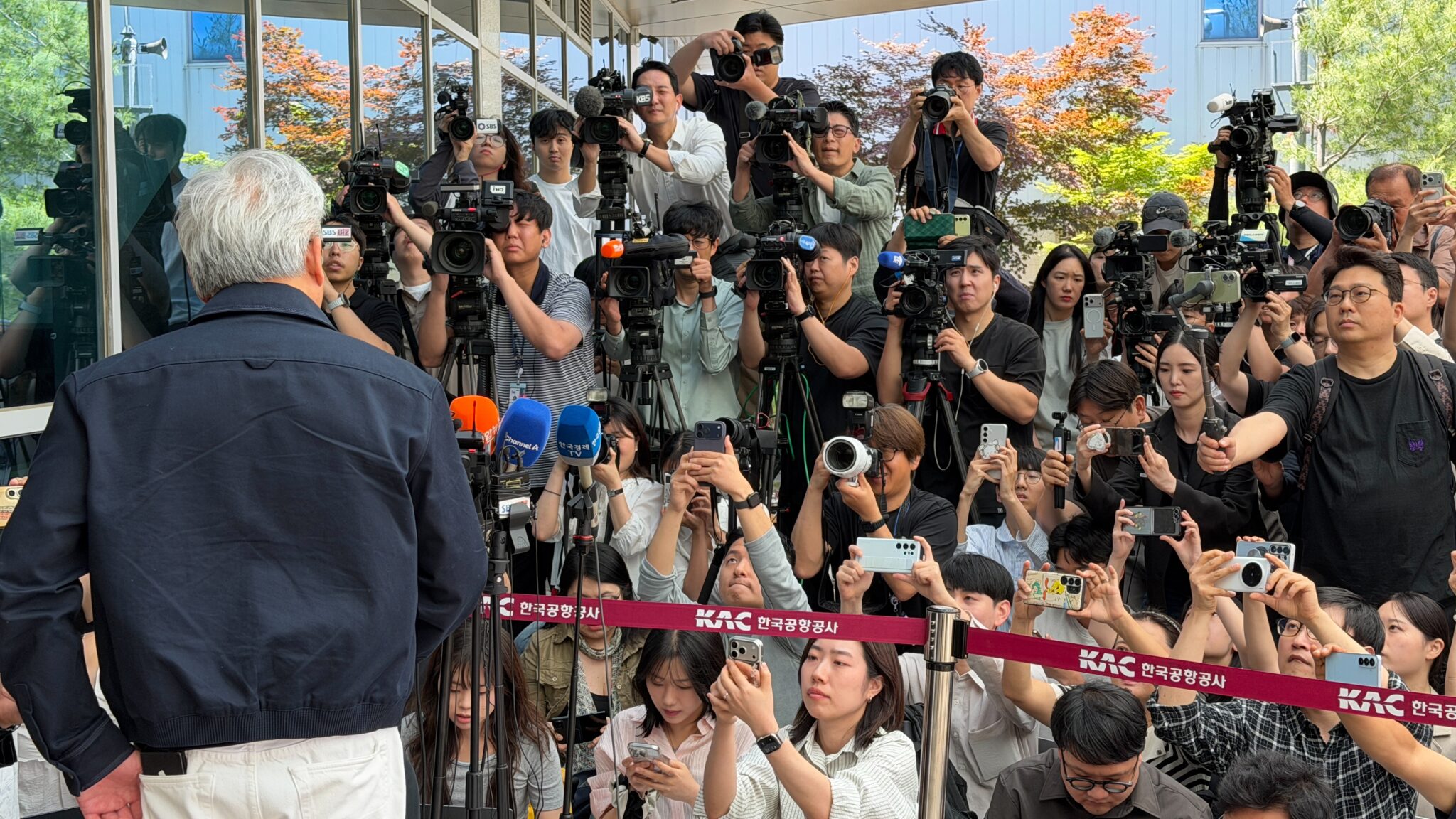
NVIDIA CEO Jensen Huang’s visit to Seoul is a pivotal move in the global AI hardware race, aimed at fortifying a critical supply chain beyond mere photo-ops. With US restrictions tightening the flow of advanced technology, securing the South Korean semiconductor ecosystem—home to HBM memory giants Samsung and SK Hynix—is a strategic imperative. This isn't just about sourcing components; it's about building a geopolitical and manufacturing moat in a high-stakes environment, directly responding to global efforts to de-risk and re-shore critical technology production. Huang’s diplomacy preemptively secures the one resource—high-bandwidth memory—that will dictate leadership in the next generation of AI infrastructure. This high-level engagement fundamentally alters the supply chain calculus, creating an asymmetric advantage for NVIDIA while putting immense pressure on its rivals. By pursuing deep partnerships for next-gen HBM3 and HBM4 memory, NVIDIA is attempting to lock in preferential access and co-development roadmaps. The primary winners are NVIDIA, which mitigates its biggest supply vulnerability, and the Korean suppliers, who secure a high-volume anchor client. The clear losers are competitors like AMD and hyperscaler-led silicon projects, who will now face an even tighter, more expensive market for the memory essential to compete at the high end, forcing a strategic recalculation of their hardware roadmaps. The forward-looking implication is the formation of a deeply integrated, US-allied hardware bloc centered on NVIDIA’s architecture and Korea’s manufacturing prowess. The critical variable to watch in the next 6-12 months will be the capex announcements from Samsung and SK Hynix for their HBM lines and whether any supply agreements with NVIDIA contain exclusivity clauses. This trajectory suggests a future where AI leadership is determined not just by chip design, but by control over a tightly-knit, politically-aligned supply web. The real test will be whether this concentration of power invites antitrust scrutiny or becomes the blueprint for Western AI industrial policy.