NVIDIA Drives Embodied AI OS Ambition with Foundational Models
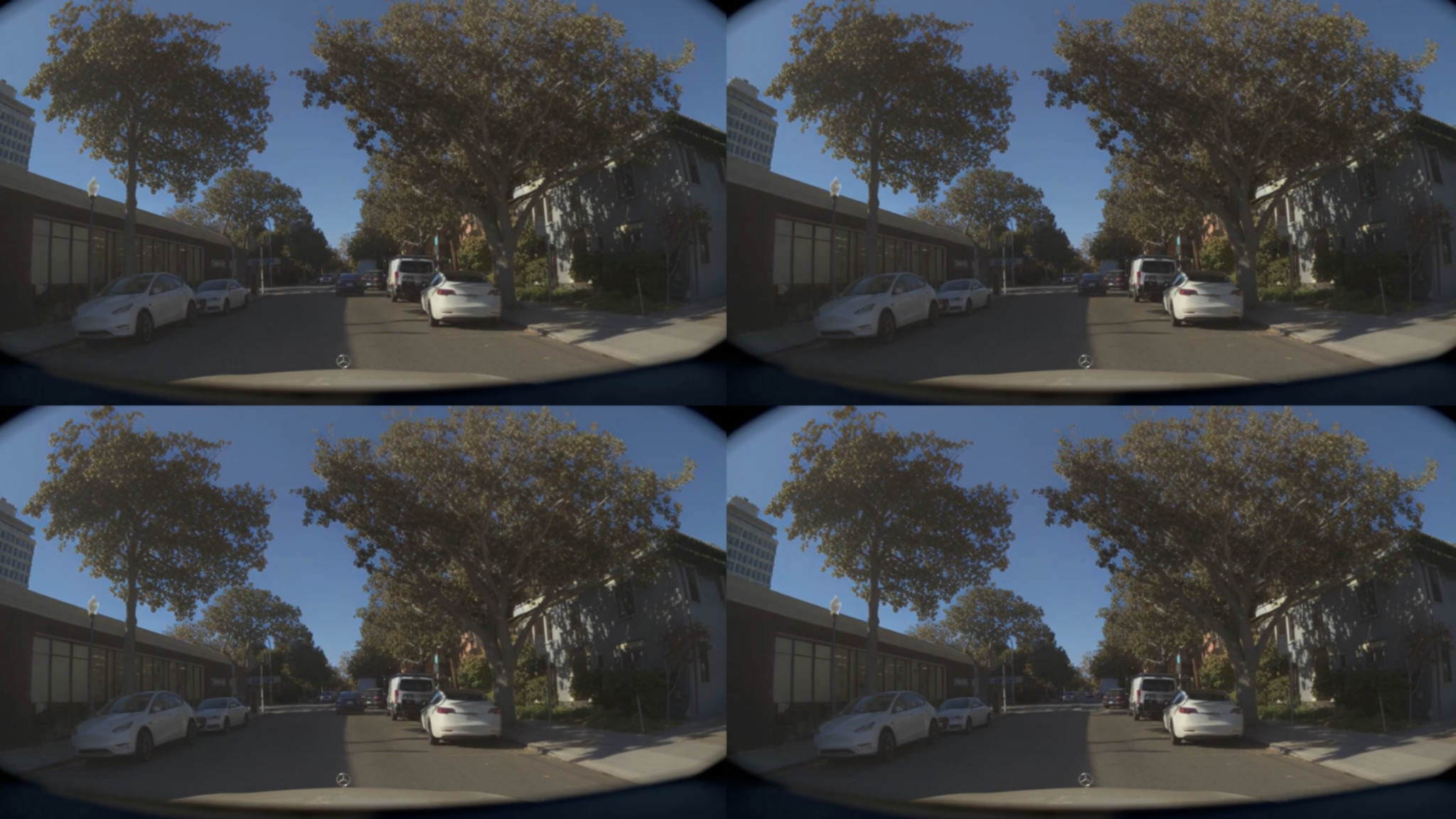
NVIDIA Research's latest advancements in generalizable AI for robotics and autonomous systems are a direct strategic offensive to extend its dominance from silicon to the entire embodied AI software stack. By releasing foundational models for complex tasks like dextrous manipulation and multi-agent autonomous vehicle reasoning, NVIDIA is not merely sharing research; it is aggressively seeding the market to make its Omniverse simulation platform the indispensable development environment. This move parallels the broader industry push, seen with Google's RT-2, to translate large-model intelligence into physical action, fundamentally shifting the competitive landscape from pure hardware performance to platform-level control. The core mechanism behind this push is the strategic use of large-scale, physically accurate simulation to generate synthetic data, bypassing the bottleneck and expense of real-world data collection. This fundamentally alters the development economics for robotics and AVs. The clear winners are startups and enterprises within NVIDIA's ecosystem, who gain access to foundational intelligence that dramatically lowers R&D costs. The losers are companies committed to proprietary, vertically integrated stacks like Tesla, whose data-gathering advantage is now challenged by NVIDIA’s brute-force simulation capabilities. This forces a strategic recalculation for any company building intelligent machines outside of NVIDIA’s orbit. Looking forward, this initiative is poised to consolidate the fragmented robotics software market around NVIDIA's platform within the next 36 months. The immediate effect will be an acceleration of AI capabilities for hardware-focused companies, but the second-order consequence is a potential lock-in to the NVIDIA ecosystem. The critical variable will be the "sim-to-real" transfer effectiveness; high-profile failures in real-world deployments could slow adoption. The real test is not benchmark performance, but whether NVIDIA can become the default OS for the coming wave of autonomous systems, moving beyond chips to own the intelligence layer itself.