NVIDIA's Open-Source Toolkit Reshapes Healthcare AI Development
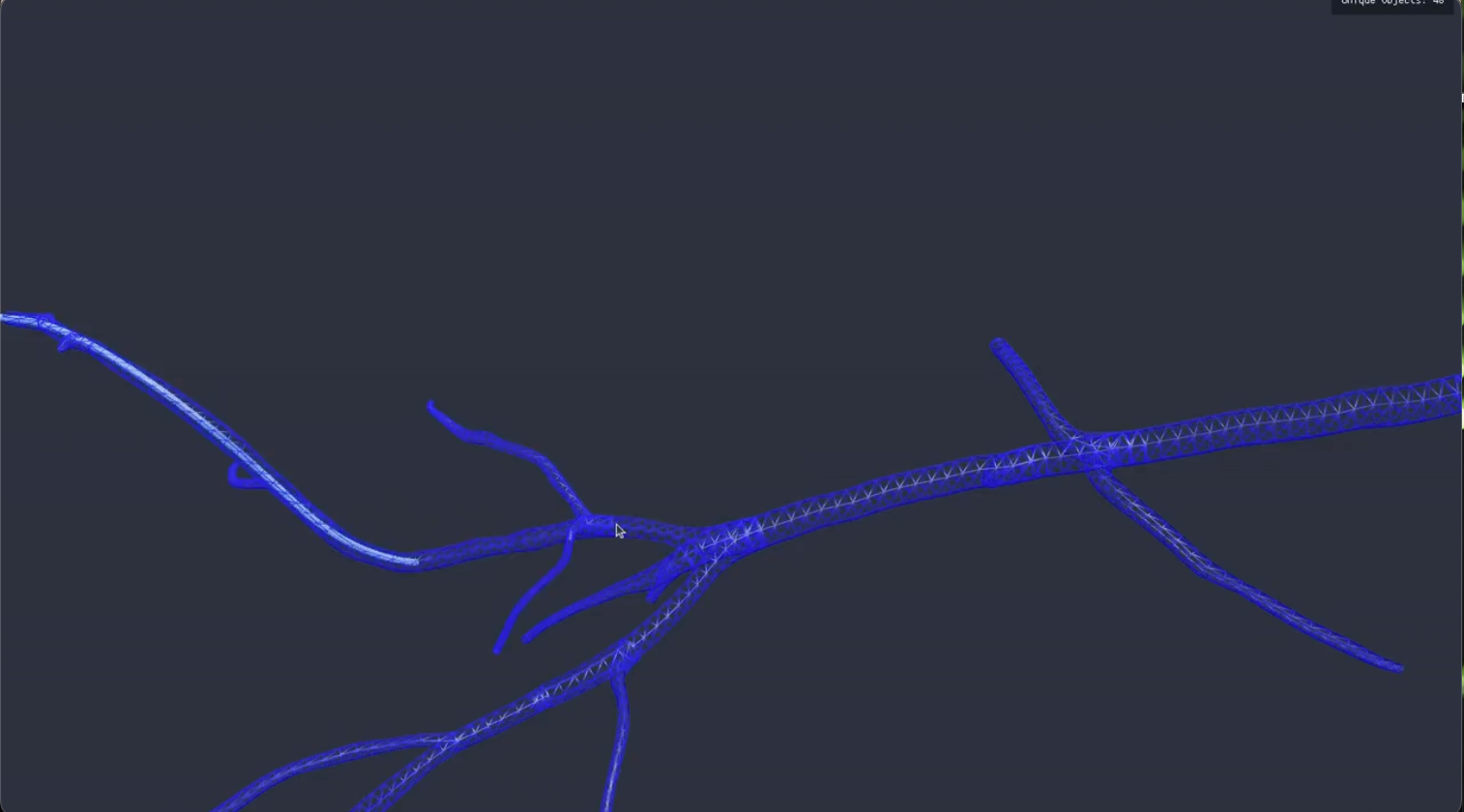
NVIDIA's release of its first open-source, GPU-accelerated medical physics simulation framework is a strategic move to establish its hardware as the bedrock of the next generation of healthcare AI. This directly addresses the primary bottleneck in medical robotics development: the slow, costly, and risky process of training models to interact with the complexities of human anatomy. By standardizing high-fidelity simulation, NVIDIA is not just enabling startups but is shifting the entire development paradigm from physical trial-and-error to in-silico validation, a trajectory recently validated in high-stakes fields like autonomous driving with its own DRIVE Sim platform. The framework fundamentally alters the competitive landscape by commoditizing a critical R&D capability. Winners are medical robotics startups, who now have free access to simulation tools that previously required massive capital investment, leveling the playing field against giants like Intuitive Surgical and Medtronic. Losers include niche firms selling proprietary physics modeling software and incumbents whose primary moat—years of accumulated real-world procedural data—is now devalued by the availability of high-fidelity synthetic data. NVIDIA’s acceleration can reduce simulation workloads that took weeks to mere hours, forcing a strategic recalculation for all players. Looking forward, this initiative will compress the R&D-to-regulatory-approval timeline for new surgical devices and AI-driven diagnostic tools. In the next 12-18 months, expect to see the first wave of academic research and startup prototypes built on this platform, demonstrating novel capabilities. The real test will be in 3-5 years, as we see whether the FDA accepts validation data generated from these simulations for pre-clinical trials. This move is NVIDIA’s definitive statement that the future of medicine will be architected on its silicon, turning a software giveaway into a long-term hardware monopoly.