NVIDIA Targets Robotics OS Dominance with Physical AI Push
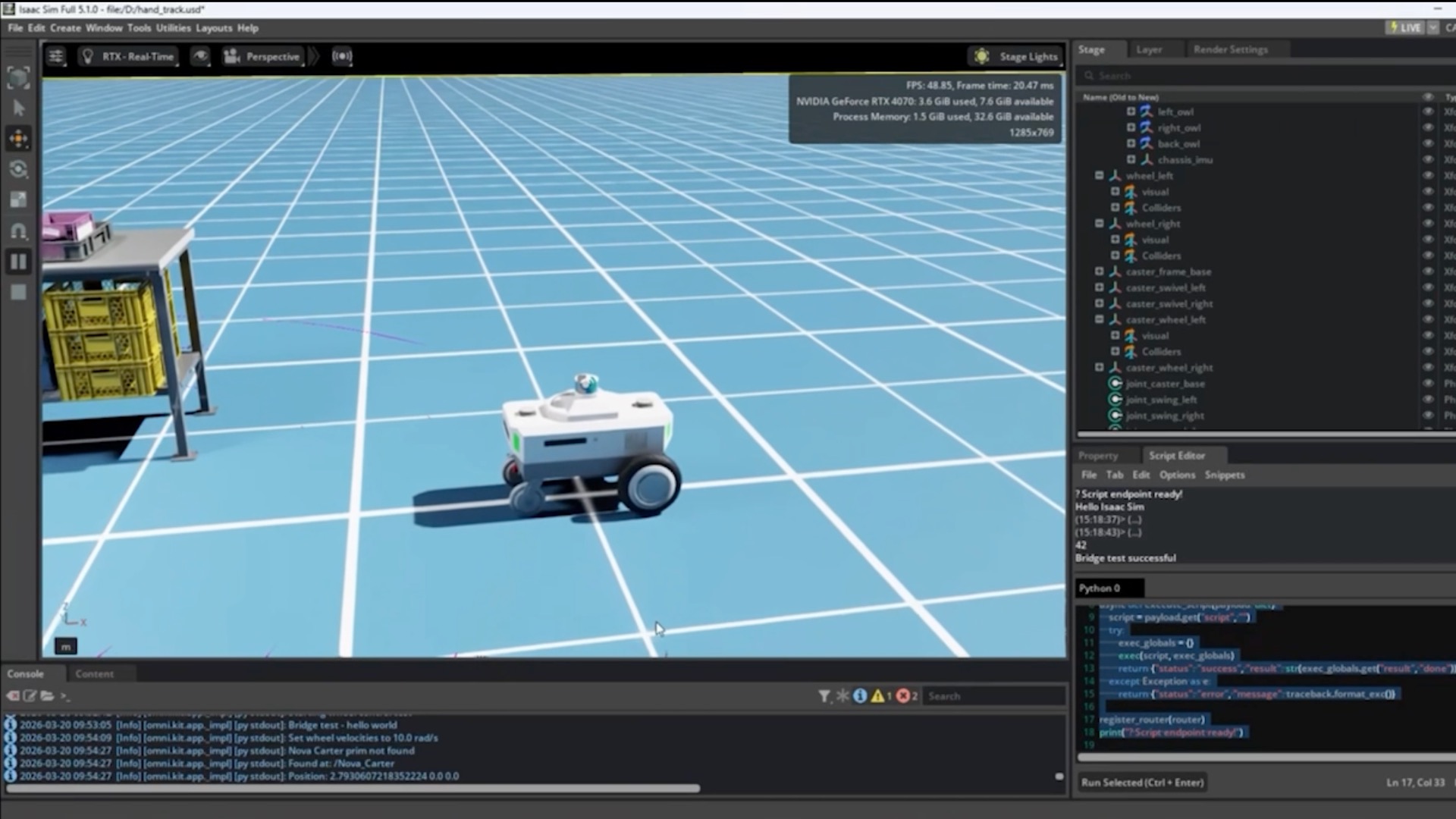
NVIDIA's unveiling of new physical AI agent skills at CVPR is far more than a software update; it is a strategic maneuver to establish its ecosystem as the indispensable operating system for embodied AI. By providing a full-stack workflow from simulation to policy training, NVIDIA aims to lock in the nascent robotics and autonomous vehicle markets, extending its data center dominance to the physical world. This move directly counters the industry narrative that AI progress is solely defined by bigger digital models, shifting the competitive battleground to the complex, capital-intensive domain of real-world interaction and creating a new moat around its hardware. The new tools fundamentally alter the build-versus-buy calculation for companies developing autonomous systems. Startups and automotive players gain access to sophisticated simulation environments that dramatically de-risk and accelerate R&D, a capability previously reserved for giants like Waymo or Cruise. This exposes the vulnerability of firms offering piecemeal robotics software solutions, who now must compete with an integrated, heavily subsidized platform. NVIDIA is creating an asymmetric advantage, where its GPU sales fuel the R&D of the very software ecosystem that makes its hardware essential, creating a powerful flywheel effect that rivals will struggle to replicate. This trajectory suggests a future where NVIDIA’s stack becomes the de facto standard for physical AI, akin to CUDA’s role in deep learning. Within 12-18 months, expect a significant portion of robotics startups and research grants to standardize on this platform. The real test will be whether established players like Tesla or Boston Dynamics, with their heavily-invested proprietary stacks, adopt any components or are forced to accelerate their in-house efforts. The critical long-term variable is not just adoption, but the degree of ecosystem lock-in, which will determine if NVIDIA successfully builds a durable, defensible OS for the age of robotics.