RTX Spark: NVIDIA’s GPU Puts AI at PC’s Core, Challenges CPU Era
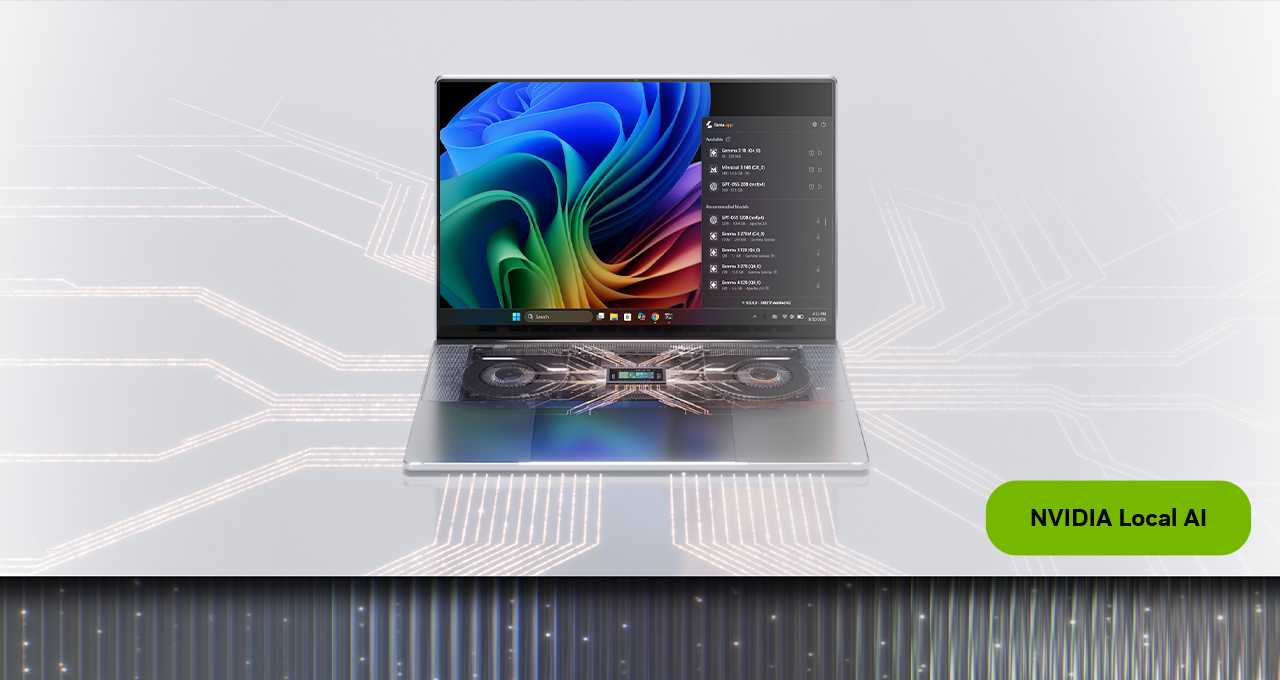
NVIDIA’s introduction of the RTX Spark superchip represents a direct challenge to the CPU’s 50-year reign over personal computing, aiming to recenter the PC ecosystem around its GPU-native architecture. By integrating 128GB of unified memory and a petaflop of AI compute, NVIDIA is creating a new class of PC that treats AI and graphics not as accelerated tasks, but as the primary workload. This strategic move leverages the market’s pivot towards on-device AI, attempting to make traditional CPU-bound architectures from Intel and AMD look underpowered and legacy in comparison to the demands of modern generative AI applications. The immediate winners are developers in the NVIDIA ecosystem, who can now build applications that were previously confined to the cloud, creating a powerful new competitive moat for RTX hardware. This fundamentally alters the developer calculus, making CPU-centric optimization a secondary concern. The losers are CPU manufacturers, particularly Intel, whose entire x86-based value proposition is threatened. Apple’s M-series success with unified memory provided the blueprint, but NVIDIA’s petaflop-scale offering supercharges it, forcing a strategic recalculation for every OEM from Dell to HP, who must now choose their foundational architecture for the next decade. The critical variable is no longer clock speed, but "AI-ops per watt," a metric NVIDIA now dominates. This trajectory suggests a bifurcation of the PC market: high-performance AI PCs running on GPU-native stacks and lower-tier legacy systems. The real test will be developer adoption over the next 18 months; watch for major software vendors like Adobe and Autodesk to release "RTX-native" versions of their flagship products, signaling a permanent ecosystem shift. This move makes the PC an edge device in NVIDIA’s cloud-to-edge AI empire.