NVIDIA Extends AI Dominance With Data Center Fabric Play
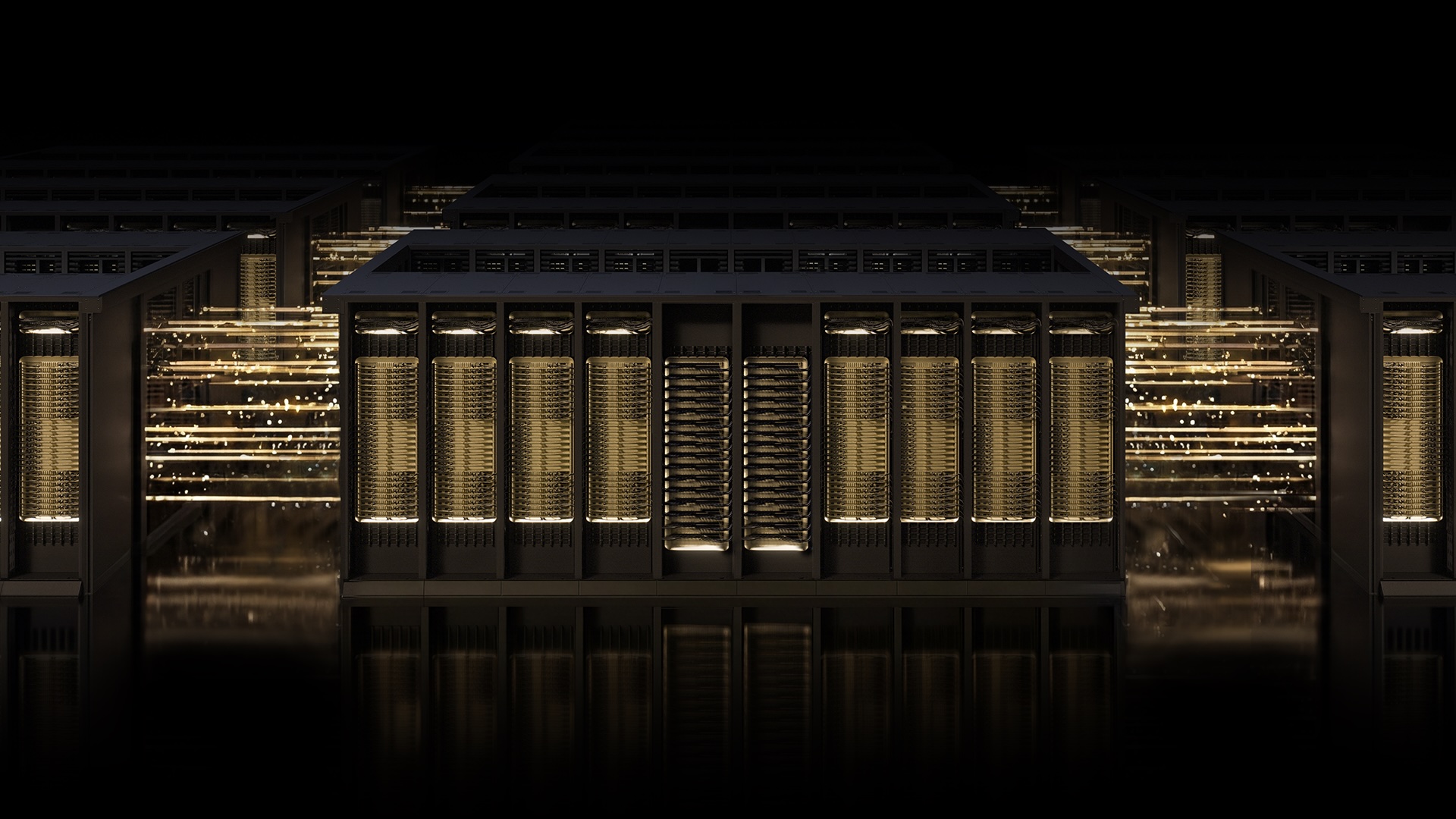
NVIDIA's introduction of the Spectrum-6 networking platform marks a pivotal escalation in the AI infrastructure wars, extending its battlefield from GPUs to the data center fabric itself. This is not a mere hardware upgrade; it is a strategic move to define and dominate the end-to-end architecture of "gigascale" AI factories. By offering a tightly integrated networking solution optimized for its own compute, NVIDIA challenges the existing multi-vendor, best-of-breed approach favored by hyperscalers and networking specialists. This mirrors Intel's historic x86 ecosystem lock-in strategy, but applied to the entire AI data center, pressuring rivals in the nascent Ultra Ethernet Consortium to accelerate their open-standard alternatives. This integrated stack fundamentally alters the operational economics of large-scale AI training by treating networking as a direct extension of computing, minimizing costly GPU idle time. The primary winners are NVIDIA, which creates a powerful new bundling and lock-in opportunity, and AI-native companies who can leverage this pre-optimized architecture for faster model development. The losers are traditional networking vendors like Arista and Broadcom, whose general-purpose hardware is now implicitly framed as a performance-limiting legacy. Cloud providers like AWS and Google face a strategic recalculation: adopt NVIDIA's full stack, ceding architectural control, or double down on the expensive development of proprietary interconnects. The trajectory this sets is a bifurcation of the AI infrastructure market over the next 12-24 months into two camps: fully integrated NVIDIA-native AI factories and coalitions rallying around open standards. The forward-looking indicator will be the performance benchmarks published by the Ultra Ethernet Consortium; if they cannot demonstrate near-parity with Spectrum-6 on real-world AI workloads by mid-2025, NVIDIA will have effectively captured the architectural standard for AI's next generation. The real test is not merely throughput, but whether an open ecosystem can match the holistic performance gains of NVIDIA's meticulously integrated, top-to-bottom proprietary solution.