NVIDIA Integrates AI Directly into City Infrastructure, Expands Beyond Cloud
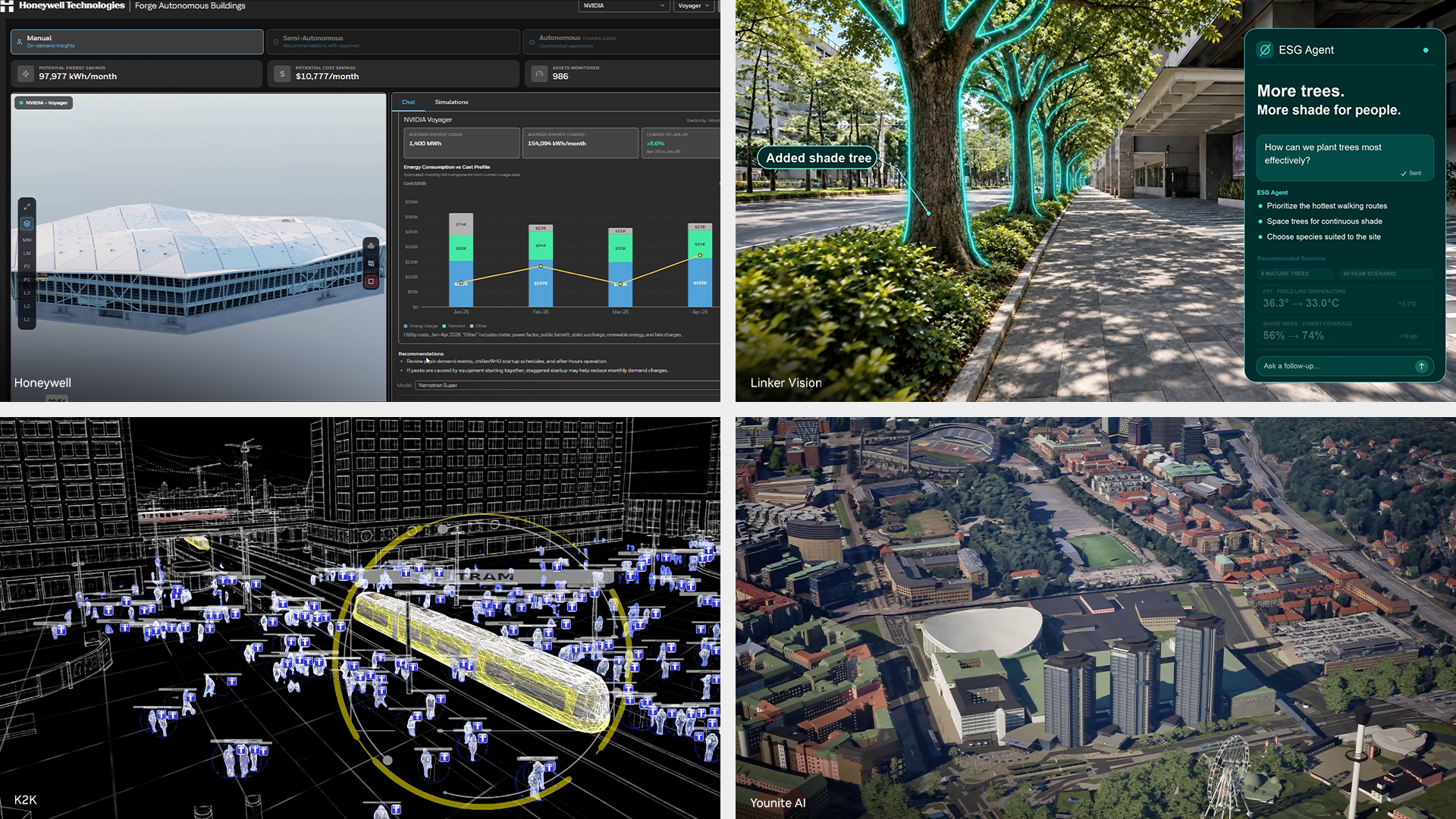
NVIDIA is consolidating its role as the foundational layer for next-generation governance, moving beyond data centers to embed accelerated computing directly into urban infrastructure. This deployment of "physical AI agents" and digital twins in European cities signifies a critical market expansion, positioning its hardware as the default for high-stakes civic operations like energy management and predictive maintenance. This strategic push normalizes its CUDA ecosystem for public sector applications, creating a powerful flywheel effect that mirrors the entrenchment of operating systems like Microsoft Windows in 1990s enterprise IT. The immediate winners are systems integrators and specialized software partners within the NVIDIA ecosystem, who gain a significant first-mover advantage in the nascent smart city market. These firms can now offer turnkey, AI-powered infrastructure management solutions, effectively locking in municipalities to NVIDIA's hardware stack. The primary losers are cloud-first providers like AWS and Google Cloud, whose generalized public sector offerings are outmaneuvered by NVIDIA’s specialized, on-premises edge computing approach. This forces a strategic recalculation for cloud giants, who risk being relegated to handling less critical, back-office data storage while NVIDIA powers real-time civic functions. The long-term trajectory suggests a future where urban operational technology (OT) and information technology (IT) converge on NVIDIA's platform, creating unprecedented efficiency but also significant vendor lock-in. The critical variable will be the emergence of open standards for urban digital twins; their adoption could either challenge NVIDIA's dominance or be co-opted to further solidify it. Watch for how rival silicon vendors like Intel and AMD respond—not just with competing hardware, but with their own ecosystem-building initiatives targeting the public sector within the next 18-24 months. This is a battle for the operating system of the city itself.