NVIDIA's Vera CPU Advances Internal Chip Design, Boosts AI Accelerator Output
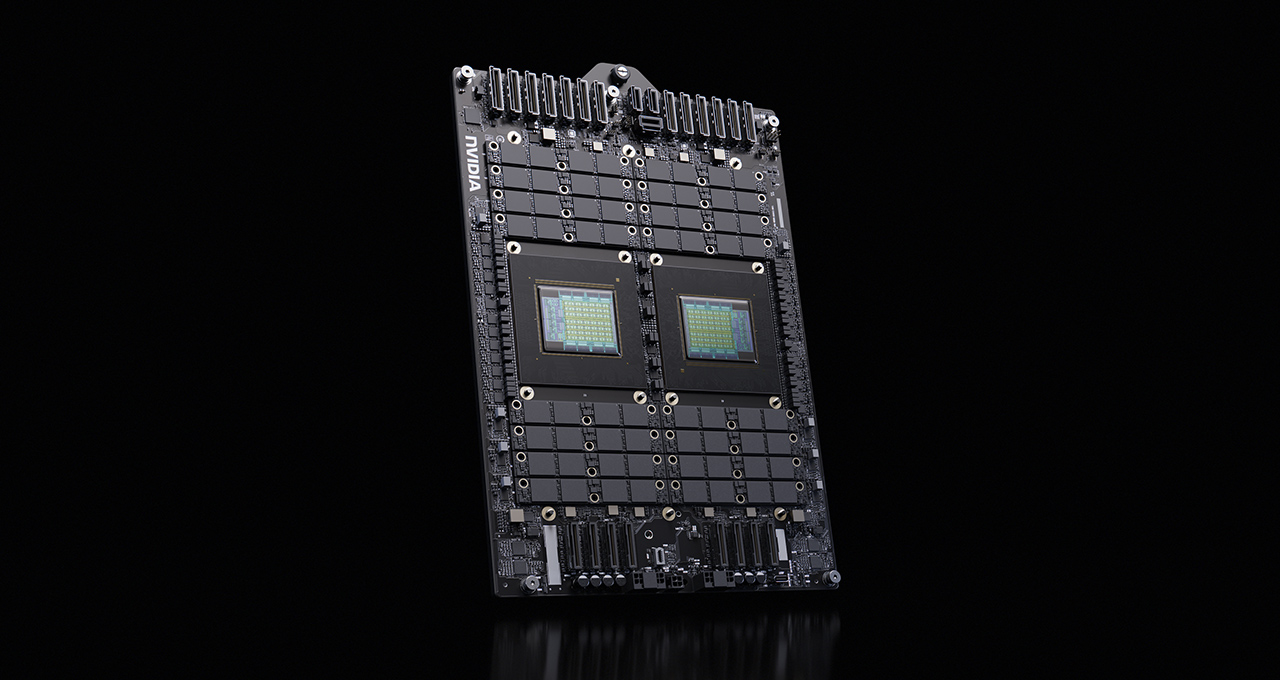
NVIDIA is deploying its own Vera CPU, in collaboration with EDA leaders Cadence and Synopsys, to accelerate its internal chip design workflows. This move represents a significant strategic shift toward vertical integration, aiming to shorten the design-to-production cycle for its next-generation GPUs and AI accelerators. While hyperscalers building custom silicon is common, NVIDIA is uniquely turning the very tools of chip creation into a competitive advantage. This fundamentally challenges the industry’s reliance on general-purpose x86 servers from Intel and AMD for the most intensive design and verification tasks, creating a self-reinforcing performance loop. The mechanism grants an asymmetric advantage by deeply optimizing the entire software and hardware stack for a single purpose: faster electronic design automation (EDA). By tailoring Cadence and Synopsys applications to the Vera architecture, NVIDIA can achieve simulation and verification speeds that are unattainable on standard off-the-shelf hardware. The primary winner is NVIDIA, which can now iterate on complex designs faster, potentially accelerating its product roadmap. The immediate losers are Intel and AMD, who risk losing a highly lucrative, high-margin workload—powering the design fabs of their biggest competitor—to an in-house solution. This trajectory suggests NVIDIA is testing a playbook that could extend far beyond internal use. Within 12-24 months, NVIDIA could productize this stack, offering “EDA-as-a-Service” on a Vera-powered cloud, creating a new, high-margin business vertical. This would force a strategic recalculation for other fabless companies currently reliant on x86 infrastructure. The critical variable is whether the performance gains for NVIDIA’s core products (GPUs, AI chips) appear on an accelerated timeline compared to AMD’s roadmap. This move firmly establishes infrastructure control as a new front in the semiconductor wars.