Obama's Push Forges AI Governance Into Election Debate
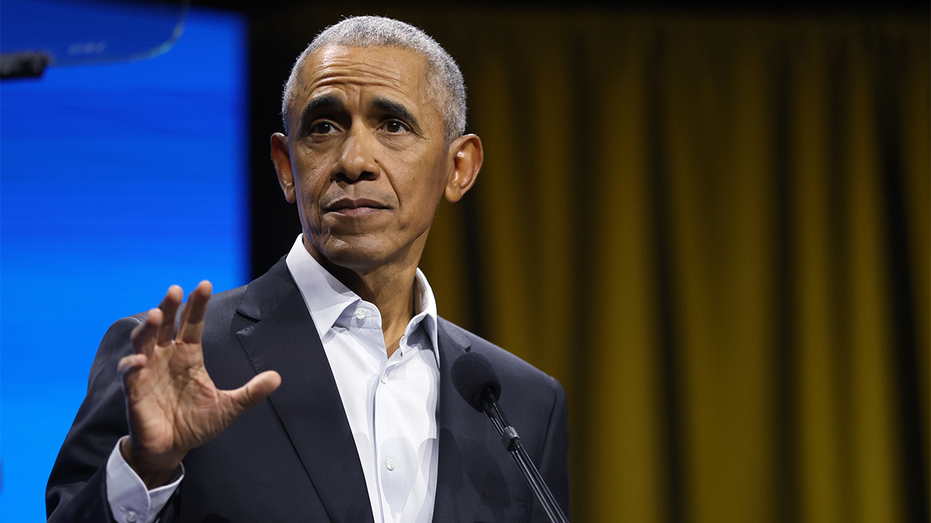
Former President Barack Obama’s private urging of Democratic leadership, including Hakeem Jeffries, to prioritize AI governance firmly injects the issue into the 2024 election cycle’s strategic calculus. This move elevates the AI safety and regulation debate from a niche tech policy concern to a central political battleground, aligning with the Biden administration’s October 2023 executive order on AI. It frames the technology not merely as an economic opportunity but as a potential systemic risk, forcing a national conversation that Big Tech can no longer dominate behind the scenes and raising the stakes for its lobbying efforts. This high-level intervention fundamentally alters the regulatory landscape by creating a new political imperative for Democrats to champion AI oversight. The primary losers are tech giants like Meta and Google, who favor lighter, innovation-friendly frameworks and now face a more organized, politically-charged opposition. Winners include pro-regulatory academics and safety-focused AI labs like Anthropic, whose calls for caution gain significant political validation. This pressure forces a strategic recalculation for tech lobbyists, who must now counter a narrative championed by a highly influential former president, a far more challenging task than debating policy minutiae with agencies. The critical variable now is whether this political momentum translates into concrete legislative action before the 2024 election. For the next six months, expect a flurry of proposed bills and public hearings designed to showcase a proactive stance. The real test will be if any bipartisan consensus emerges, particularly around national security implications. This trajectory suggests that AI regulation will become a permanent fixture of party platforms, moving beyond abstract warnings to specific policy tests on issues like algorithmic bias, workforce displacement, and autonomous weapons systems, creating a new dimension of political and corporate risk.