OpenAI Espionage Accusation Exposes AI’s New Geopolitical Vulnerabilities
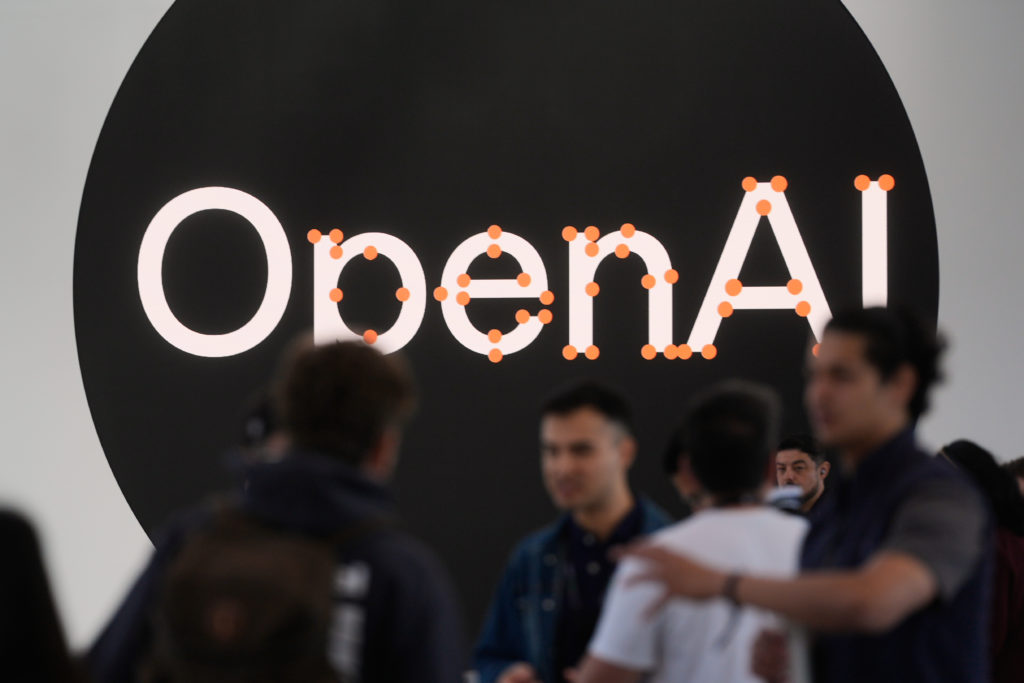
The arrest of a former OpenAI employee, a Saudi national accused of industrial espionage, marks a critical escalation in the geopolitical battle for AI supremacy. This incident transcends mere corporate data theft, reframing the security of leading AI labs like OpenAI, Anthropic, and Google DeepMind as a matter of national security. As state actors allegedly shift from targeting government servers to the epicenters of AI innovation, the very concentration of talent and resources that propelled the AI boom now creates a concentrated point of failure, forcing a strategic security rethink across the entire sector.
The alleged plot highlights the acute vulnerability of AI labs to insider threats, moving beyond traditional cybersecurity concerns. For OpenAI and its peers, the incident forces a difficult recalculation: balancing the need for global talent and academic openness against the rising risk of state-sponsored infiltration. The "winners" are nation-states successfully exfiltrating proprietary model weights or training data, gaining asymmetric leverage. The "losers" are the AI labs themselves, now burdened with higher operational costs for counterintelligence and the potential loss of invaluable intellectual property that underpins their multi-billion-dollar valuations.
The strategic imperative now shifts from perimeter defense to internal counterintelligence, fundamentally altering talent acquisition and management for all major AI players. Within 12 months, expect leading labs to implement stringent, ongoing security screenings previously reserved for state intelligence agencies. The real test will be whether this necessary security hardening stifles the collaborative research culture that has driven AI’s rapid progress. This incident serves as a final warning: the era of treating AI labs as purely academic or commercial entities is definitively over.