OpenAI Insider Incident Signals Broader AI Geopolitical Risks
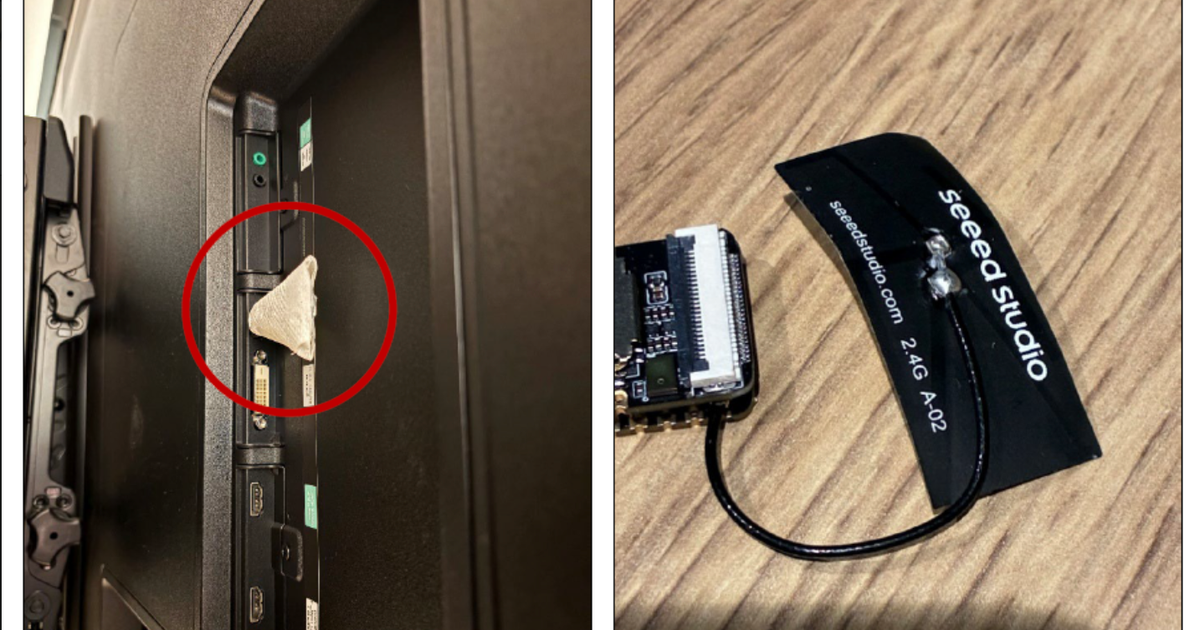
An alleged act of corporate espionage at OpenAI, involving an engineer accused of planting a recording device, transcends a simple security breach. It crystallizes the immense geopolitical stakes now fused to frontier AI development. As leading labs like OpenAI become de facto nodes of national strategic importance, their internal security vulnerabilities are now global security risks. This incident moves the threat model from external cyberattacks to sophisticated insider threats, reflecting the astronomical economic and military value embedded within these companies' intellectual property, particularly their model weights and research roadmaps, placing it on par with state-level defense secrets. The immediate fallout creates a significant operational and reputational cost for OpenAI, forcing a radical tightening of internal security protocols that could slow its notoriously fast-paced research culture. For stakeholders like Microsoft, this incident injects a new risk variable into its multi-billion dollar dependency on the lab. Winners include more security-hardened, state-affiliated AI labs and defense contractors who can now pitch their expensive counter-espionage solutions. Losers are academic and open-source collaborators, who will face higher barriers and suspicion, potentially chilling the very ecosystem that fueled AI's recent breakthroughs and creating a drag on innovation. Looking forward, this event will accelerate the "securitization" of AI labs, transforming them into fortified digital and physical environments resembling national security agencies. Within 12 months, expect all major AI labs to announce C-suite level physical and operational security hires, likely from intelligence backgrounds. The critical variable will be whether this security lockdown stifles the serendipitous and collaborative culture essential for true research breakthroughs. This trajectory suggests a future where only the most heavily capitalized and state-aligned entities can compete, fundamentally altering the innovation landscape.