OpenAI Sidelines Siri, Turning iMessage Into an AI Battleground
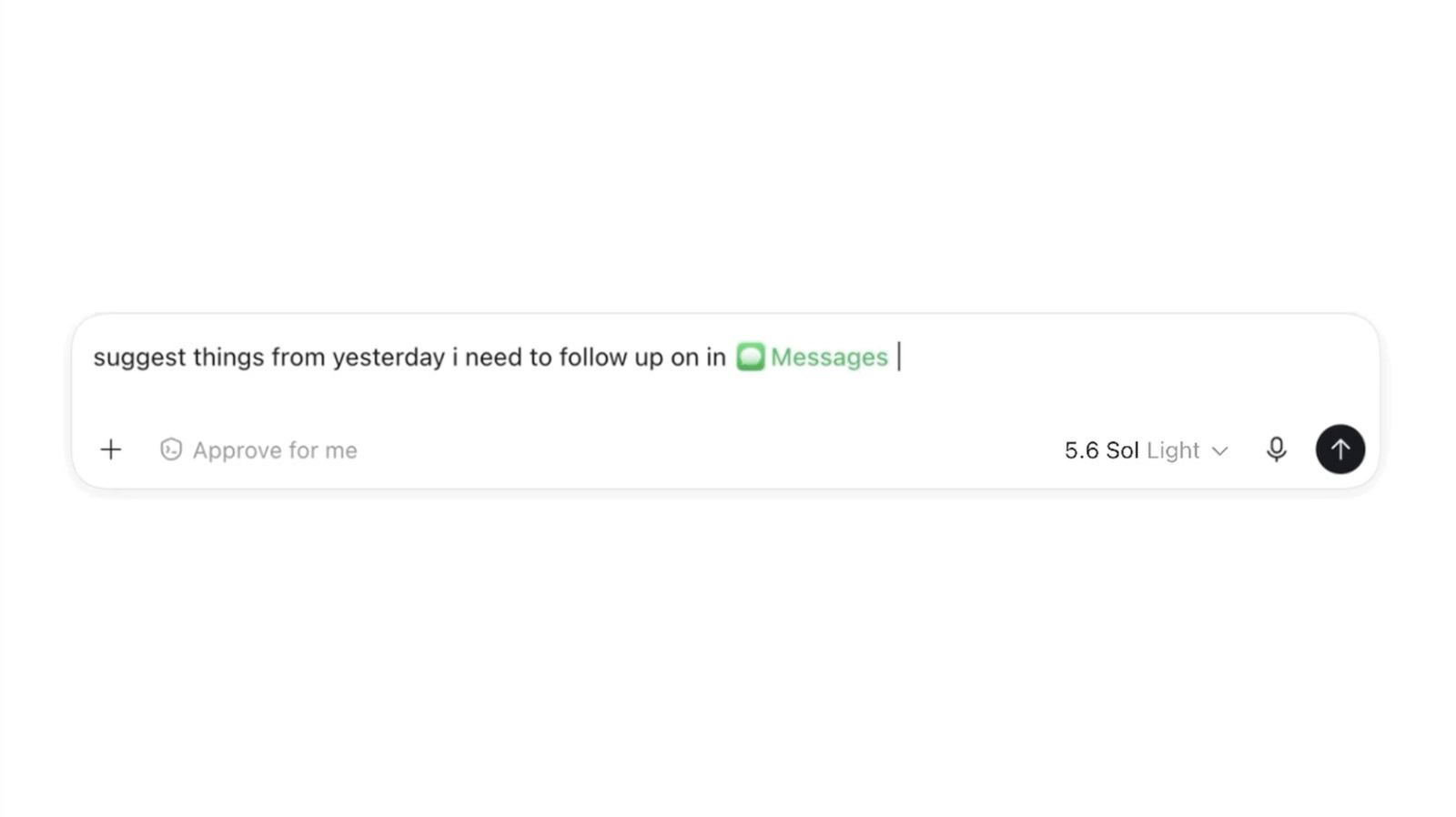
OpenAI's new plugin enabling ChatGPT to control Apple's Messages app is a direct infiltration of a core native function, escalating the platform wars into personal communications. This move pressures Apple ahead of its own anticipated AI announcements at WWDC and establishes a significant precedent for third-party AI agents operating within tightly controlled OS environments. It mirrors the strategy Google employed with its services on iOS, embedding itself so deeply that it becomes a default user choice, thereby challenging the platform owner's ecosystem dominance and capturing valuable user interaction data right from the source. This integration fundamentally alters the user experience by allowing ChatGPT to not only read but also send iMessages on a user's behalf, effectively sidelining Siri as the primary AI assistant for communication. The immediate winner is OpenAI, gaining access to a sticky, high-engagement environment previously locked down. The clear loser is Apple, whose primary AI interface, Siri, now appears less capable within its own native messaging app. This forces a strategic recalculation for Apple, which must now demonstrate superior on-device AI integration that goes far beyond what a plugin architecture can offer, or risk ceding the next generation of user interface to rivals. The critical variable now is Apple's response and the developer ecosystem's reaction. In the next three months, watch for Apple to potentially restrict this level of OS control, citing security concerns, while simultaneously fast-tracking its own large language model integrations for iMessage revealed at WWDC. Over the next 12-18 months, this will likely force a broader "agent App Store" model, where users choose their preferred AI to manage tasks across different applications. This trajectory suggests the era of monolithic, OS-bound assistants is ending, replaced by a competitive marketplace of specialized AI agents vying for user delegation.