OpenAI's 5% Stake Plan Shapes AI Governance Debate
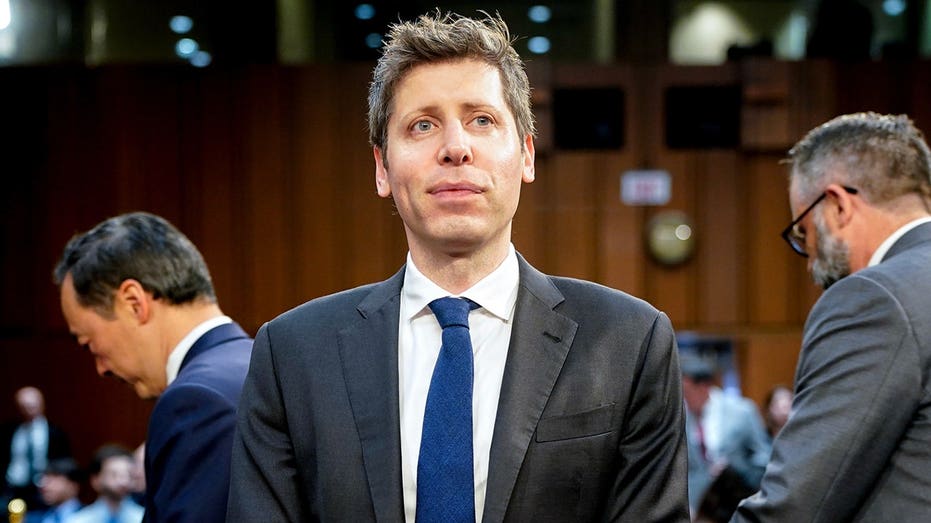
Sam Altman’s proposal to grant a 5% public stake in OpenAI, contingent on rivals like Anthropic and Meta doing the same, is a masterstroke of regulatory preemption. By framing the debate around public benefit and consortial sacrifice, Altman positions OpenAI as a responsible steward while forcing competitors into a difficult public relations posture. This move cleverly shifts the AI governance narrative from abstract safety principles to concrete economic participation, effectively setting the terms of engagement for Washington D.C. ahead of potential landmark legislation. It’s a direct response to growing calls for windfall taxes or stricter controls on foundation models, offering a market-friendly alternative that preserves corporate autonomy. This proposal creates a strategic dilemma that fundamentally alters the competitive landscape. If Anthropic and Meta refuse, they risk being painted as uncooperative and purely profit-driven, handing OpenAI a significant lobbying advantage. If they accept, they dilute their equity based on a framework initiated by their primary rival. The real winner in the short term is OpenAI’s policy and public relations arm, which has seized control of the narrative. The potential 5% equity, valued at billions, serves as a powerful bargaining chip that makes more aggressive regulatory actions, like forced open-sourcing or utility-style regulation, seem less palatable to policymakers who now see a direct financial upside for the nation. The forward-looking implication is the potential creation of a new class of quasi-public AI "national assets." The critical variable is whether this is a one-time equity grant or a perpetual mechanism that scales with future valuation increases. In the next 6-12 months, watch for counter-proposals from Google and Meta, likely offering alternative public benefit structures without direct equity dilution. The real test will be whether this gambit successfully influences the drafting of AI legislation in 2025, cementing a favorable regulatory environment that privileges the incumbent leaders under the guise of national partnership.